Learning doesn’t stop with information — it grows from it. Once heroes have the facts, they’re invited to explore, question, and create. Across all studios this week, challenges sparked curiosity and turned knowledge into meaningful action and the important work of creating. From building columns to testing pulley systems, heroes put their learning to work in hands-on, imaginative ways.
In the Spark Studio
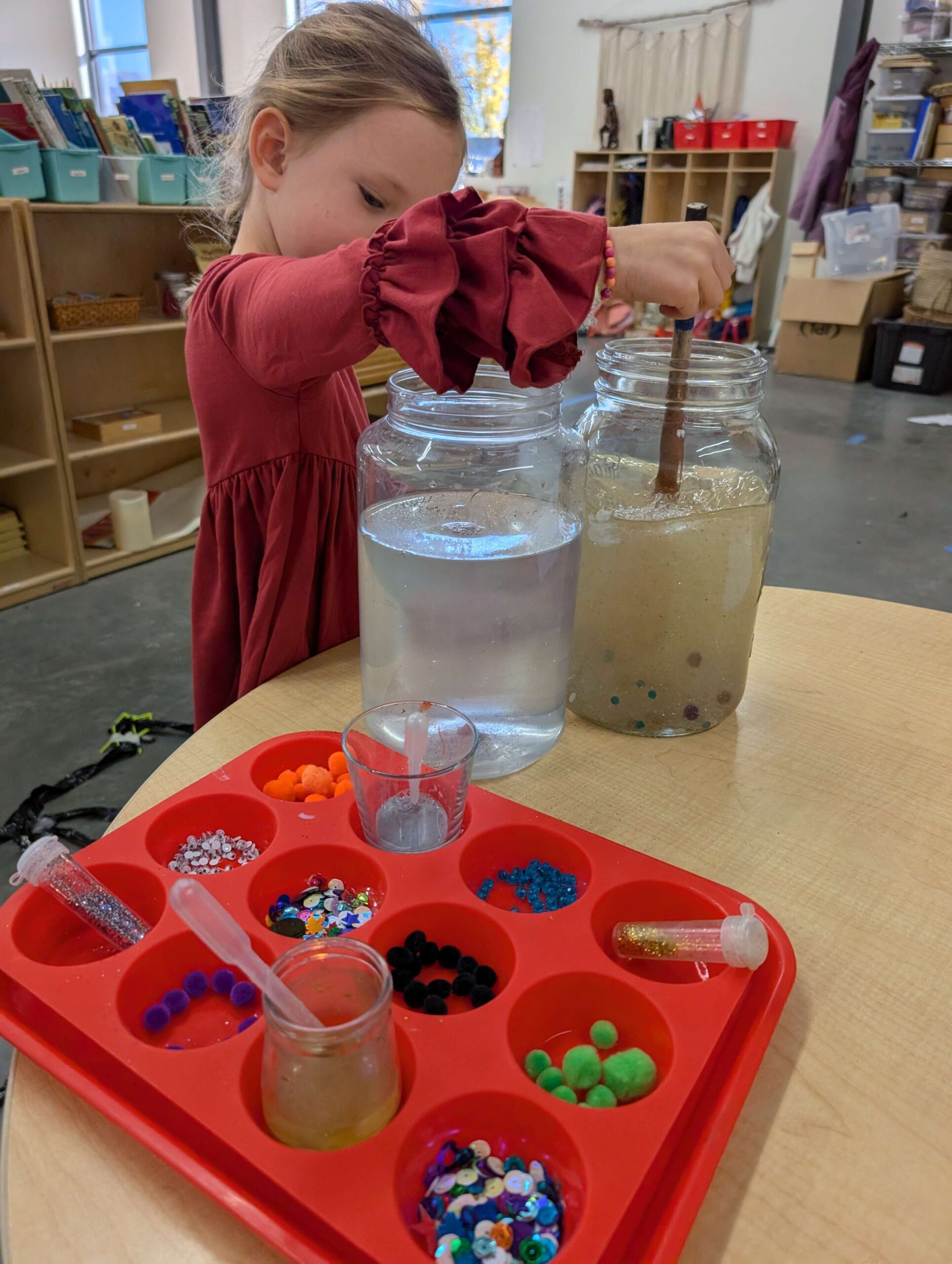
The Sparks began their week in Scotland, diving into the country’s creative storytelling elements such as the mysterious Loch Ness Monster and mischievous witches. Inspired by what they heard, heroes created their own “Spark potion,” adding ingredients each time they completed a CHOICE work cycle challenge. They were all thrilled to mix in special elements and then stir it up to make a “tomato”, as one hero called it. (tornado)
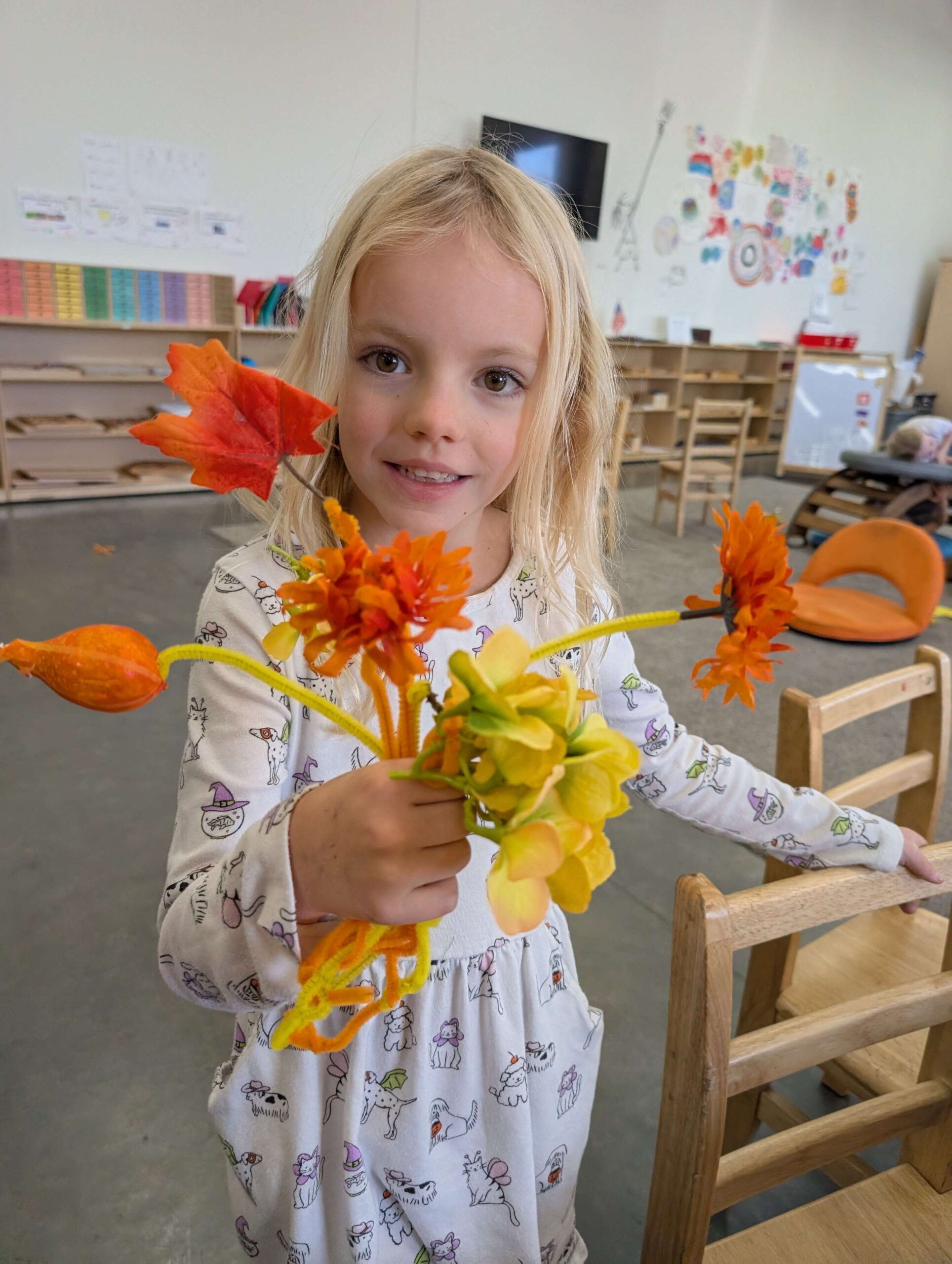
From there, the studio traveled to Sweden, where heroes discovered the bright and joyful traditions of the Midsommar festival and added “sunshine” to their creations that day.
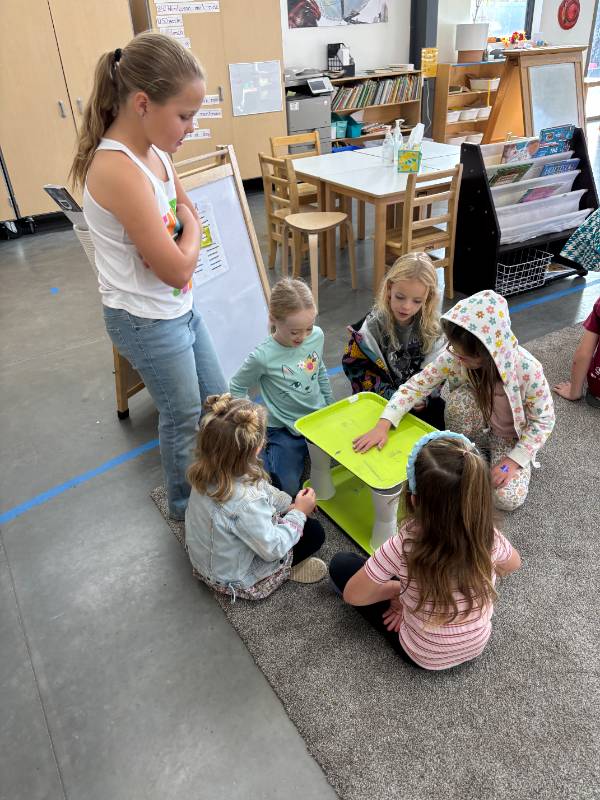
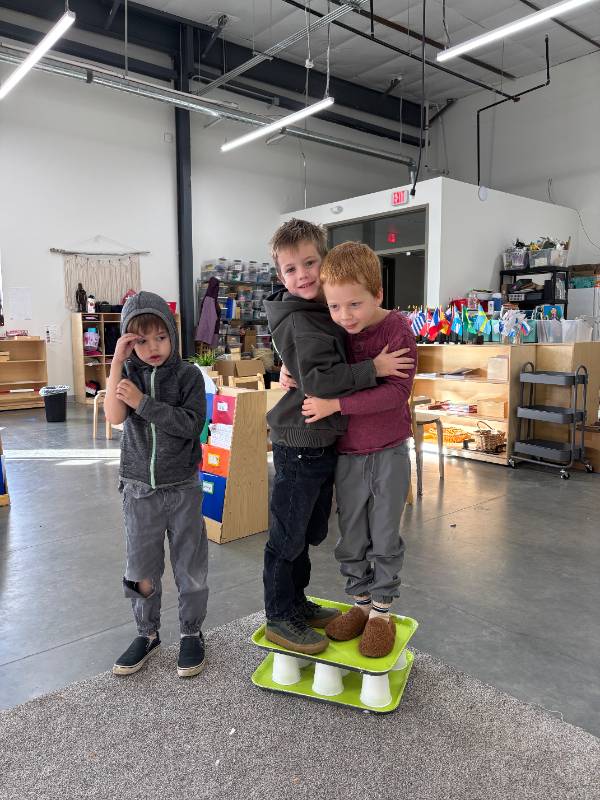
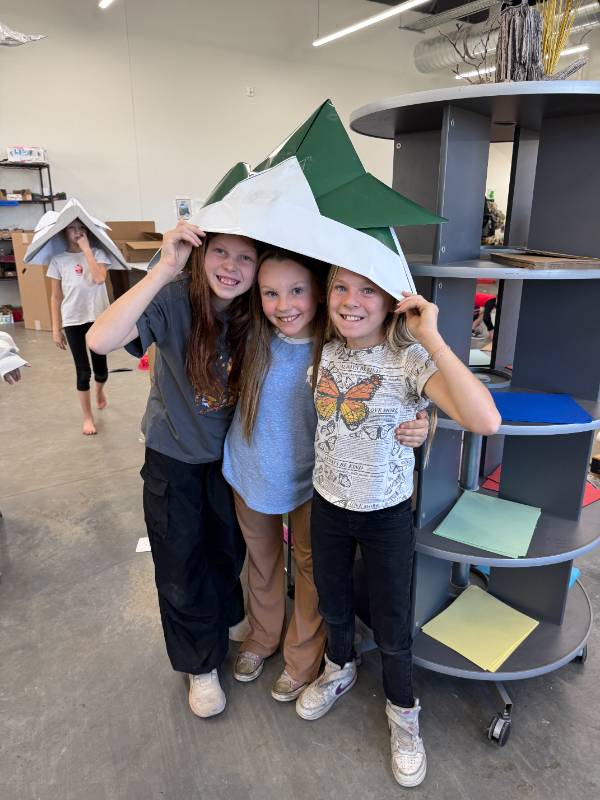
Next stop: Greece. Here, heroes explored ancient architecture and Greek mythology. Putting their learning into practice, they made a structure with columns (cups) that was strong enough to stand on. Each group designed something a little different. They had so much fun testing out their creations. After heroes heard a retelling of the Greek myth Theseus and the Minotaur, and were challenged to create their own myth.
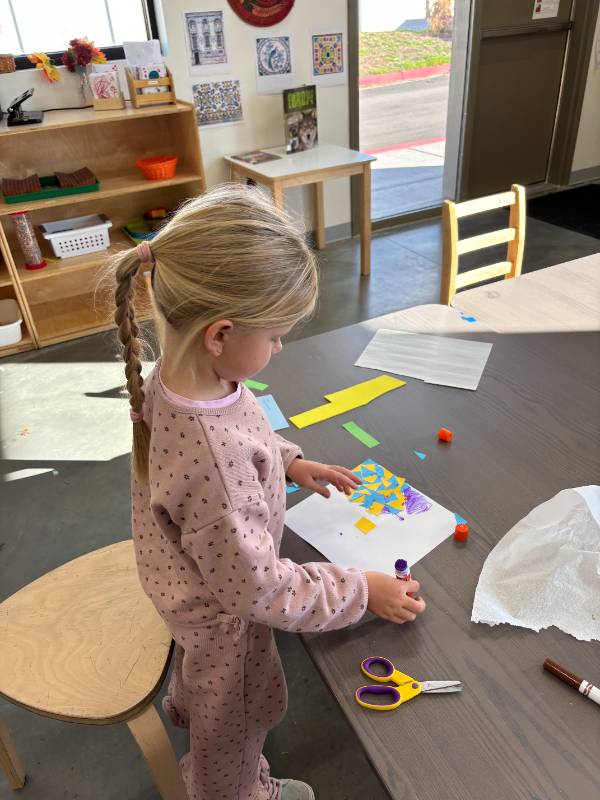
We ended our travels in Portugal, where they learned about azulejos — the famous blue and white tiles that decorate buildings throughout the country. After learning about them, heroes were challenged to make their own.
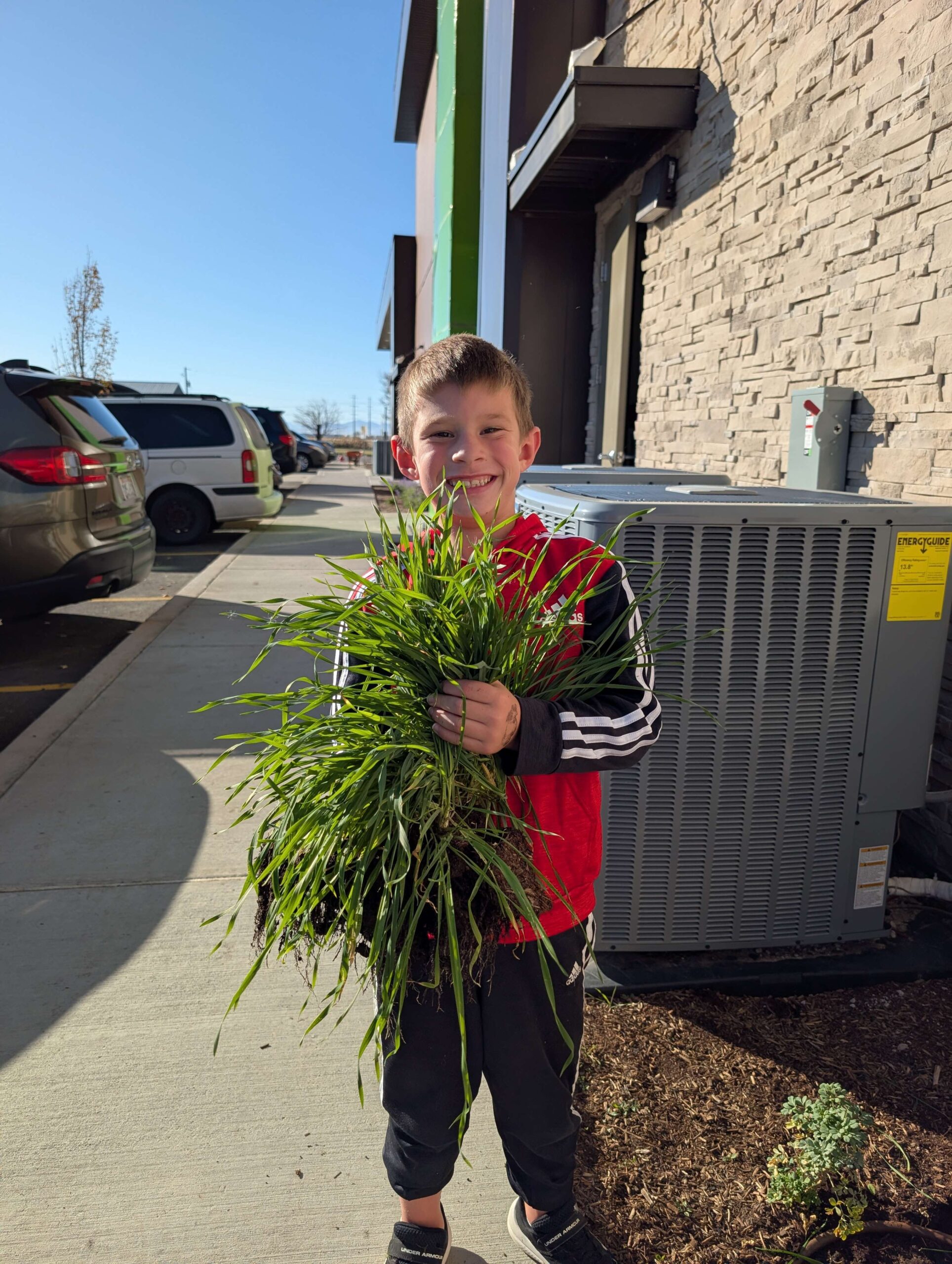
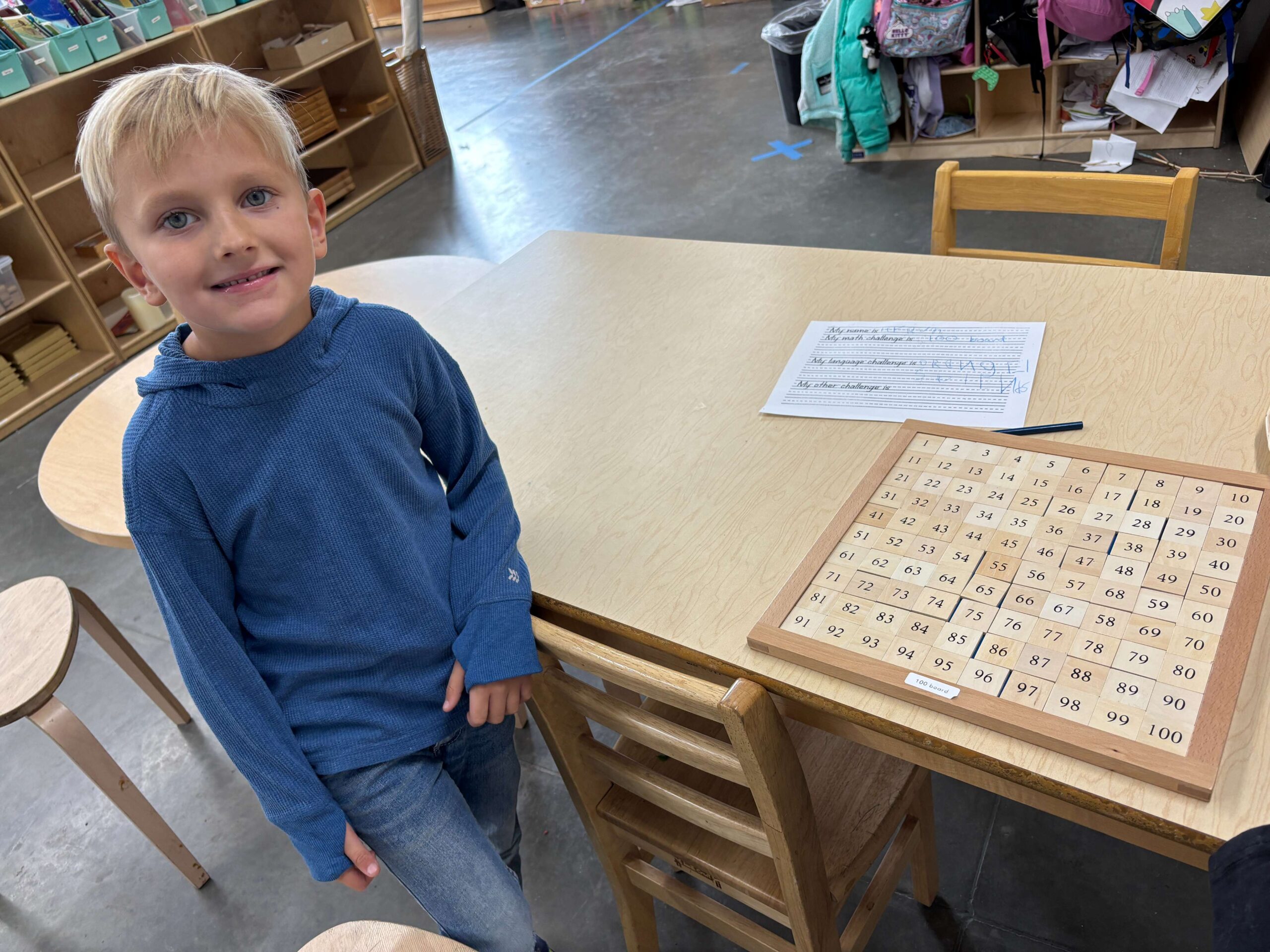
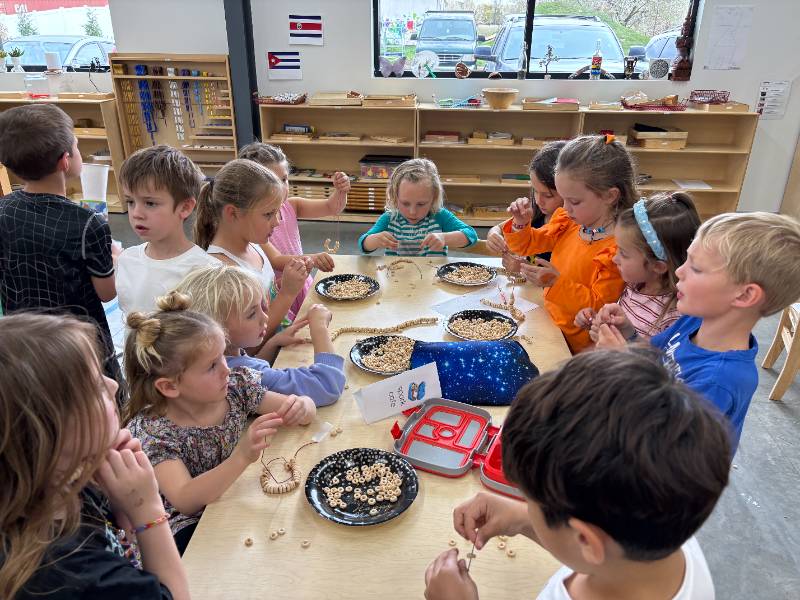
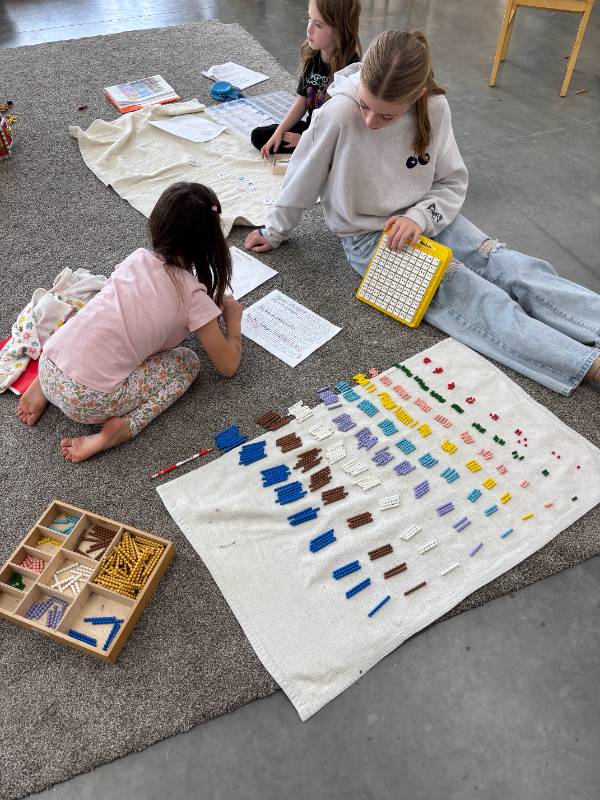
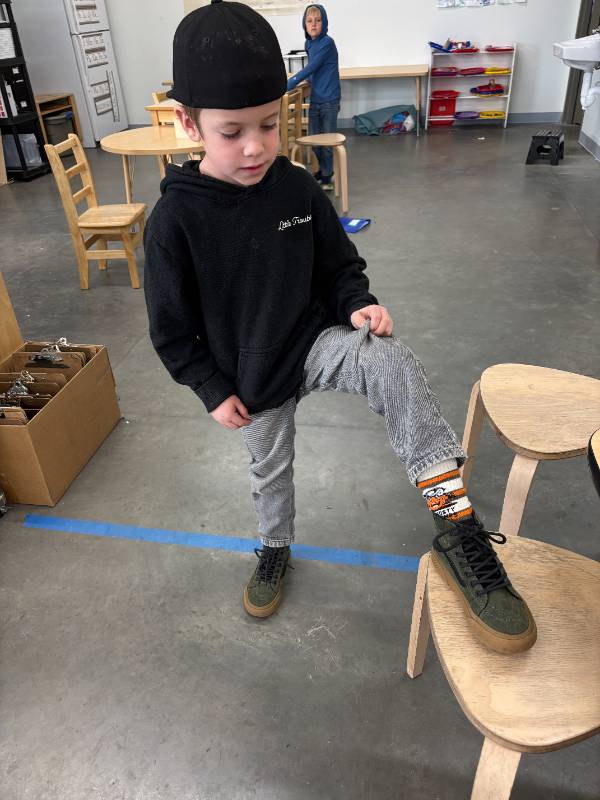
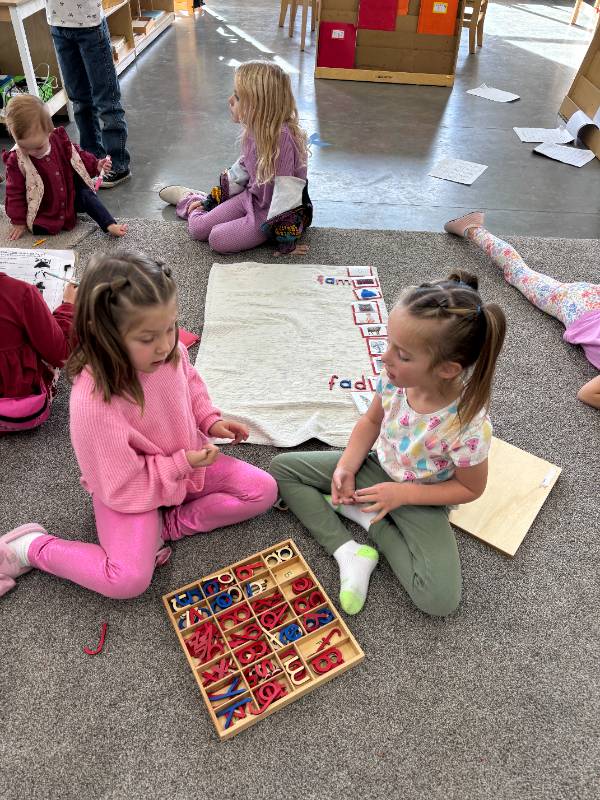
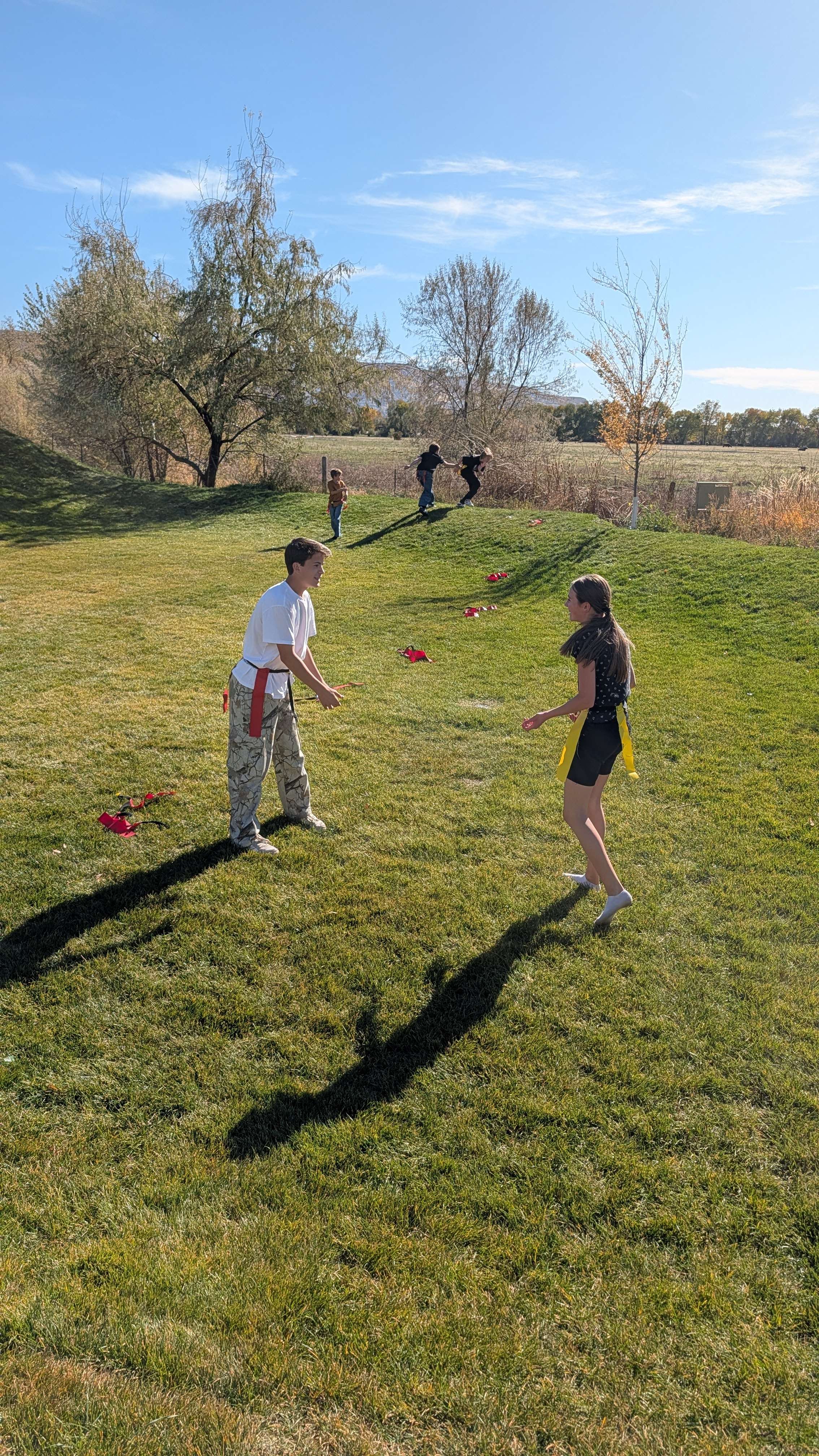
Throughout the week, individual victories stood out: a hero tying their shoes for the first time, another completing the 100 board, others pushing forward in reading, pride in their weeding (studio maintenance), practicing fine motor skills without recognizing it, and joyful outside play. Every challenge met and skill mastered showed curiosity in motion.
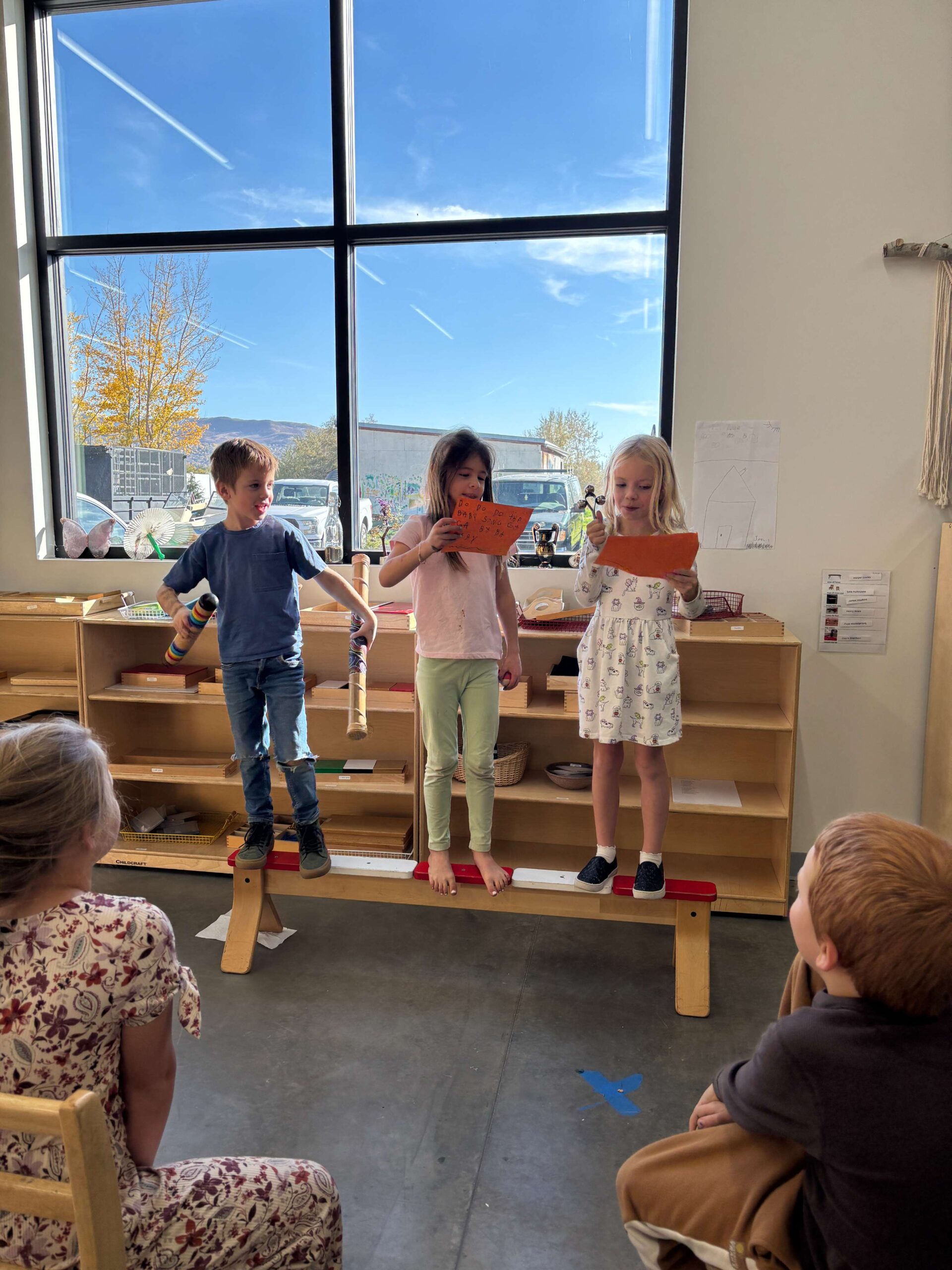
A moment of leadership also stood out this week. When the excitement of rubber duck prizes turned into an unexpected squeaky chorus, one hero called a meeting to help the group find a fair solution. Through discussion and teamwork, they agreed on a plan that worked for everyone — a small but powerful example of learning through real-world problem-solving.
In the Fire Studio
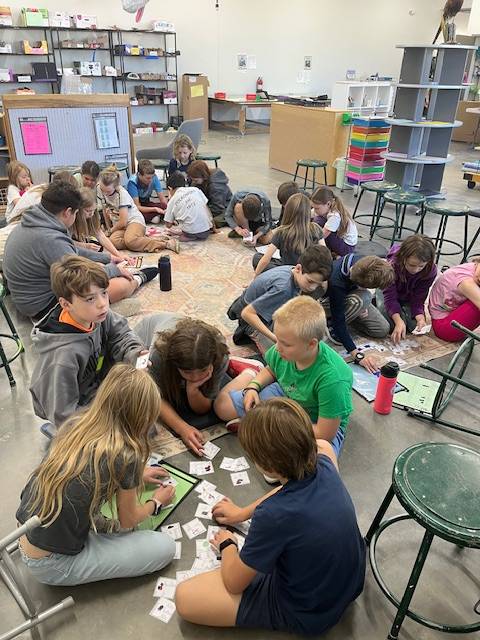
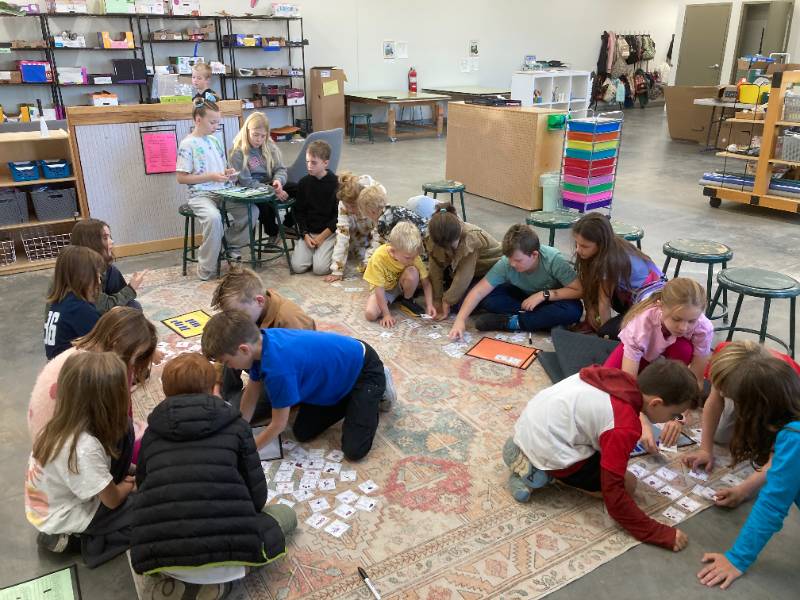
Each week Quest starts with learning a new concept. For example, this week started with learning about producers, consumers, food chains, and food webs. We used cards to make the biggest food chains and food webs and then played “Into the Forest.” A game similar to war but using the food chain hierarchy of the animals to determine who wins the round.
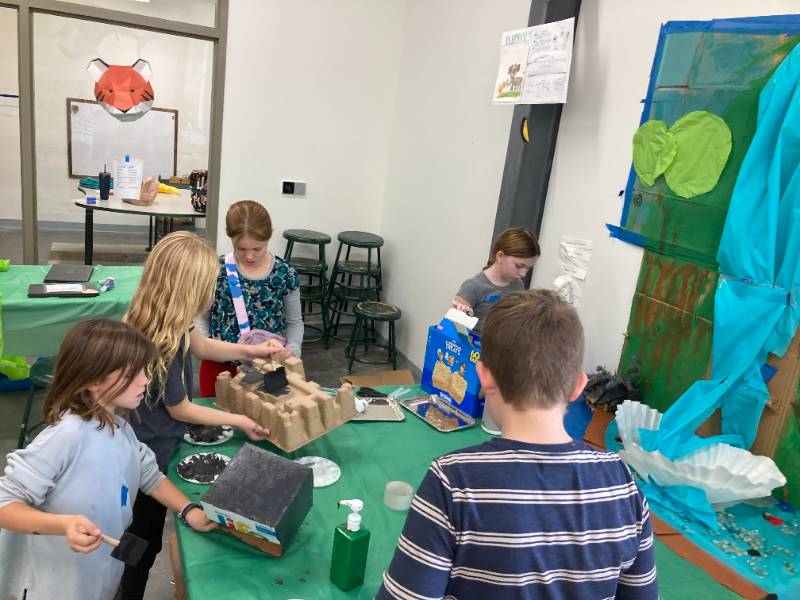
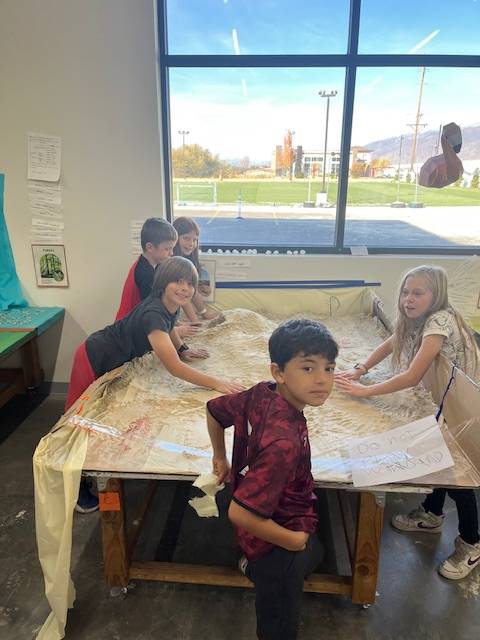
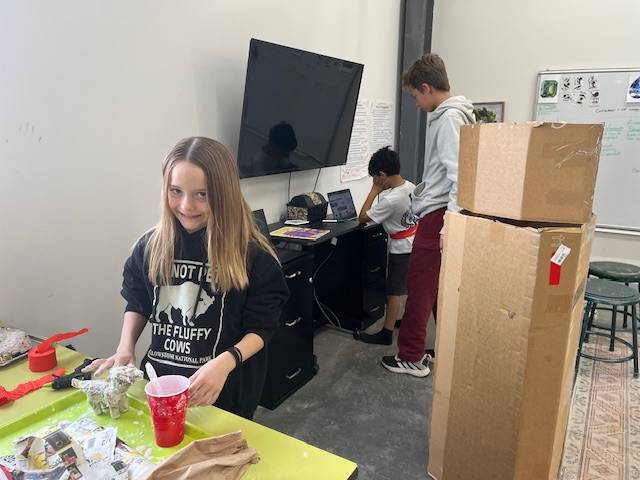
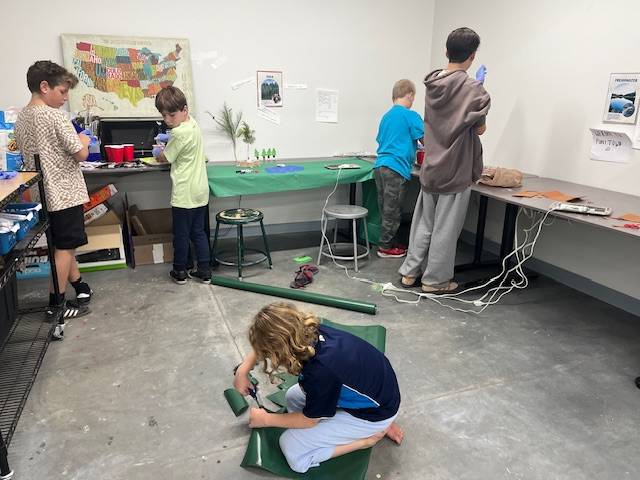
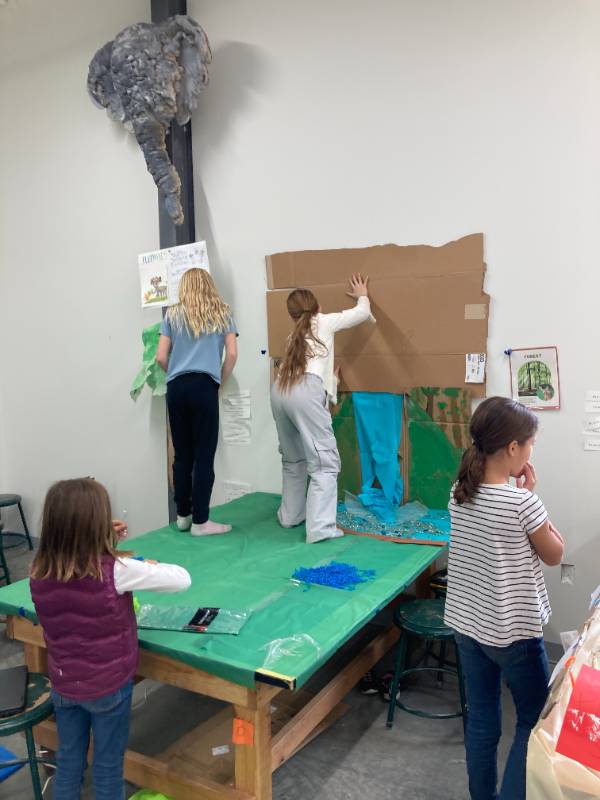
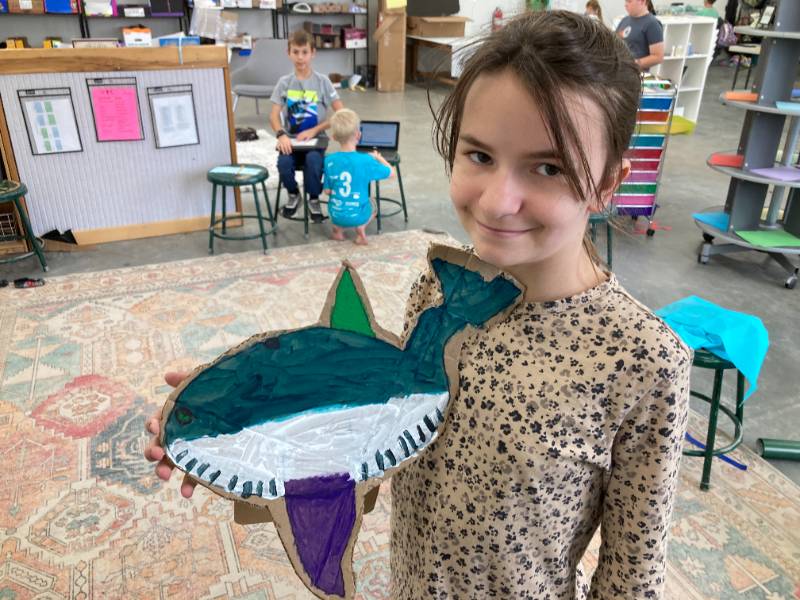
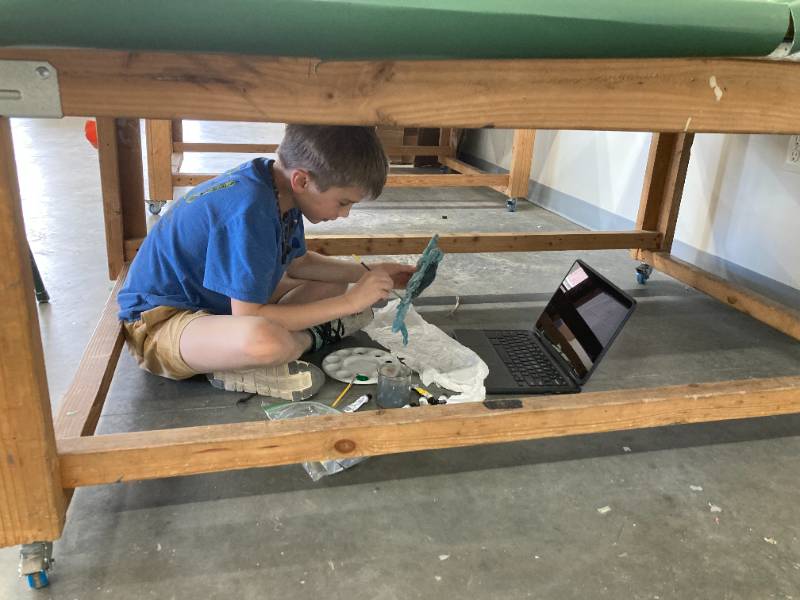
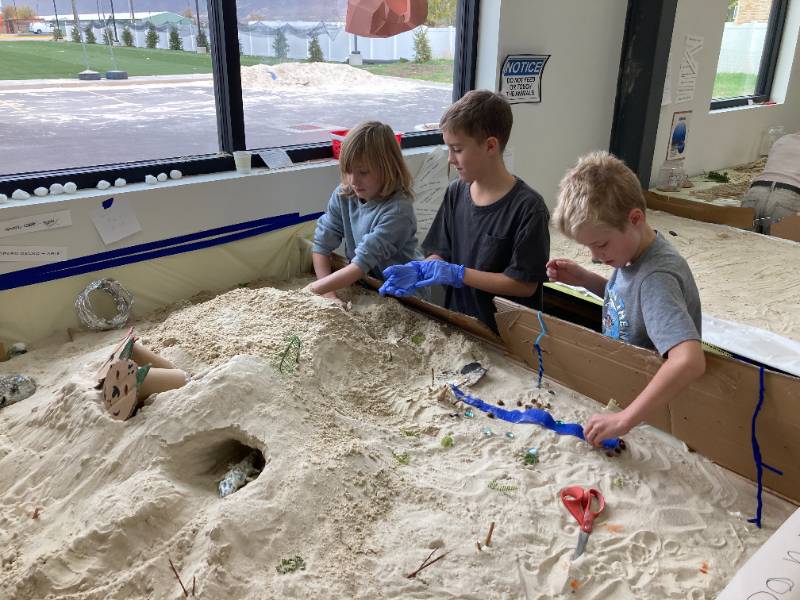
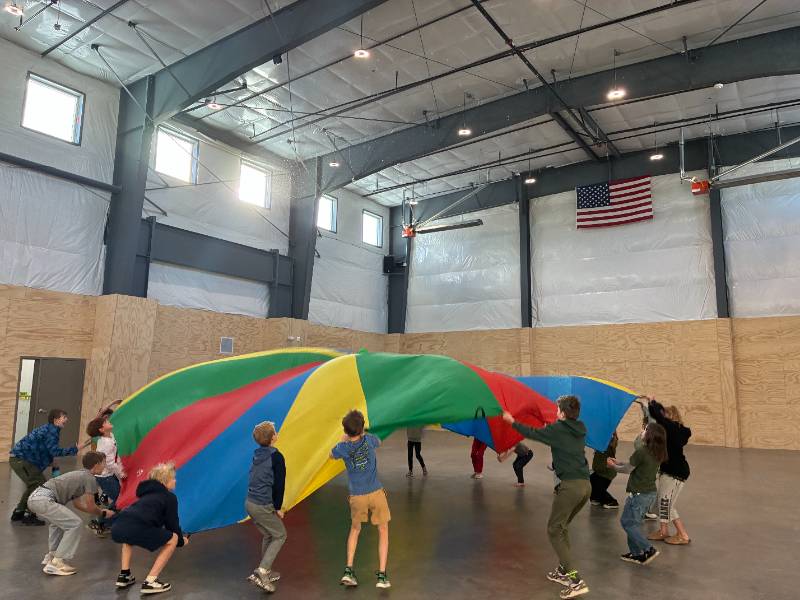
Later in the week, something shifted. For the past three weeks, our Heroes have been gathering information — researching, collecting facts, sketching plans, answering challenges, and studying their chosen animals. This week, the Zoo came alive. Not just in their imaginations, but across tables, floors, shelves, and yes… glorious creative mess. Walk into the studio this week, and you’ll see it: Heroes working independently, in pairs, and in habitat groups — cutting, painting, shaping, connecting, asking for help, giving help, rebuilding when something collapses, and celebrating when something works. Cardboard boxes have transformed into creatures. Popsicle molds are now animal limbs. Silver ducting is morphing into something entirely new. Heroes are collaborating on their habitat with heroes from the other studio. This is unifying and provides opportunities for listening, patience and problem solving. Curiosity is driving hands, minds, and collaboration forward. This is no longer research. This is creation.
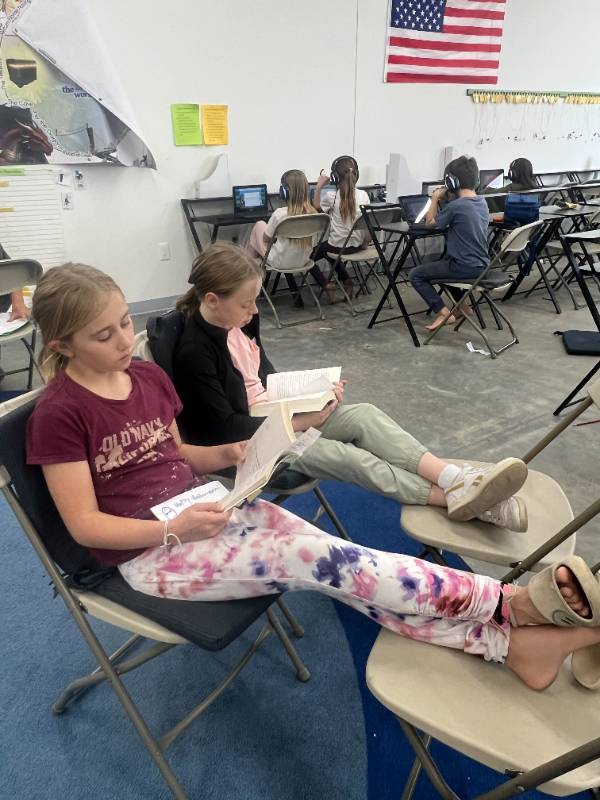
Socratic discussions this week centered on time management, honesty, and the story of real-life explorer Howard Carter — whose persistence led to one of the greatest discoveries of the 20th century, the tomb of King Tut. Heroes connected Carter’s determination to their own work, reflecting on how patience and curiosity lead to meaningful discoveries.
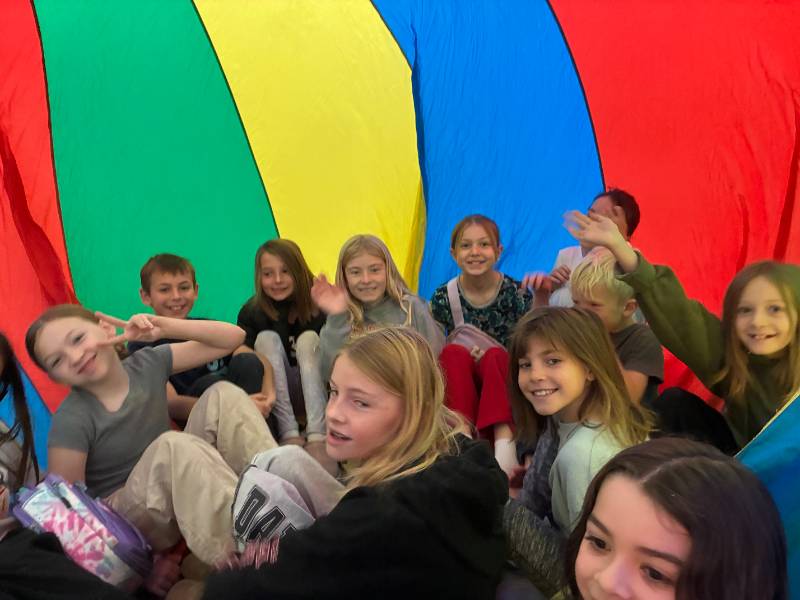
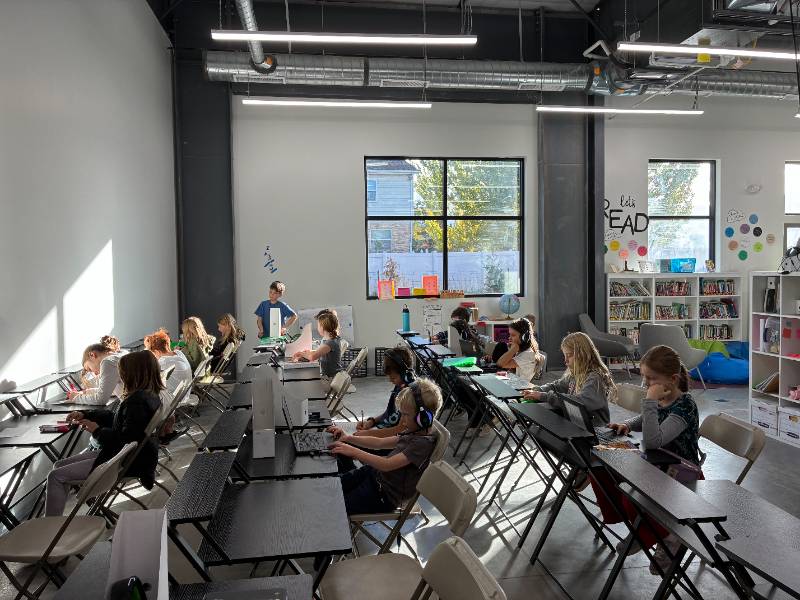
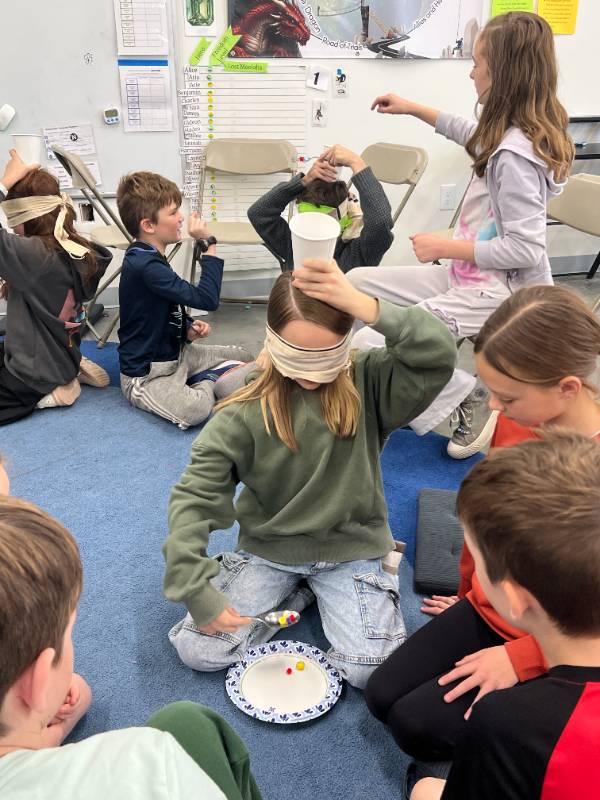
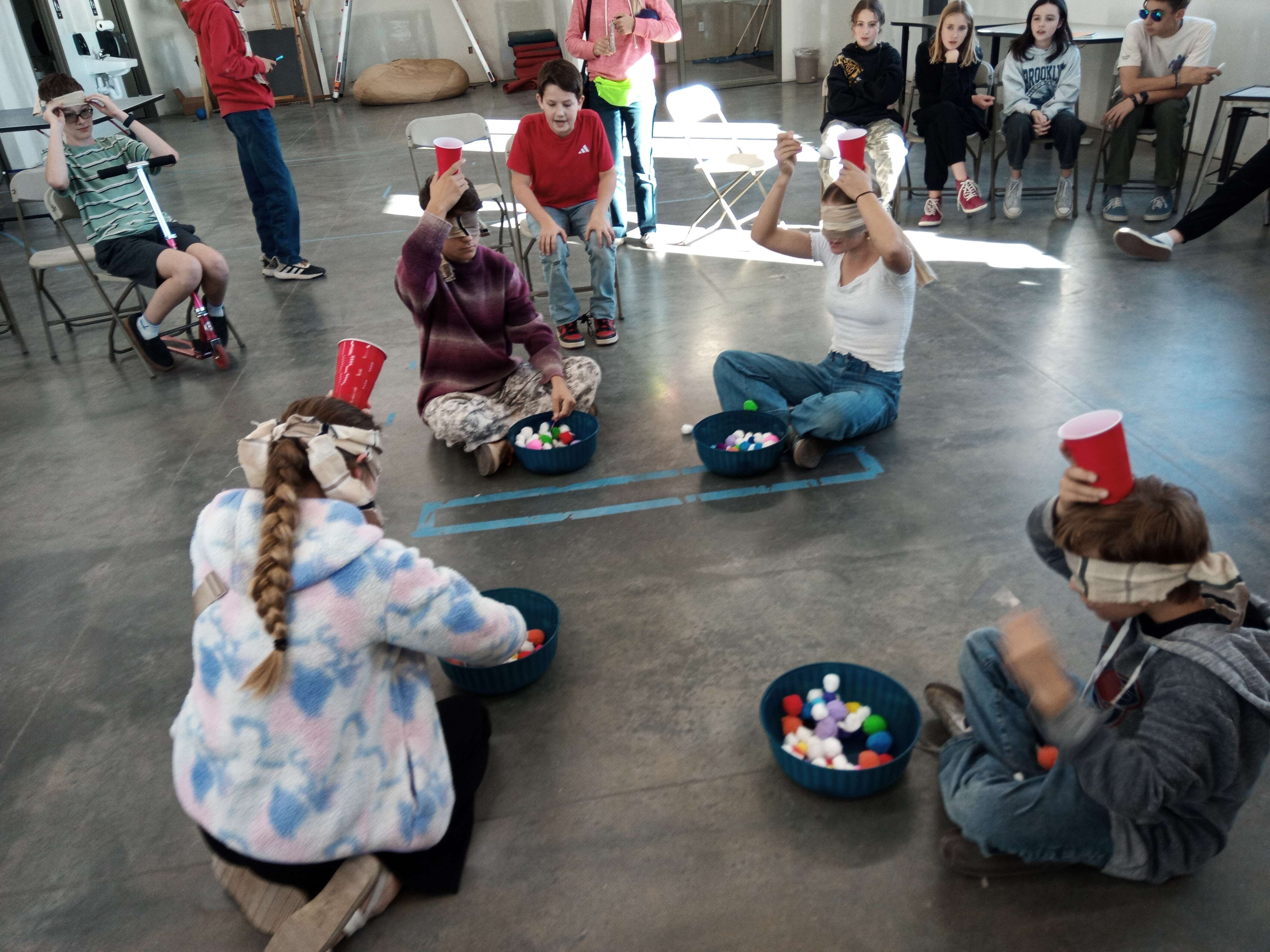
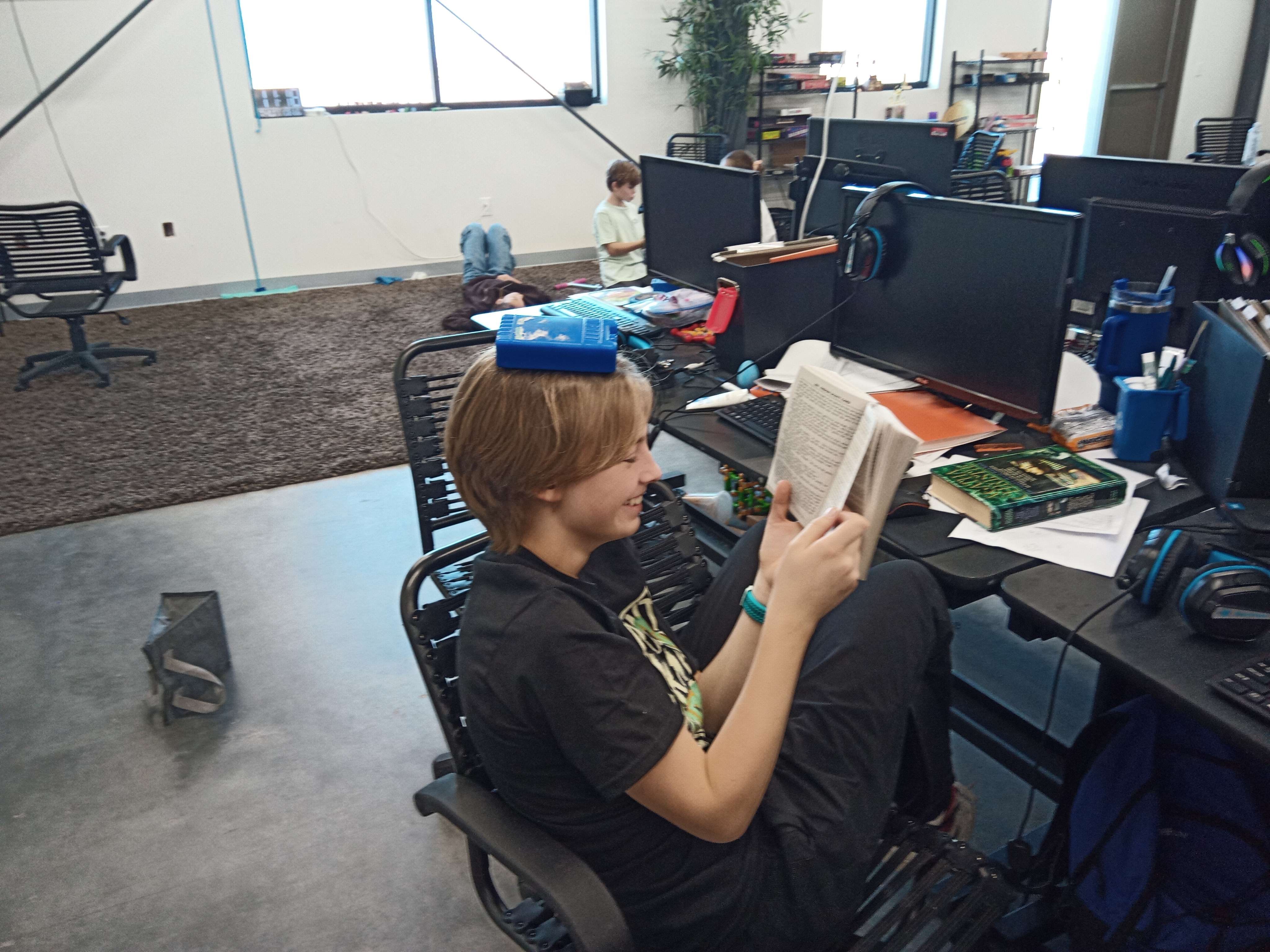
During core skills time, collaboration took many forms. Some heroes asked peers for help mastering new math or reading challenges, others helped each other in Civ, and everyone cheered each other on during a blindfolded Jolliness challenge. The idea of being a “body double” — sitting or working beside a peer to stay focused — also became popular, with heroes finding motivation and accountability in working alongside one another.
In the DELTA Studio
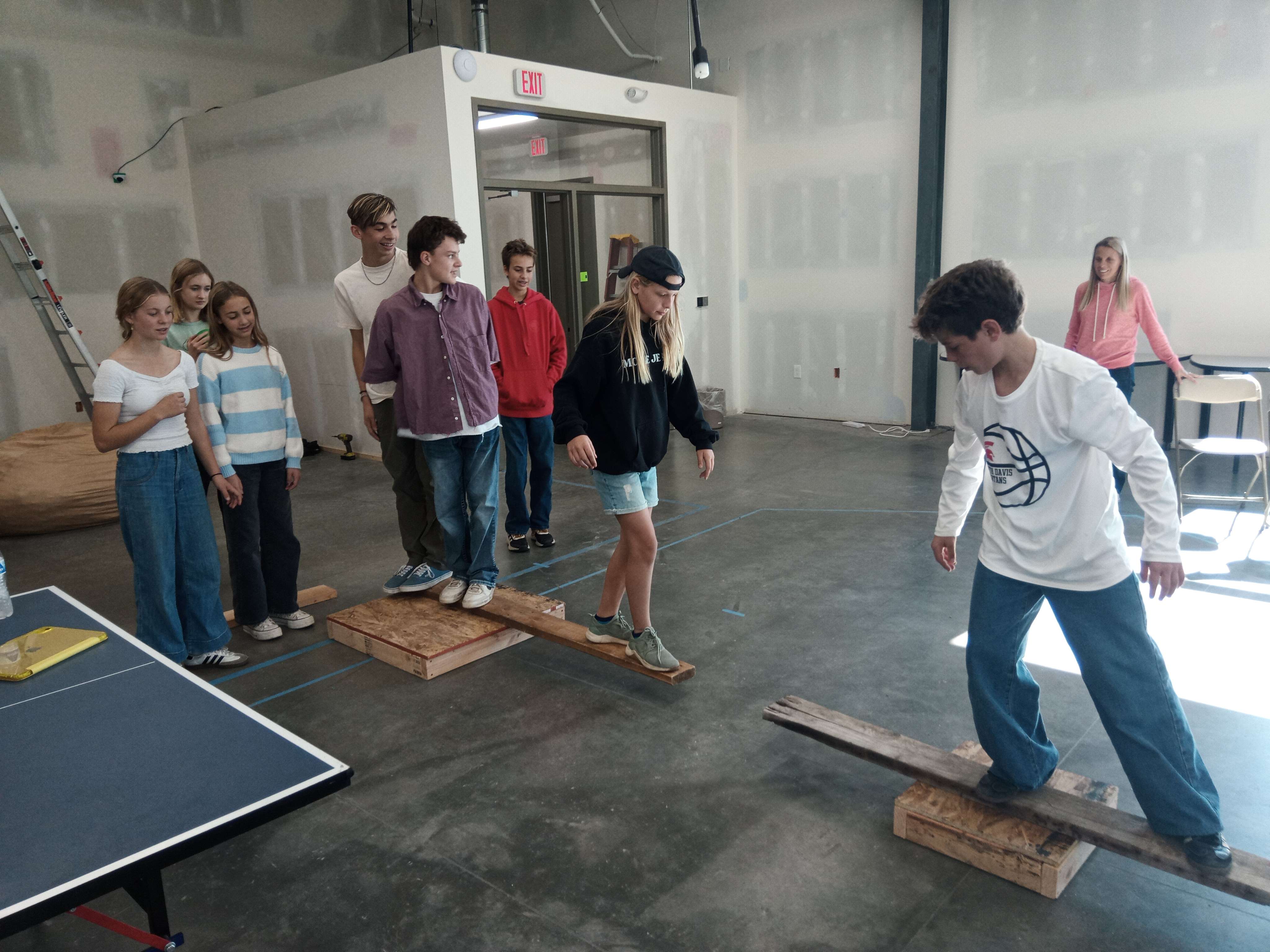
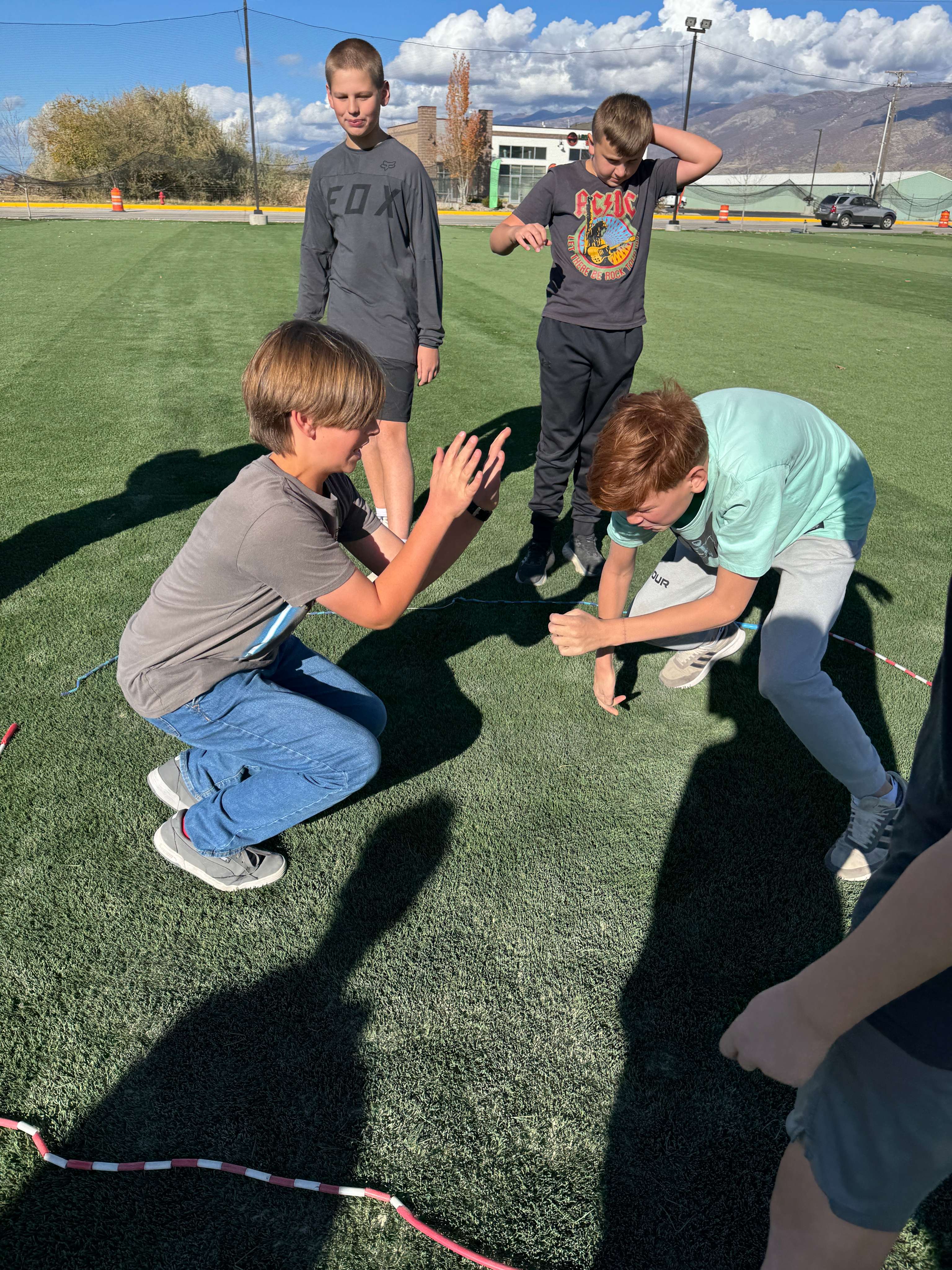
This week DELTA heroes took the information they have been struggling to acquire and used it to solve physical challenges. To earn additional eggs for the “eggs”-hibition, the heroes participated in a pair of physical pheats pertaining to physics.
The first was to cross the floor along these wooden platforms, using leverage to their advantage.
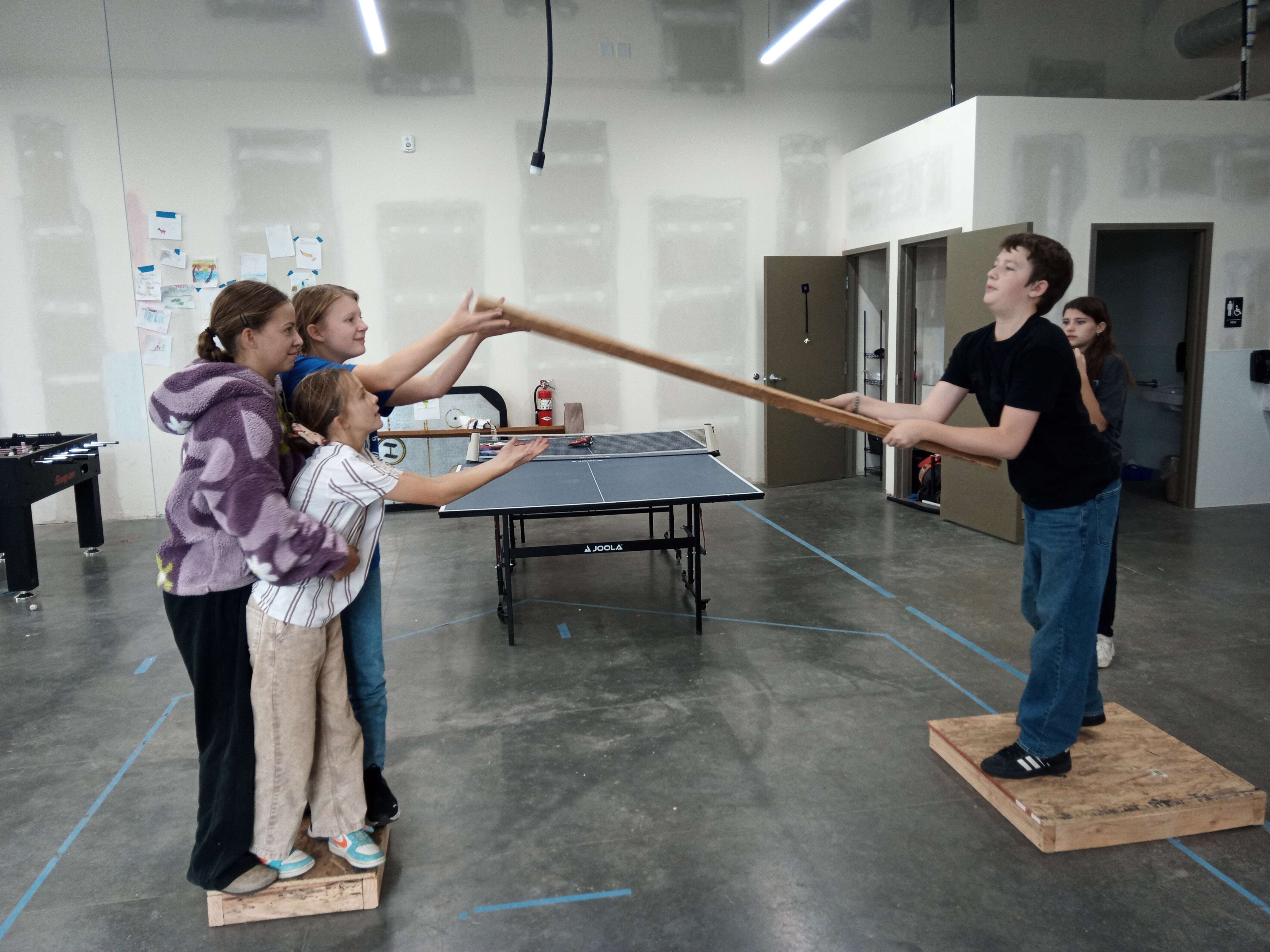
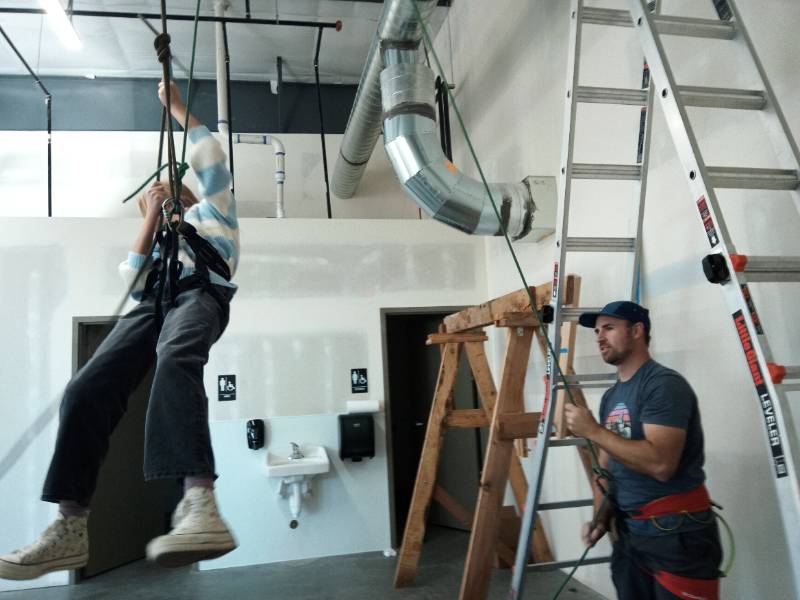
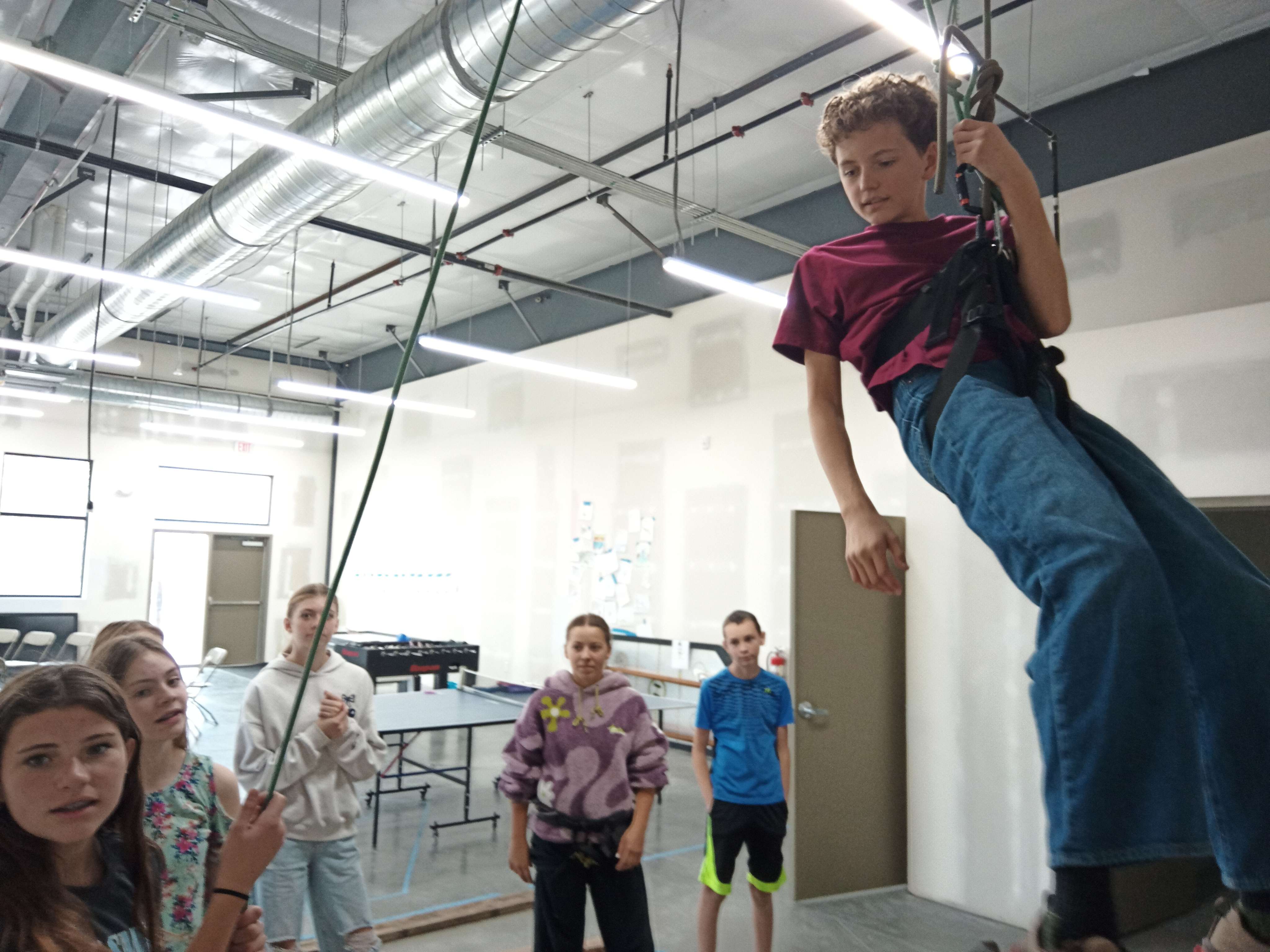
The second was to set up a pulley system that made it so they could hoist each other up to the ceiling (with a backup belay, of course).
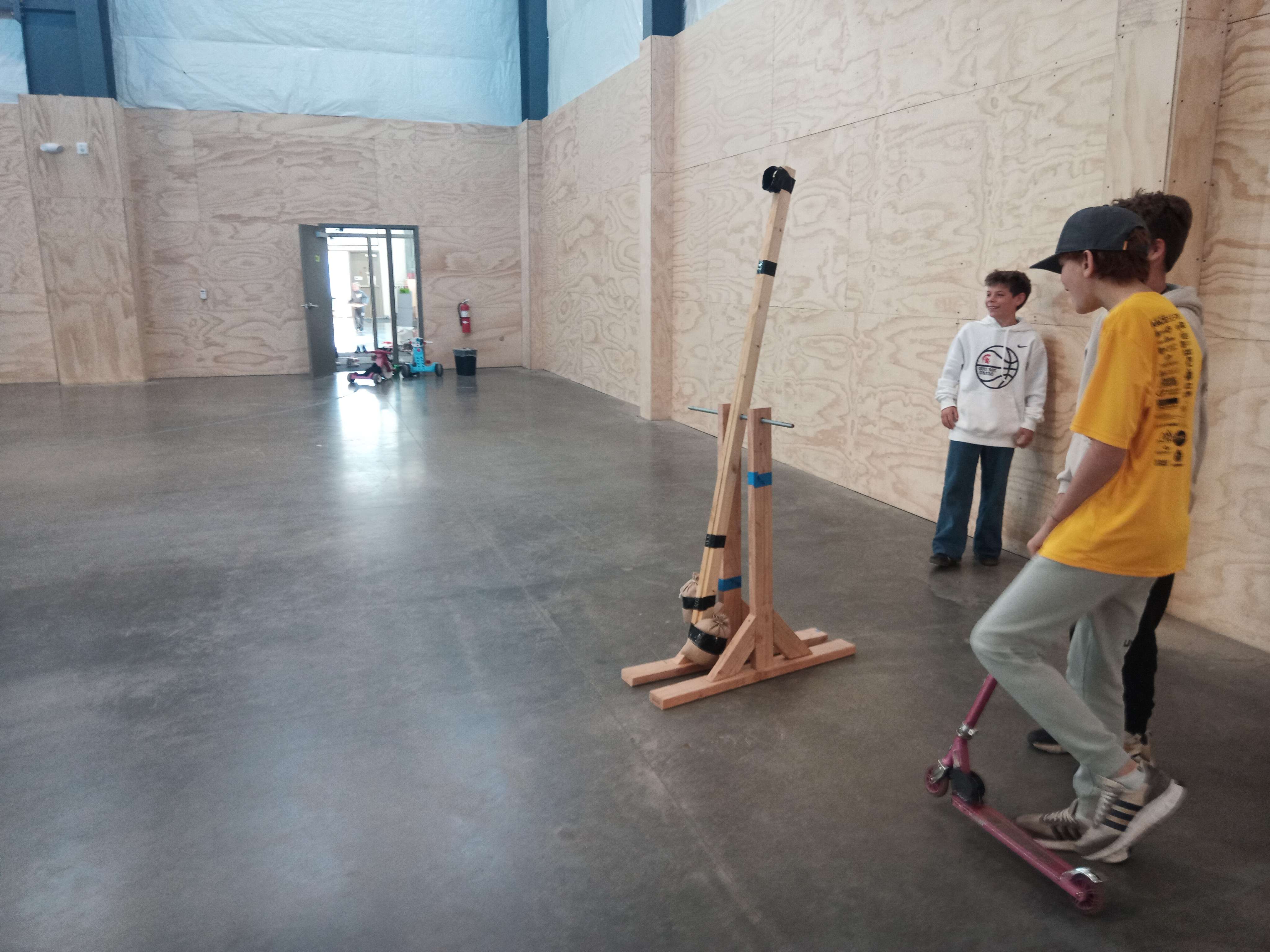
Heroes continue to prepare for the “egg”-hibition. Some squads have their catapults nearly finished.
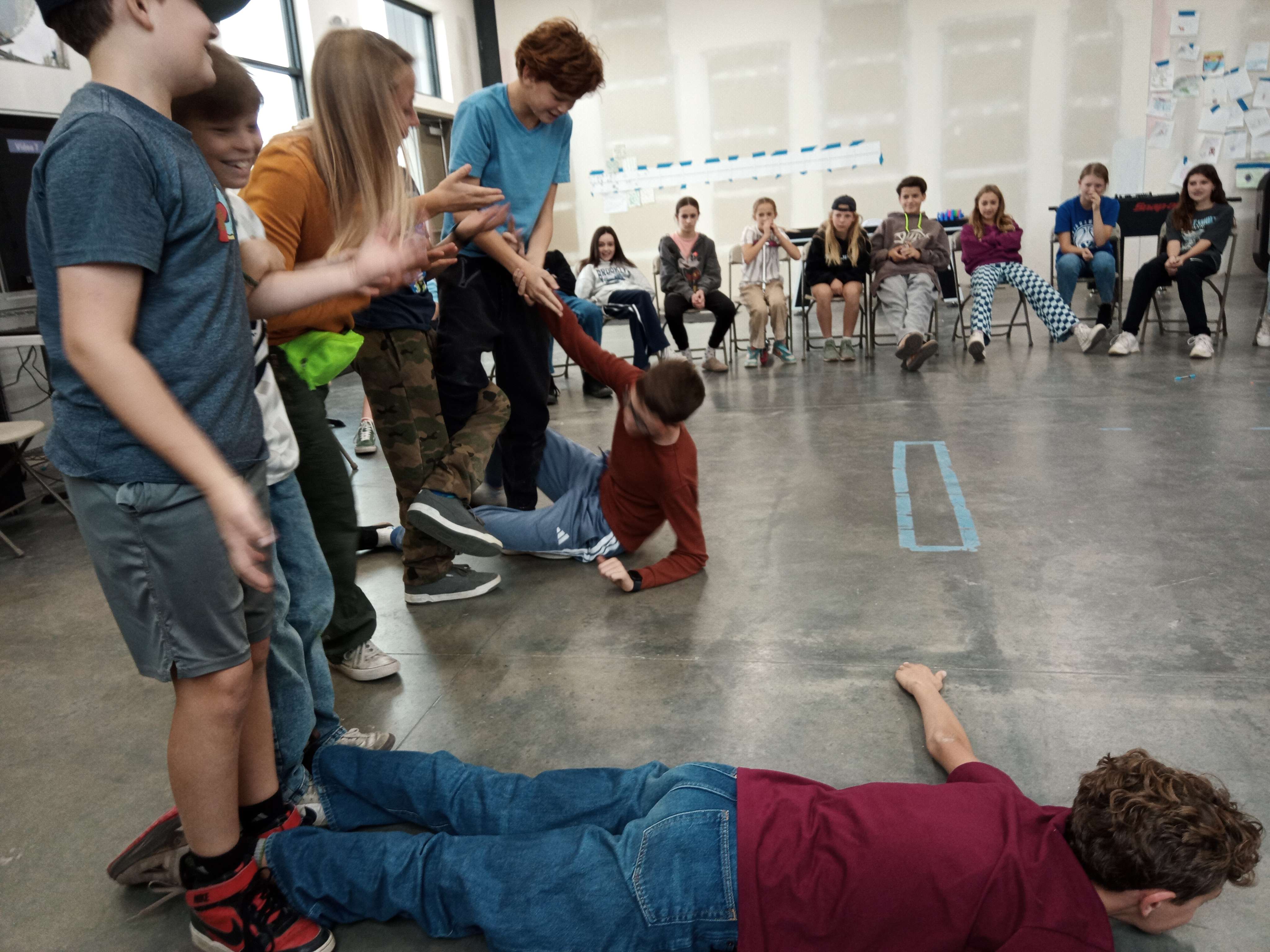
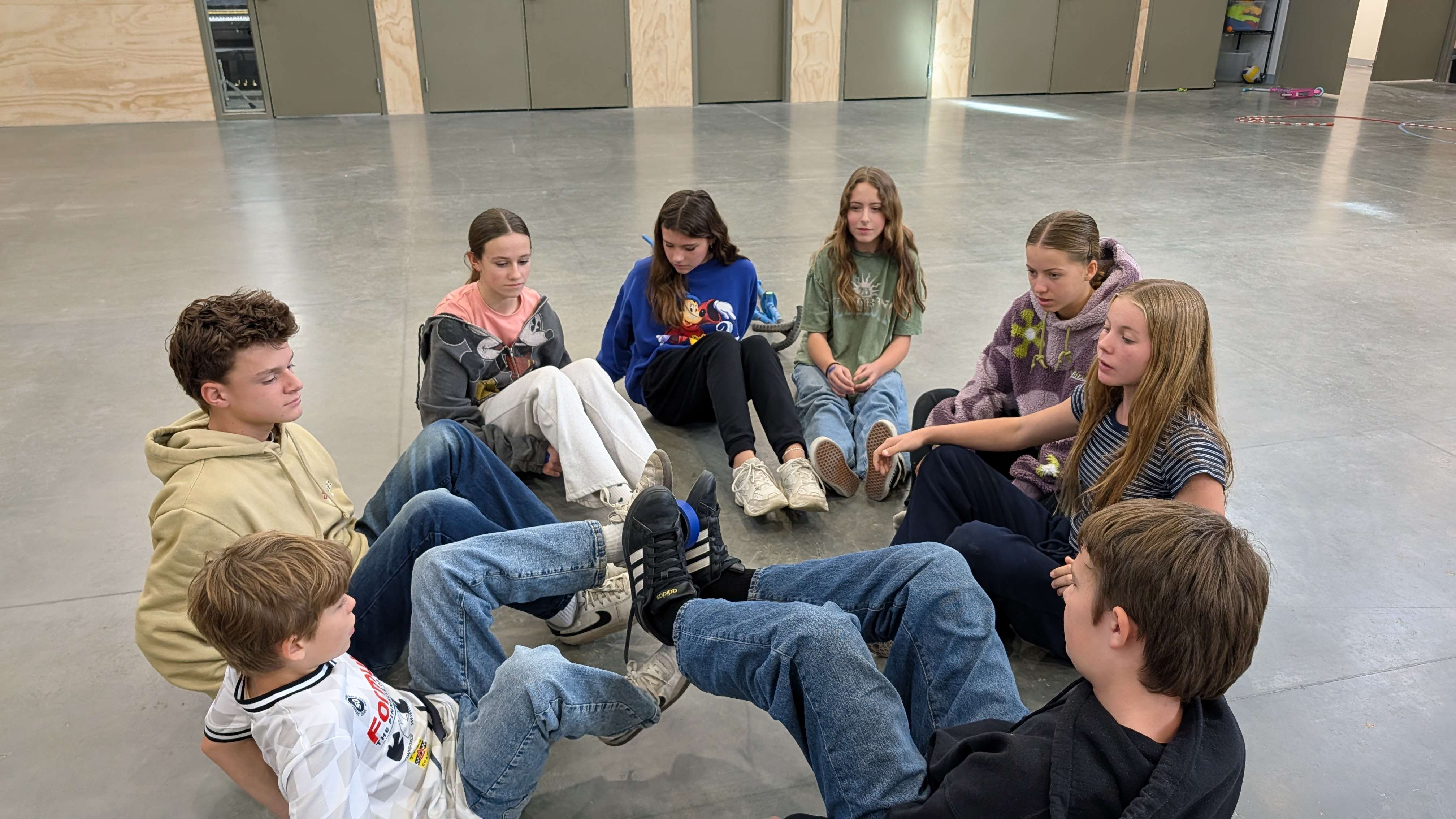
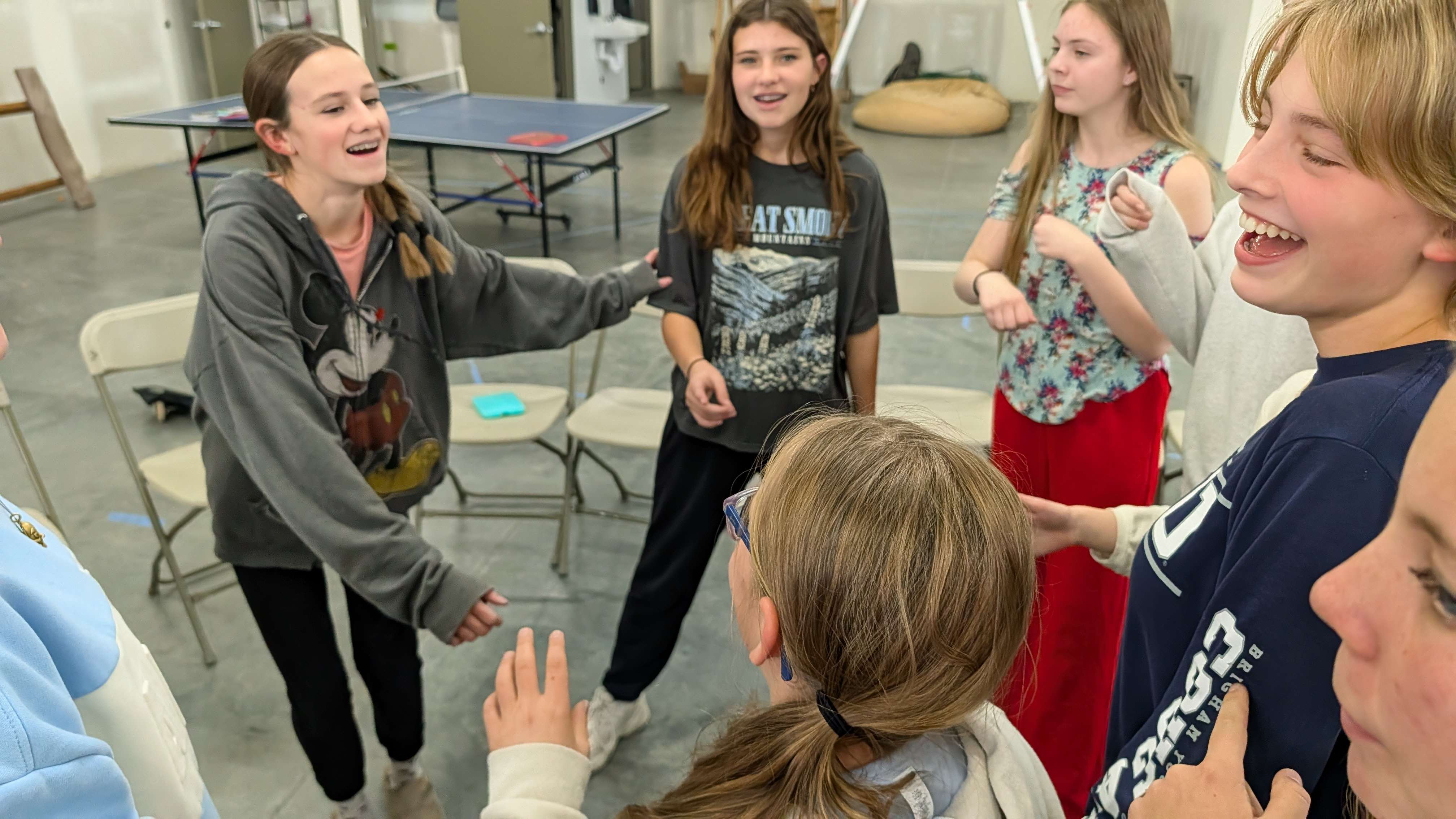
In between all the Physics, we make time to: continue building the tribe through silly challenges, bring history to life through engaging Civ challenges, and lead the school through examples, mentoring and games.
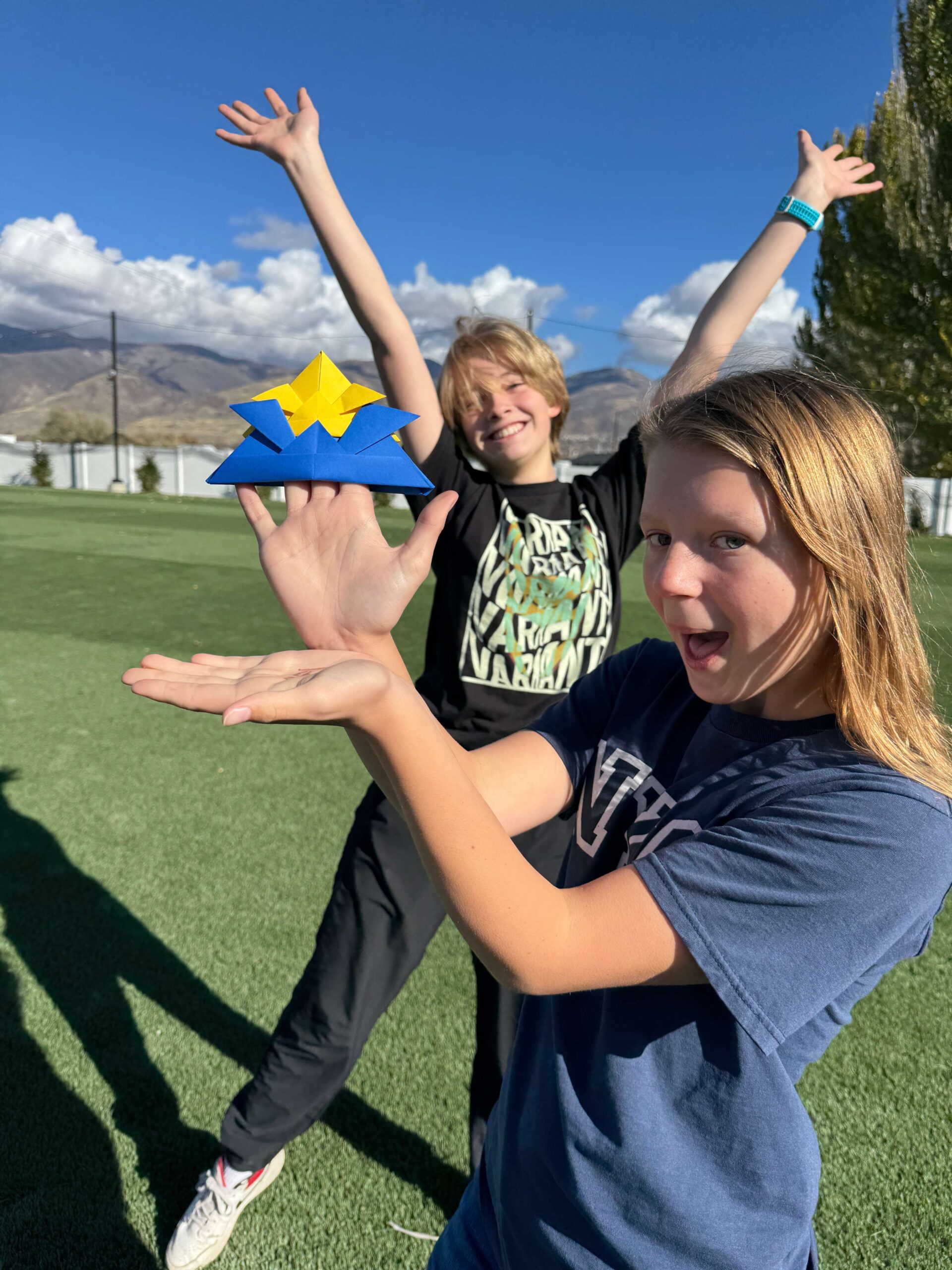
This week across CHOICE, we saw once again how learning deepens when heroes move beyond gathering information to exploring it through curiosity, creativity, and action. Each challenge — whether in architecture, art, zoology, or physics — invited heroes to take the next step: to question, to build, and to create. Curiosity became the bridge between knowing and doing — and in that space, learning comes alive.