At CHOICE, we believe thinking—critical thinking to analyze the world as it is, creative thinking to imagine what could be, and out-of-the-box thinking to solve problems when the path forward isn’t obvious – doesn’t just help learners succeed in school, it shapes how they approach challenges, relationships, and opportunities throughout their lives. This week (and every week) across our studios, learners were invited again and again to stretch their thinking, sit with discomfort, reflect on failure, and discover just how capable they are.
In the Spark Studio
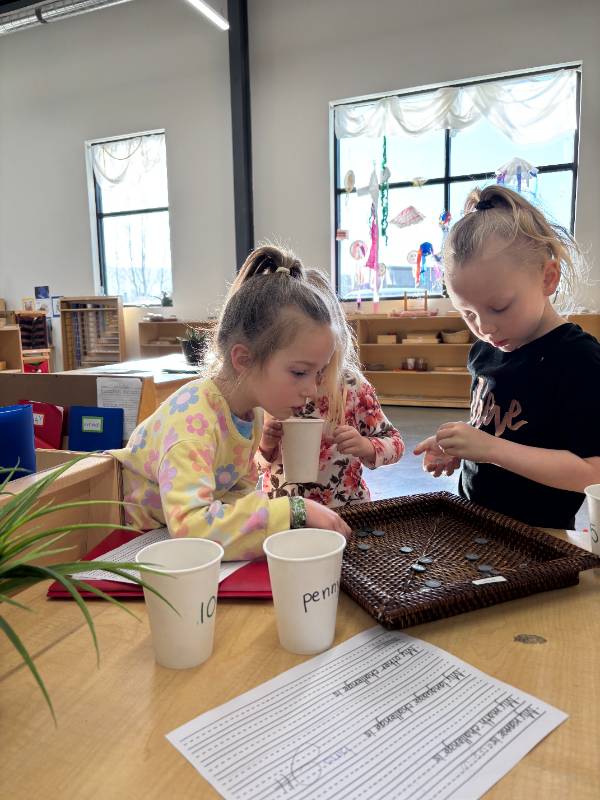
Sparks began the week by revisiting their challenge donut, reflecting on when learning feels easy, when it feels hard, and what happens when we move between comfort, challenge, and panic zones. Learners discussed how being in the panic zone is okay for short periods—especially when teamwork helps bring us back into challenge—and how staying too comfortable for too long can limit growth.
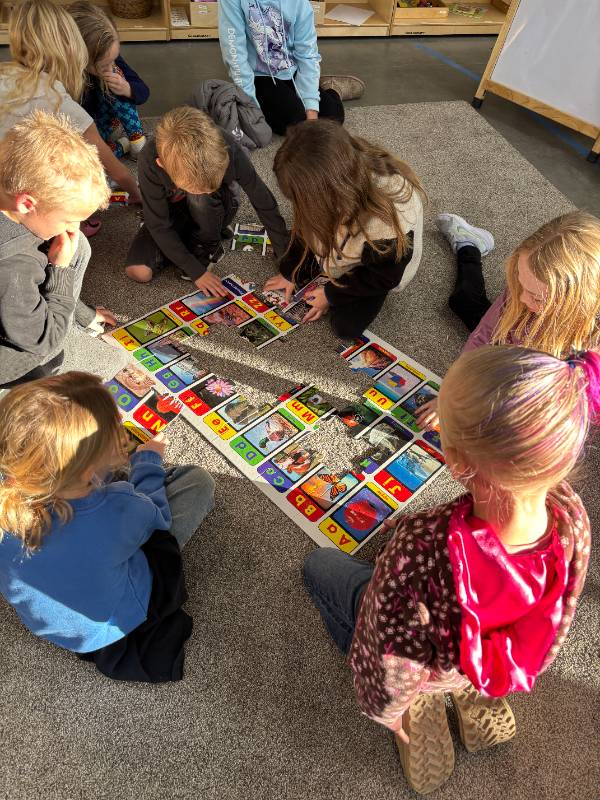
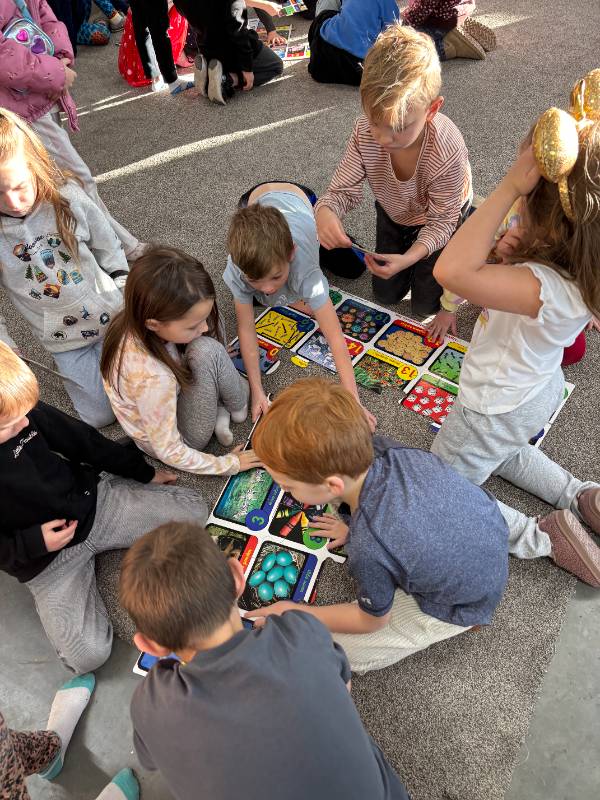
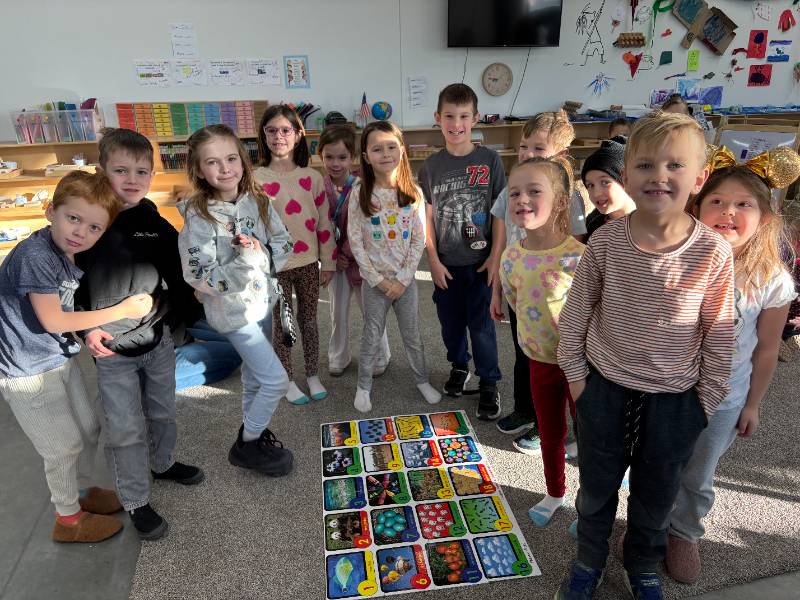
That thinking carried into daily habits as Sparks intentionally pushed themselves in language and math. Some learners challenged themselves by tackling their hardest task first, while one Spark chose to arrive early each morning to write down goals before beginning the day—small but powerful examples of learners building habits that support long-term growth.
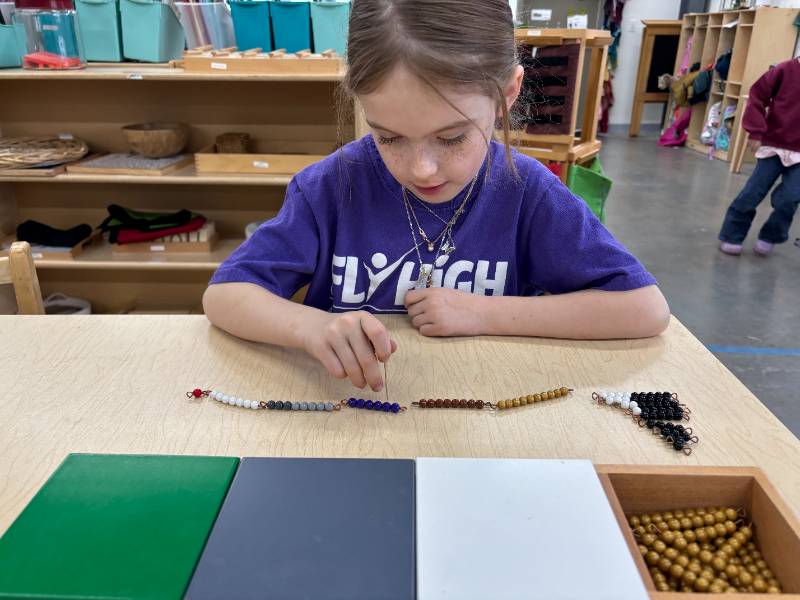
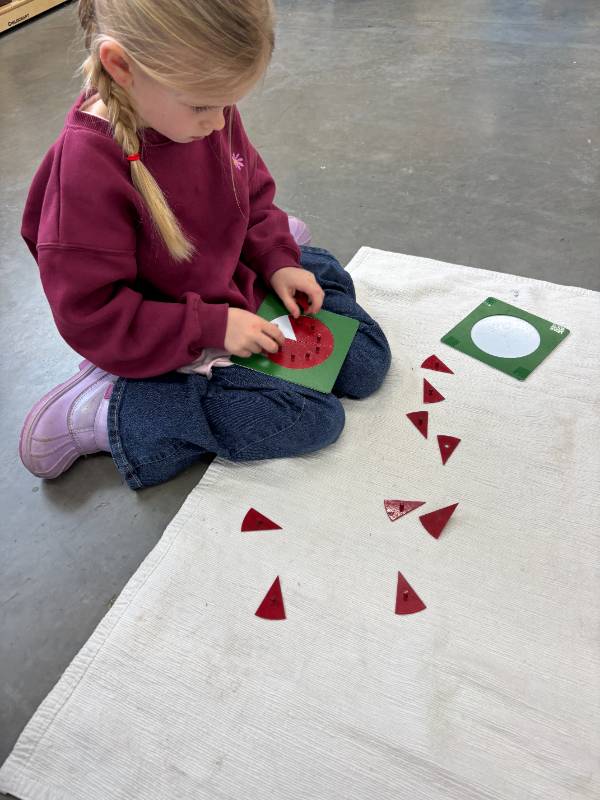
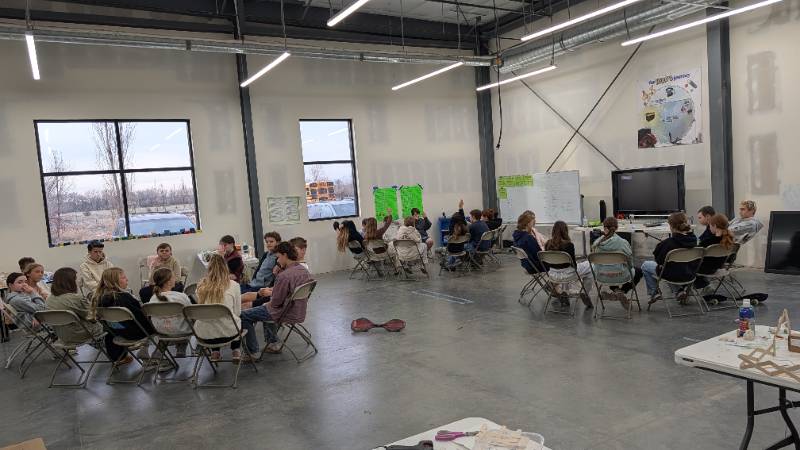
Town Hall offered a meaningful opportunity for critical thinking and ownership of the studio culture. When a hero noticed markers were being left uncapped, the studio discussed the issue and agreed on a solution together. Another hero raised concerns about sharing food at lunch, leading to a studio vote and later reflection when learners realized the full impact of their decision. These moments reinforced the importance of understanding choices, listening to peers, and engaging thoughtfully in community decisions.
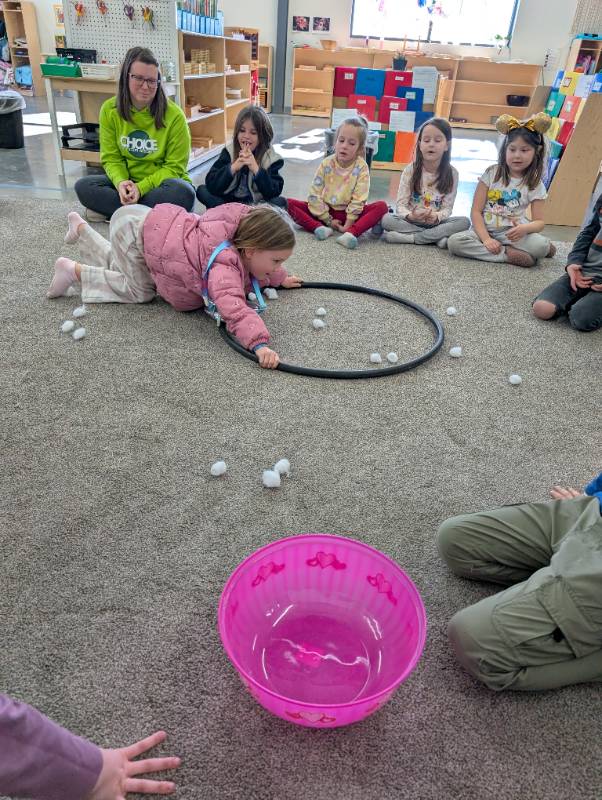
During CHOICE work cycle, Sparks explored the deep sea, asking why creatures that live there often appear strange or scary and how those features help them survive.
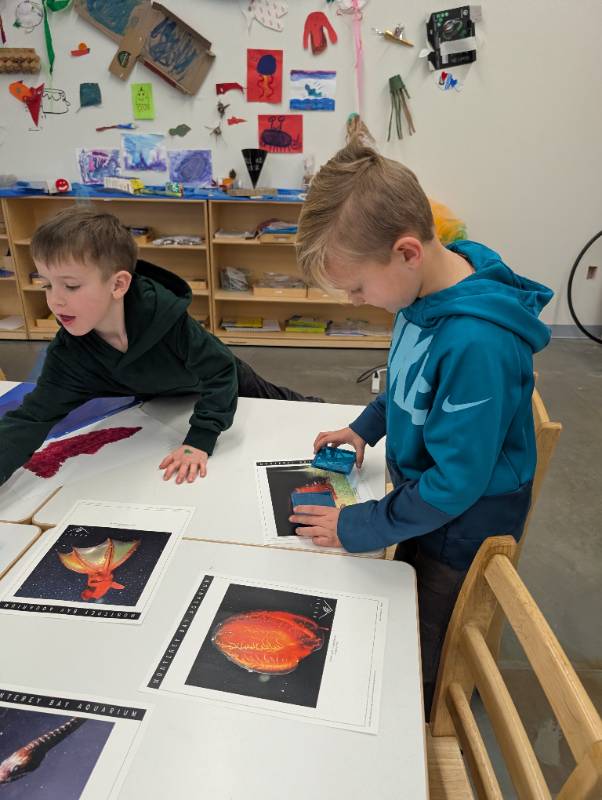
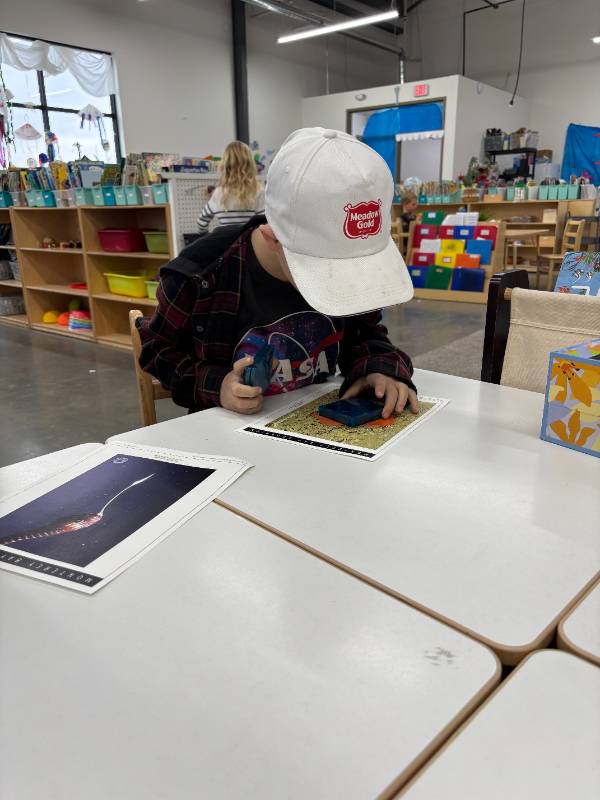
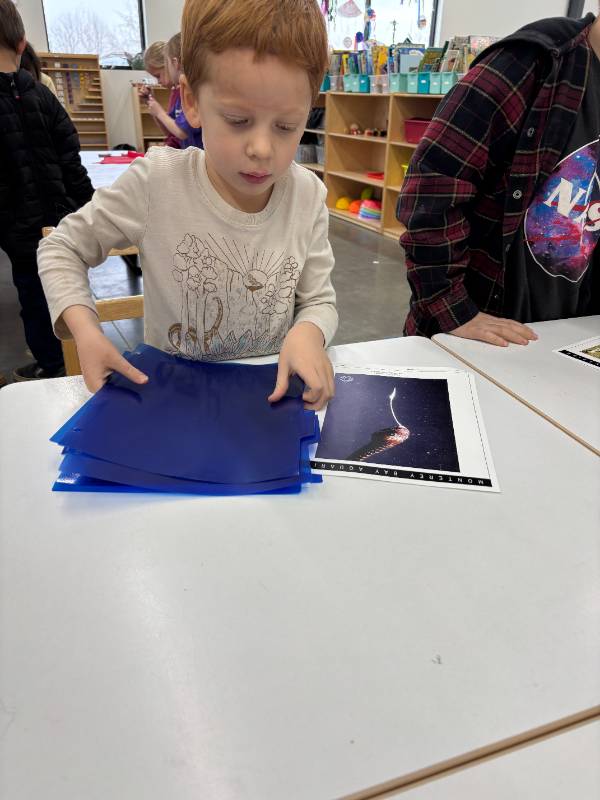
Learners experimented with how the color red disappears underwater,
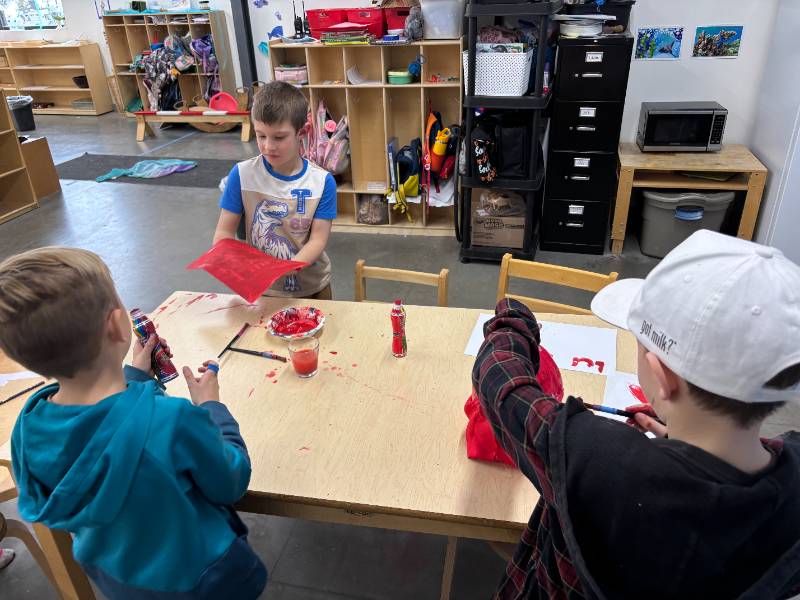
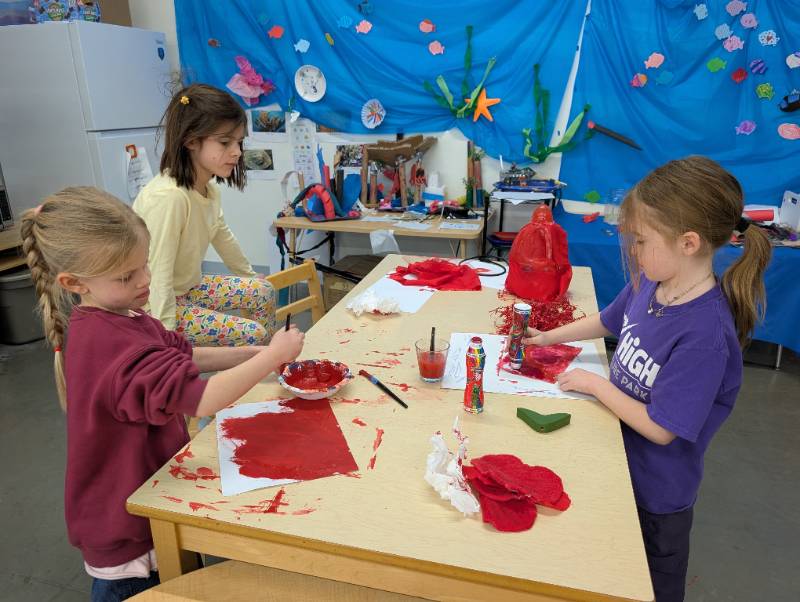
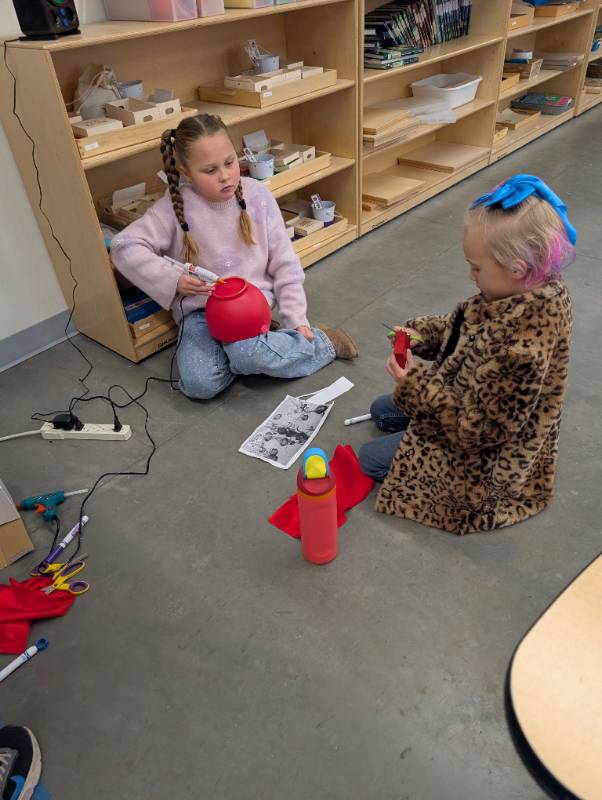
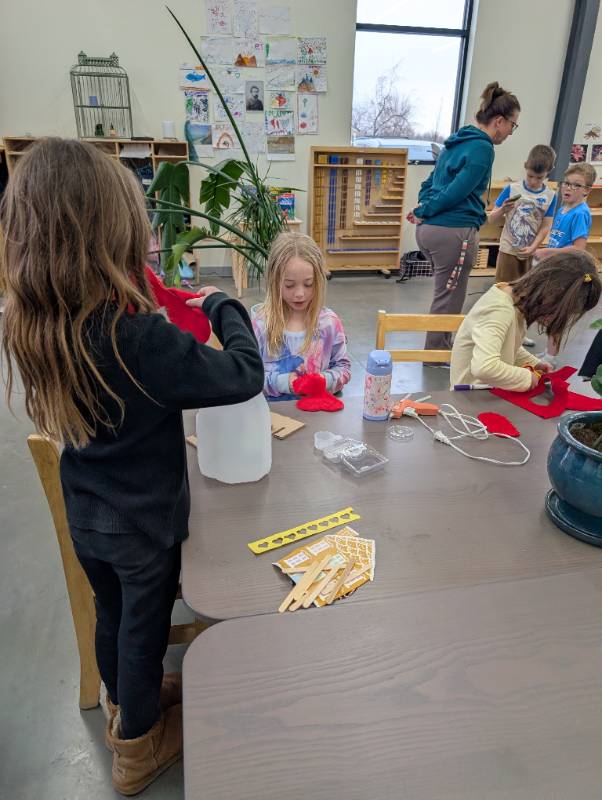
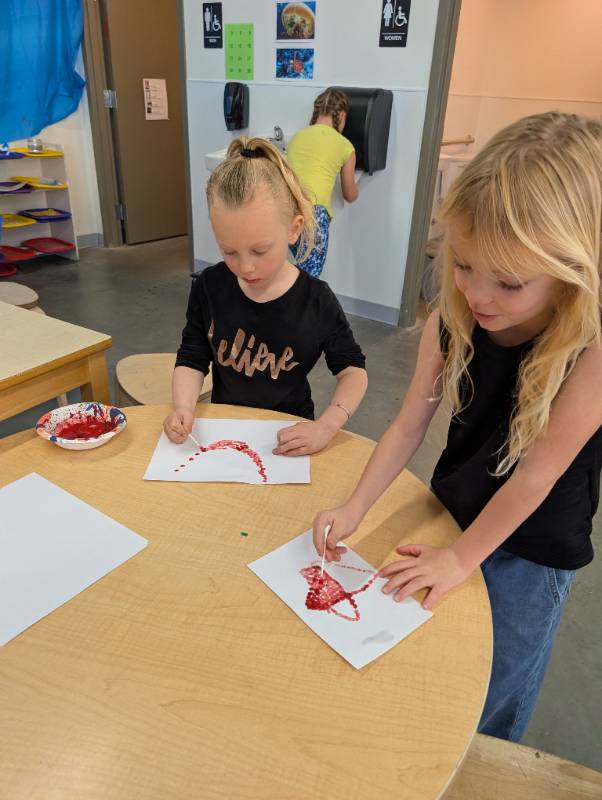
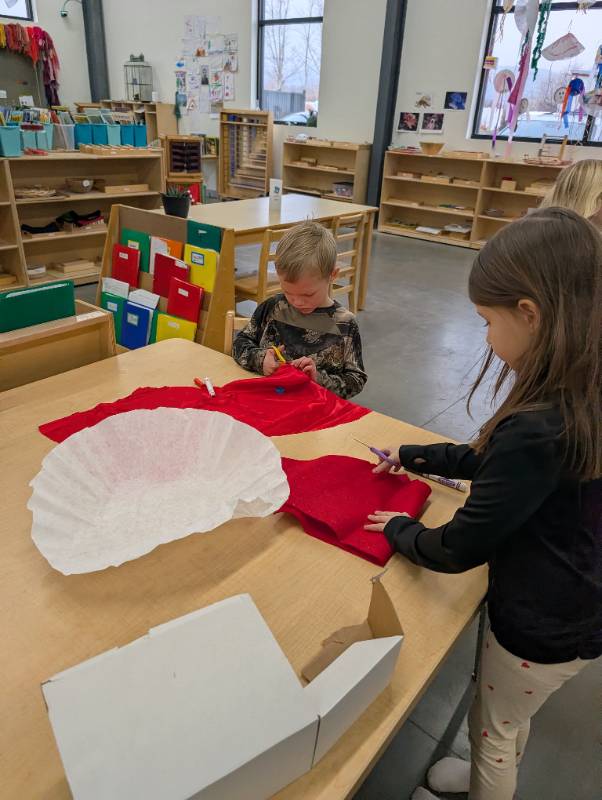
created camouflaged sea creatures,
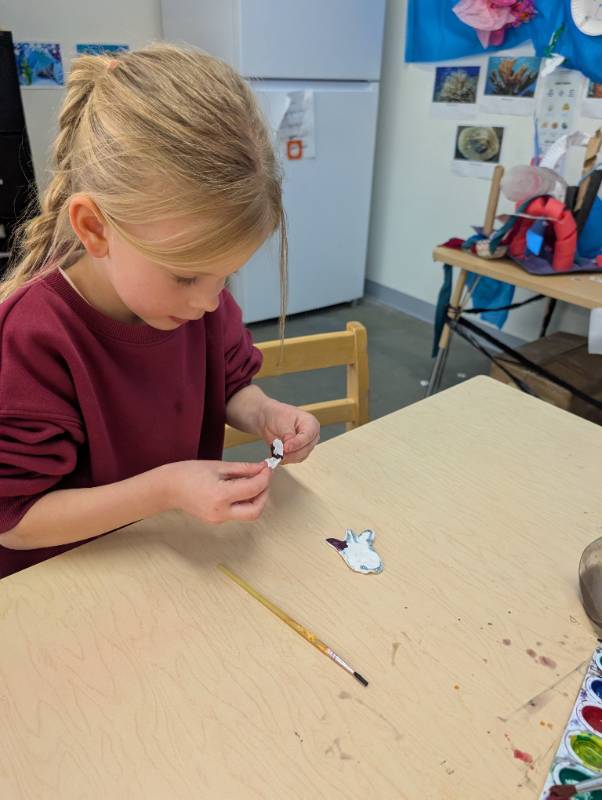
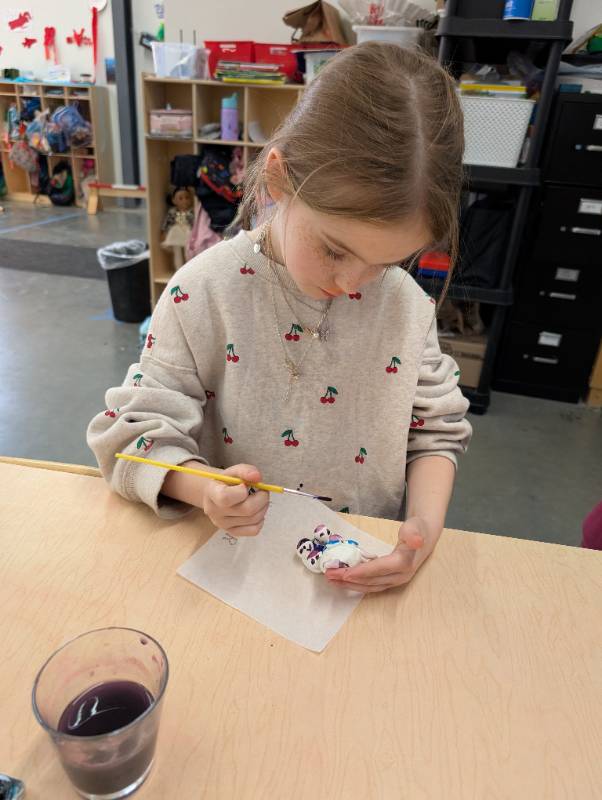
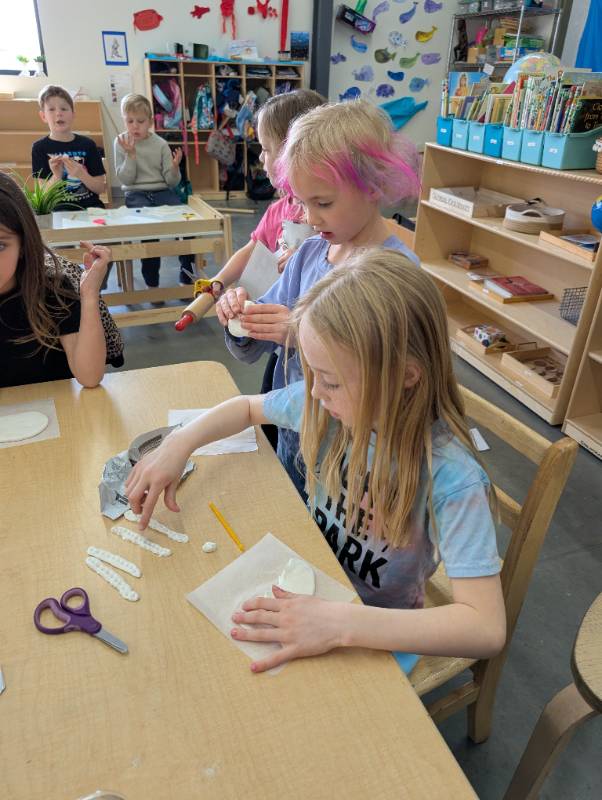
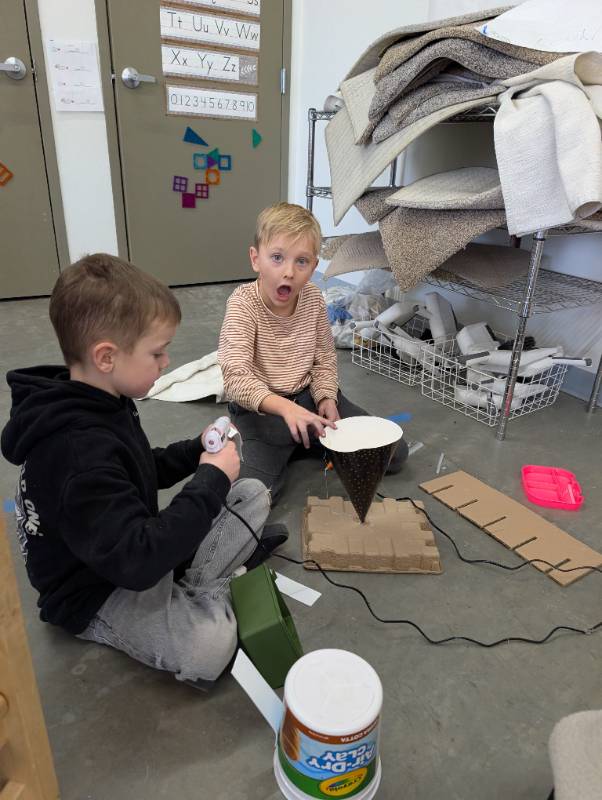
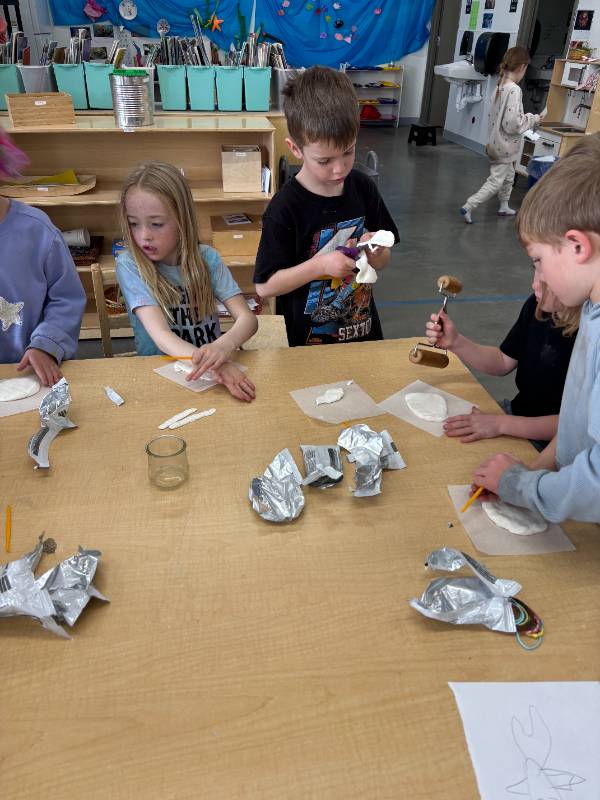
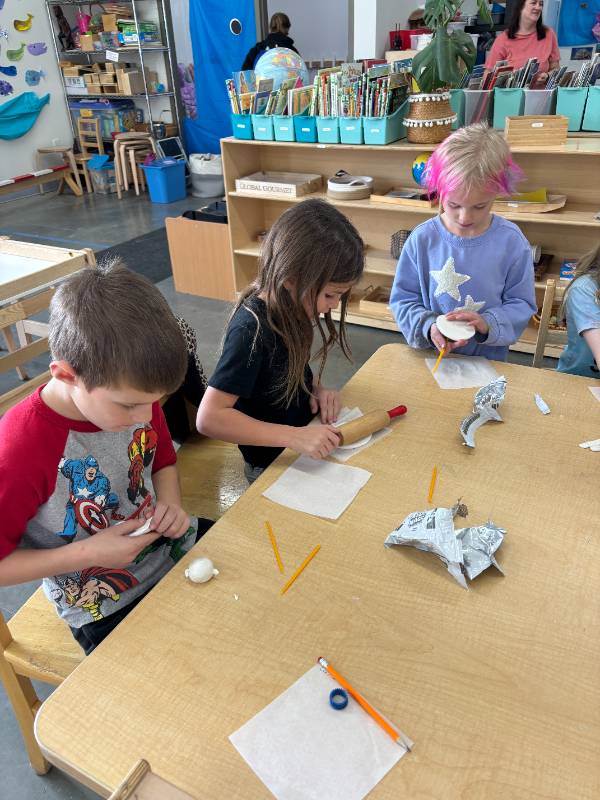
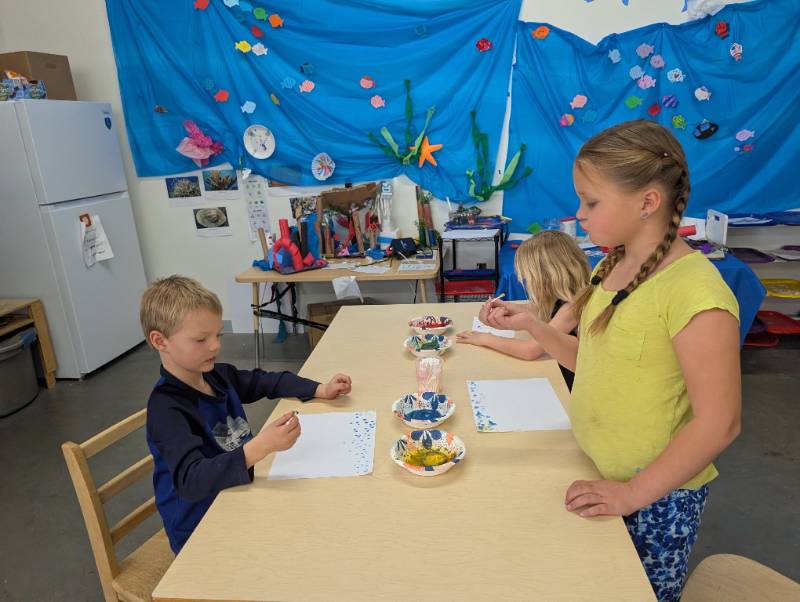
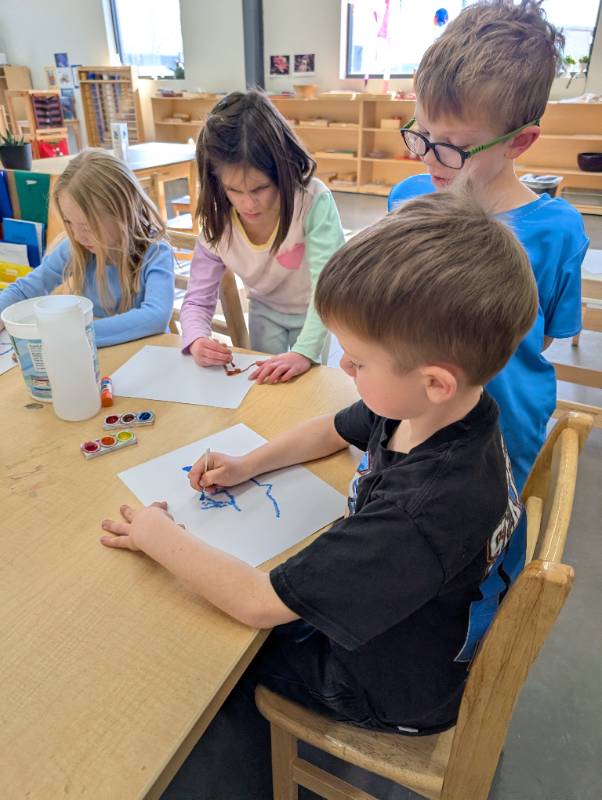
and studied (and created) Georges Seurat’s pointillism to understand how color and perception work together.
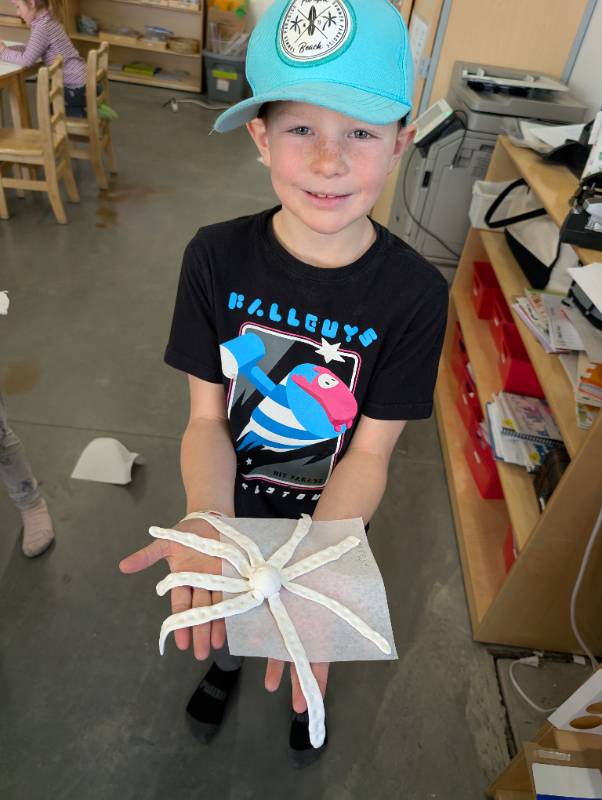
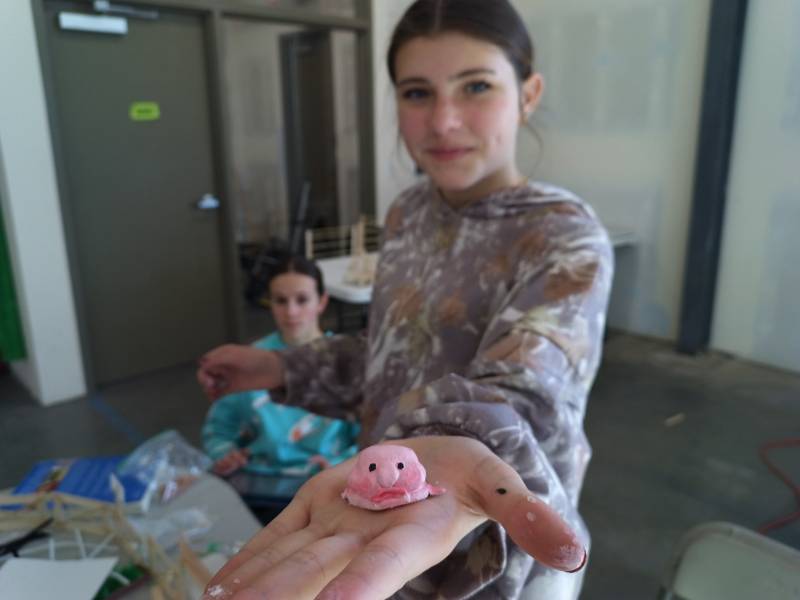
To wrap up the week, heroes sculpted sea animals with air-dry clay. When one learner felt disappointed with the outcome, they practiced emotional resilience—pausing, reflecting, and ultimately reframing the result as something “actually really cool.” It was a powerful reminder that thinking differently can change not just our work, but how we feel about it.
In the Fire Studio
In the Fire Studio, Town Hall continues to be a cornerstone for practicing leadership and out-of-the-box thinking. Heroes brought forward problems and ideas, debated contract changes, and shaped the studio culture together—hero to hero, without adult direction.
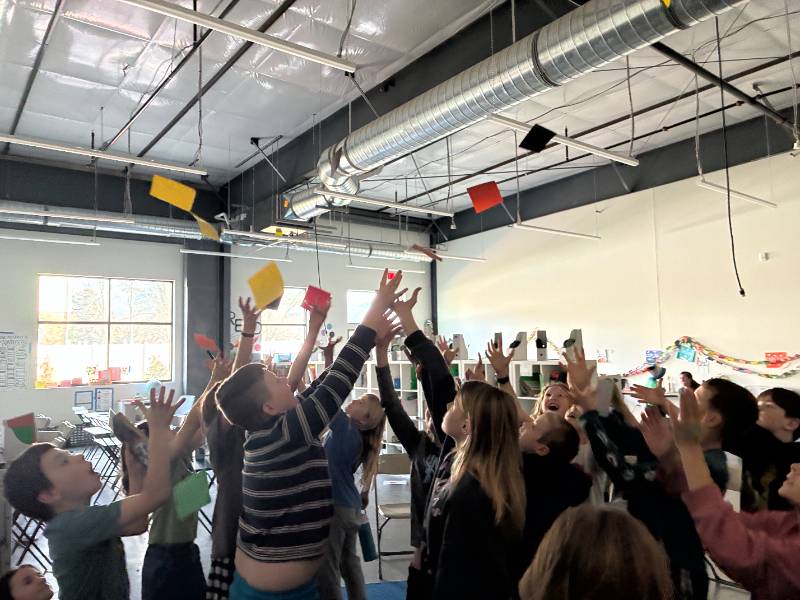
Creative thinking showed up in playful ways as heroes invented brand-new Winter Olympic events, first through a studio MadLib and then in squads. From Nap Sledding to Ski Hockey and Mountain Tunneling, learners stretched their imaginations while collaborating and building on one another’s ideas.
Failing forward was a major theme throughout the week. Heroes explored setbacks through history, starting with a clip from Seabiscuit and discussions about what keeps them motivated after challenges like injuries, academic struggles, or missed goals. Some heroes focused on the bigger picture, while others found motivation by simply taking the next small step.
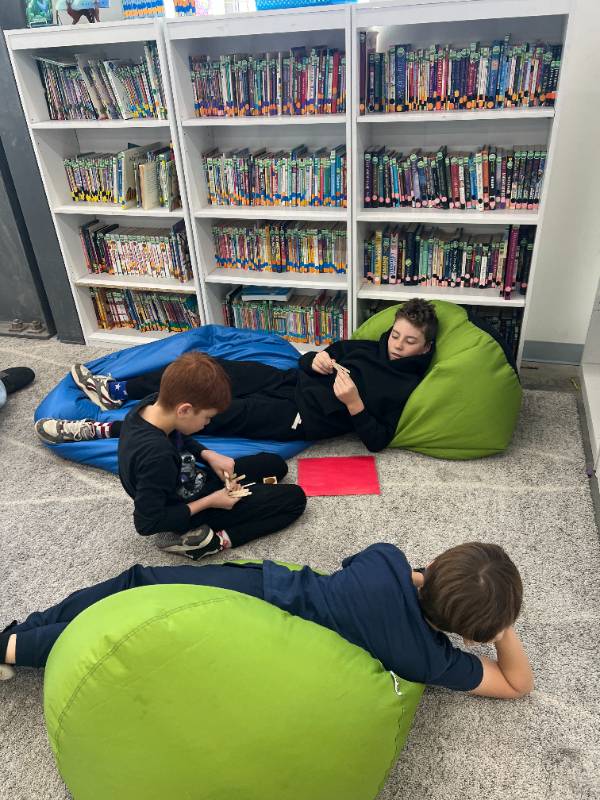
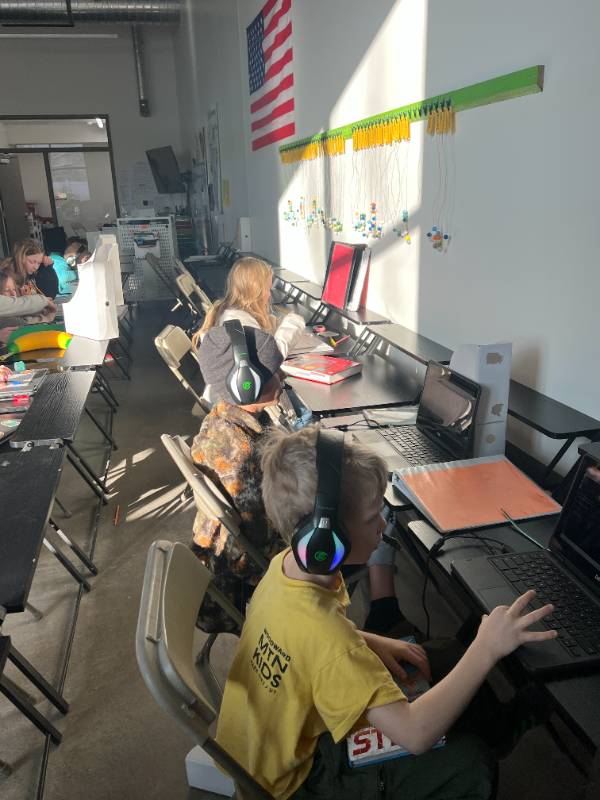
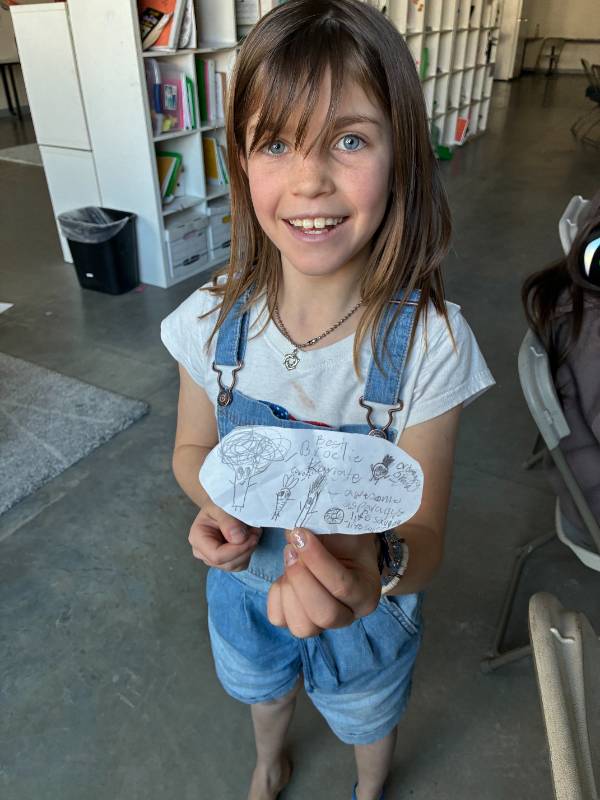
The studio also discussed Thomas Edison, using an energy stick to explore circuits and discuss the idea that failure often means something is missing—not broken. Heroes debated whether Edison’s success came from persistence, learning from failure, or collaboration, recognizing that all three play a role in overcoming setbacks. These ideas connected directly to real-life challenges, from tech glitches to revising work in Writer’s Gym.
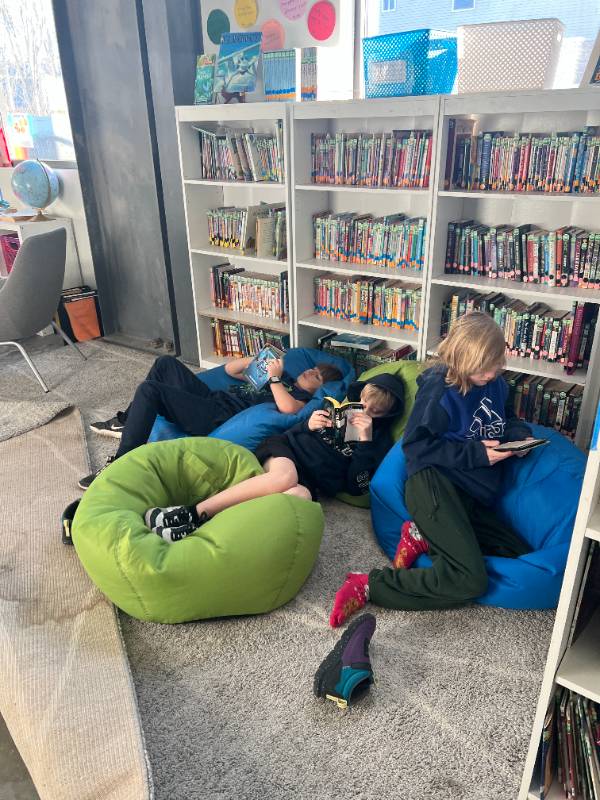
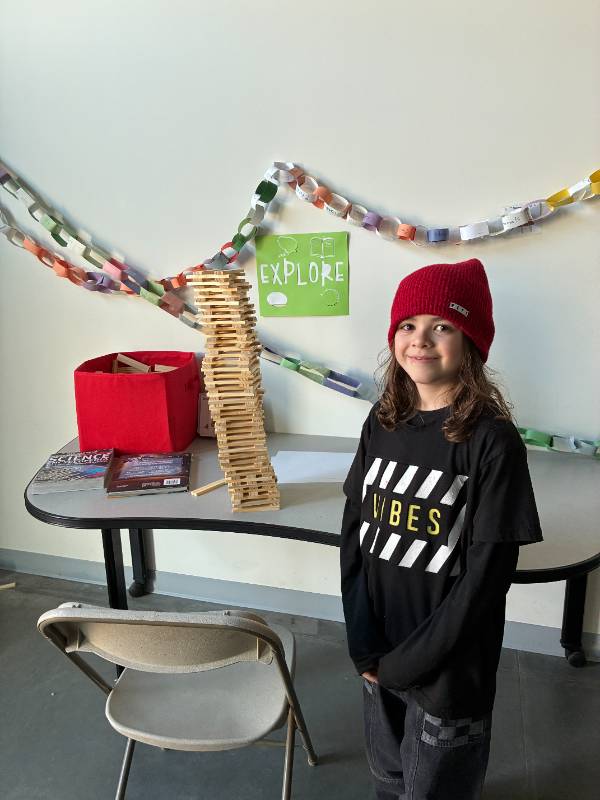
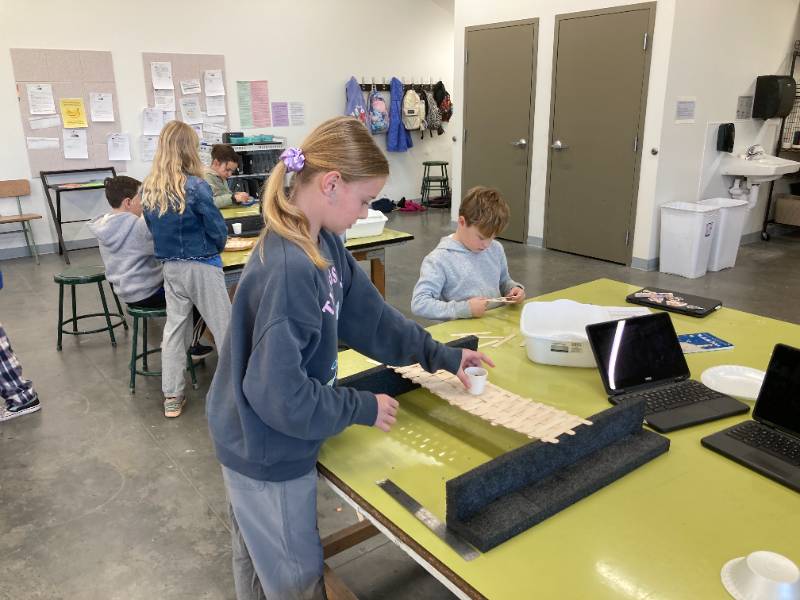
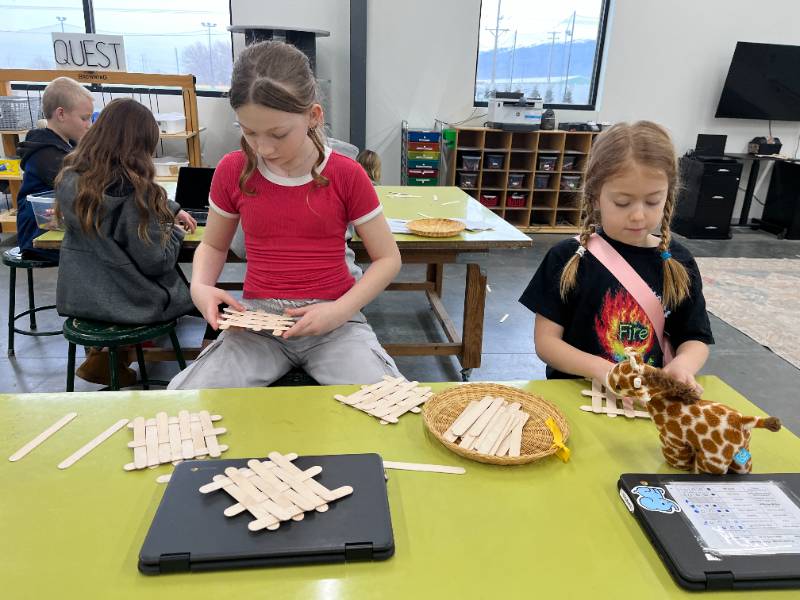
In Physics: Newton’s Toy Shop, heroes balanced independent work with collaboration, learning to trust their own thinking while recognizing the value of teamwork. Inspired by Leonardo da Vinci, learners built bridges and towers using only popsicle sticks and physics principles—no glue, tape, or shortcuts allowed.
The Da Vinci bridges required precision and focus, as a single misplaced stick could bring everything down. When one bridge collapsed just before testing, it sparked a meaningful discussion: Is the goal to “succeed,” or to understand the forces at work and learn through the process?
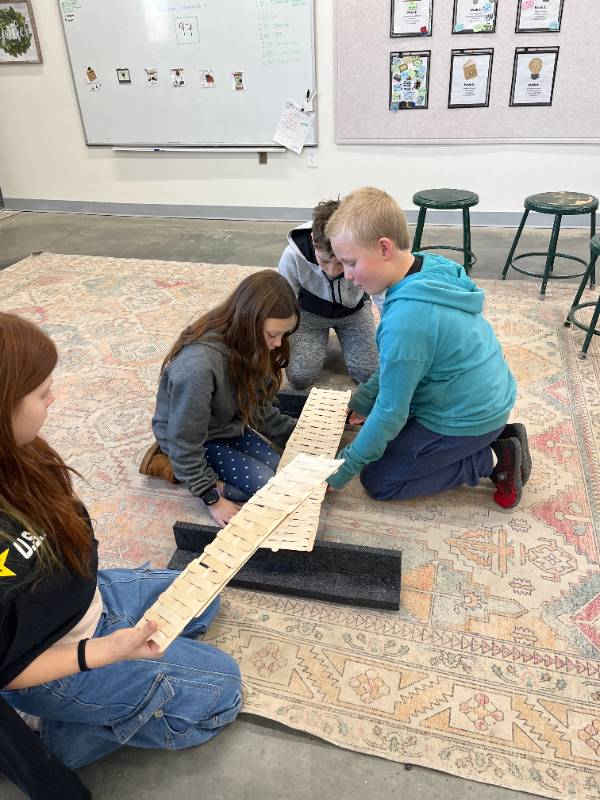
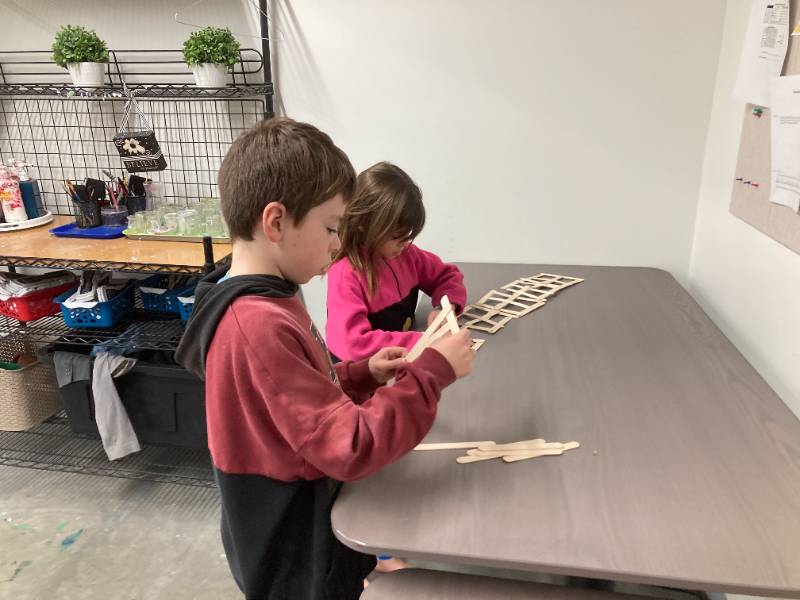
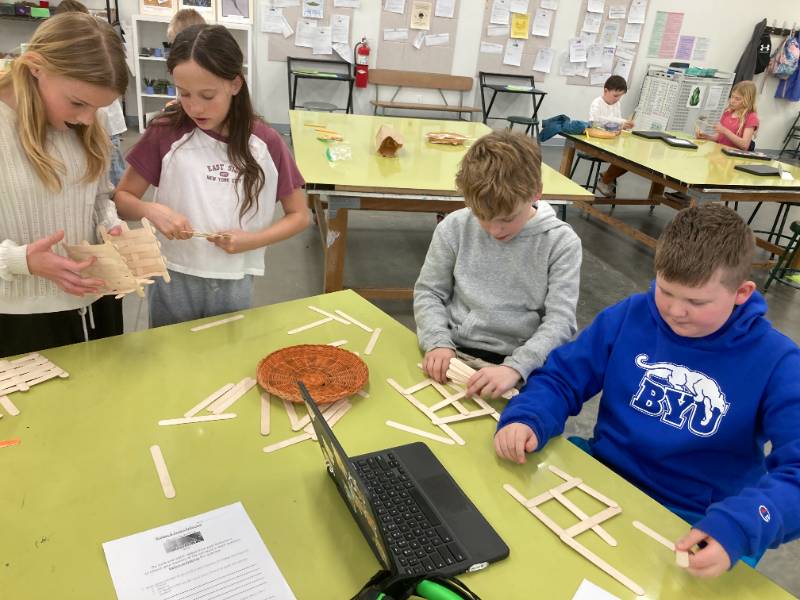
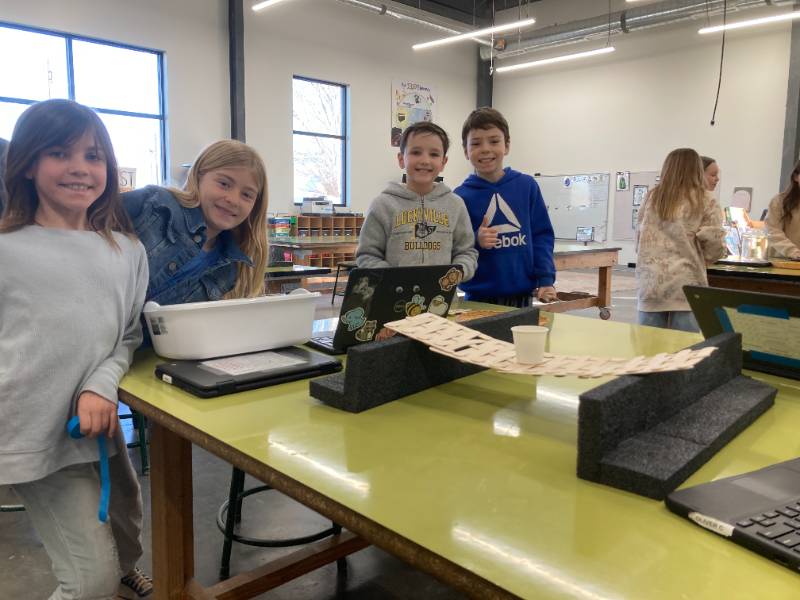
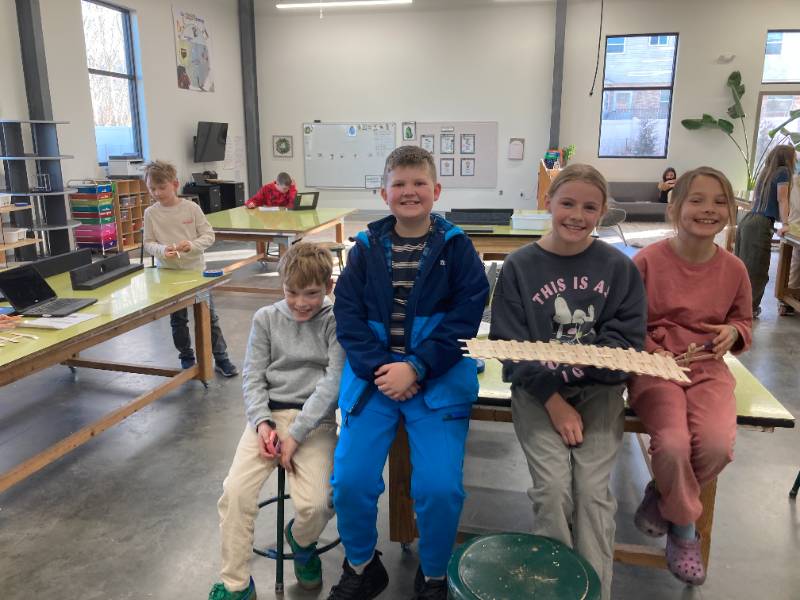
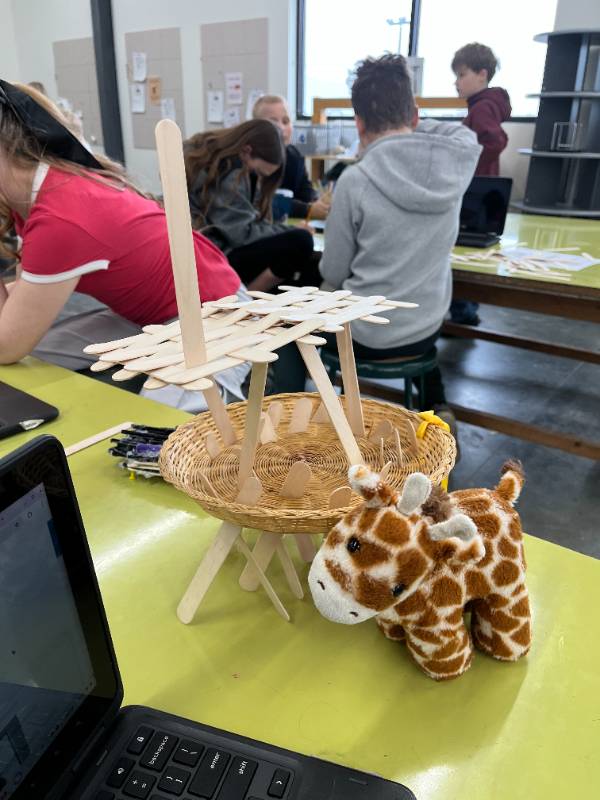
Tower challenges pushed thinking even further. With no instructions for going vertical, heroes experimented boldly—using friction from rugs, seams in the floor, and even the supply basket as part of their designs. Builds rose, collapsed, and rose again. The guiding question became: How can you think outside the box while being okay with trying again — and again? The answer showed up all around the studio. Builds rose, collapsed, were torn back down into piles of sticks, and rebuilt — repeatedly. What stood out most was the patience and “I wonder…” statements. By the end of Tower day, Heroes were calmly frustrated! Iterating, adjusting, and starting fresh without the frustration taking over. If you look closely at the photos, you’ll see the story of thinking outside the box: not just in the final structures, but in the willingness to begin again.
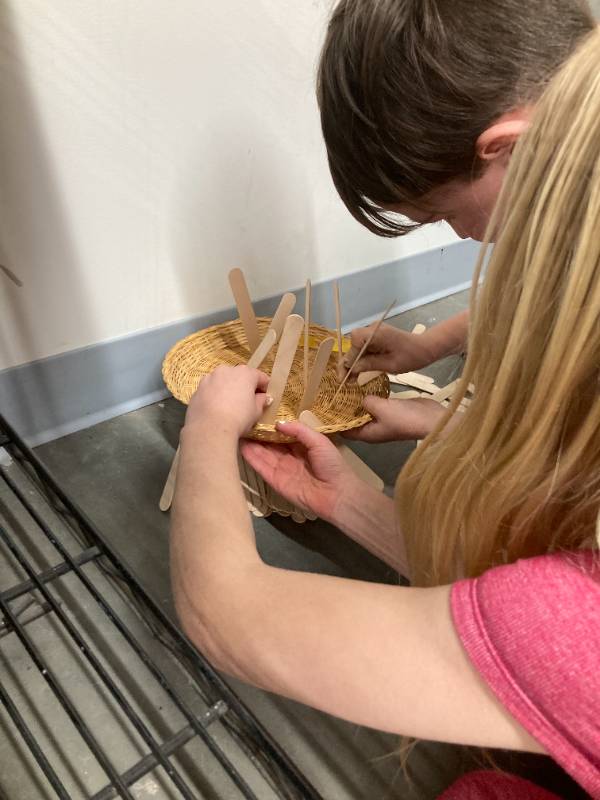
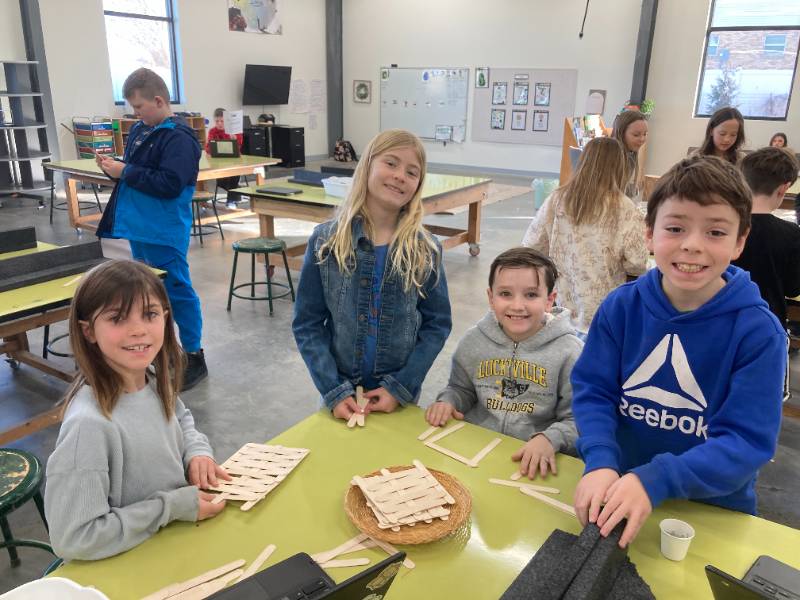
The week ended with heroes beginning the brainstorming phase for their Exhibition toy projects. Whether imagining entirely new toys or redesigning familiar ones, learners asked big questions about function, problem-solving, and possibility. This stage wasn’t about finding the “right” idea—it was about wondering, taking risks, and being brave enough to think differently.
In the DELTA Studio
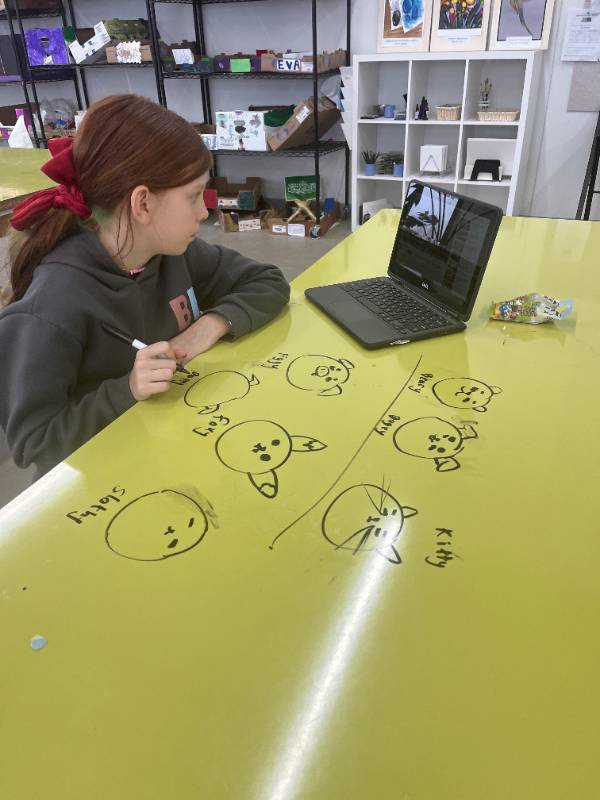
In Delta Studio, DS Quest scrum meetings became a regular rhythm, helping squads boost productivity, accountability, and intentional planning in just a few focused minutes.
Most heroes moved into studying vertebrates, comparing mammals, birds, reptiles, and more. As they applied this learning to their zoo projects, learners demonstrated careful observation and critical thinking—many of their creations were impressively accurate.
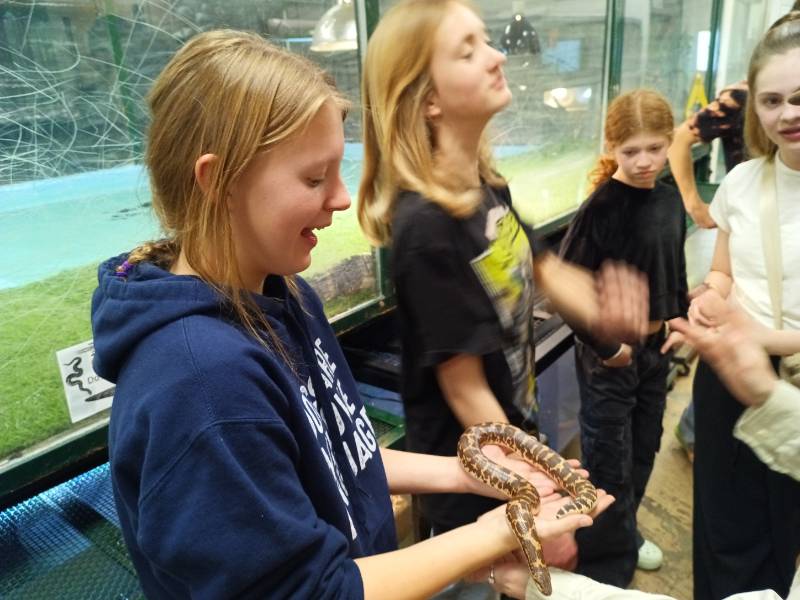
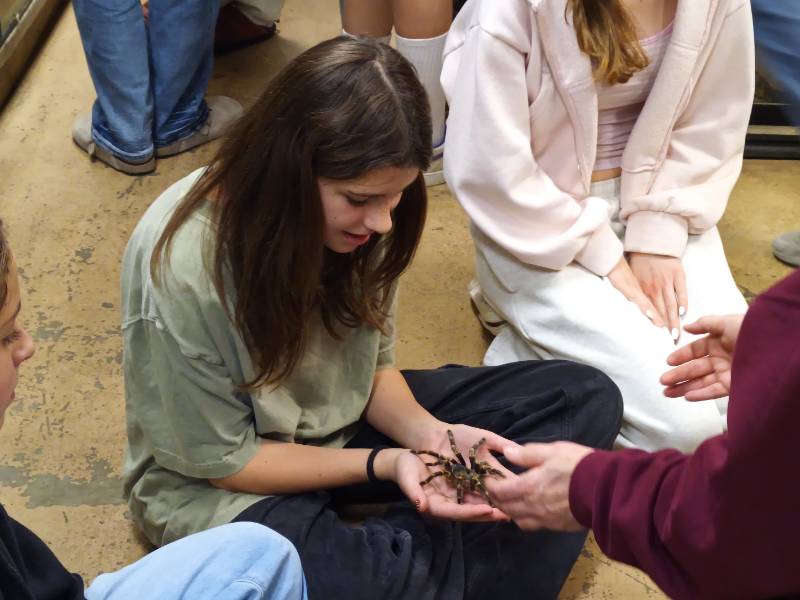
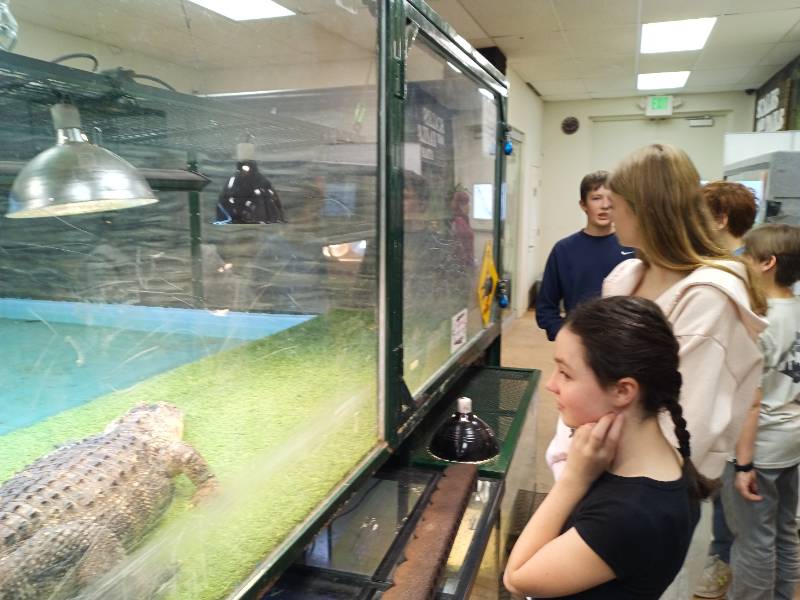
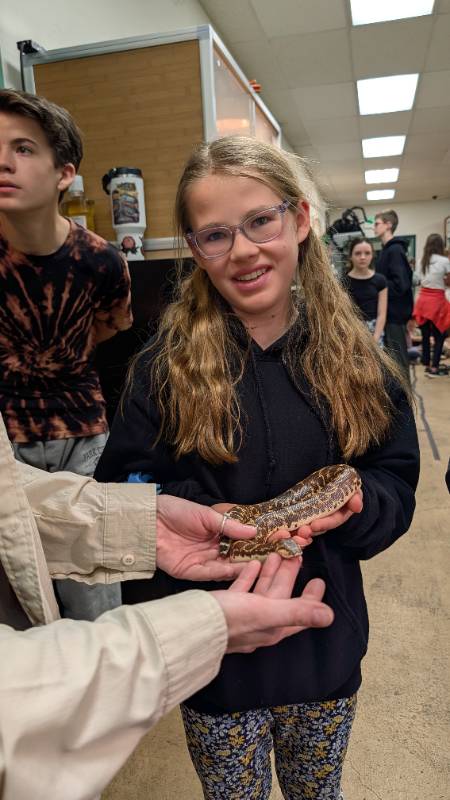
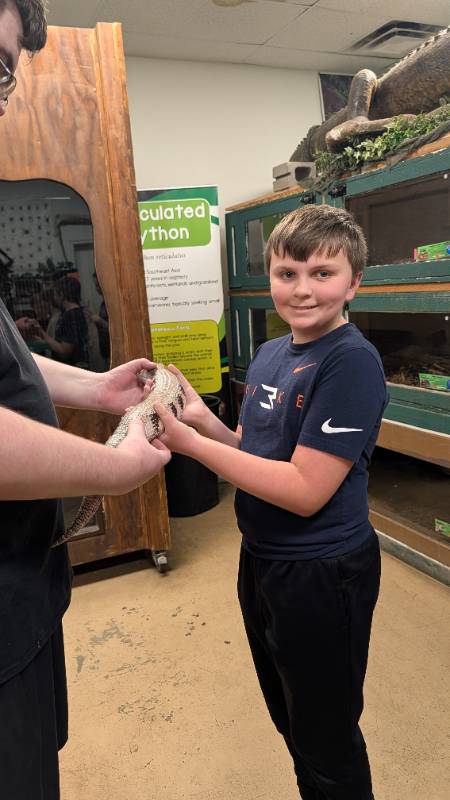
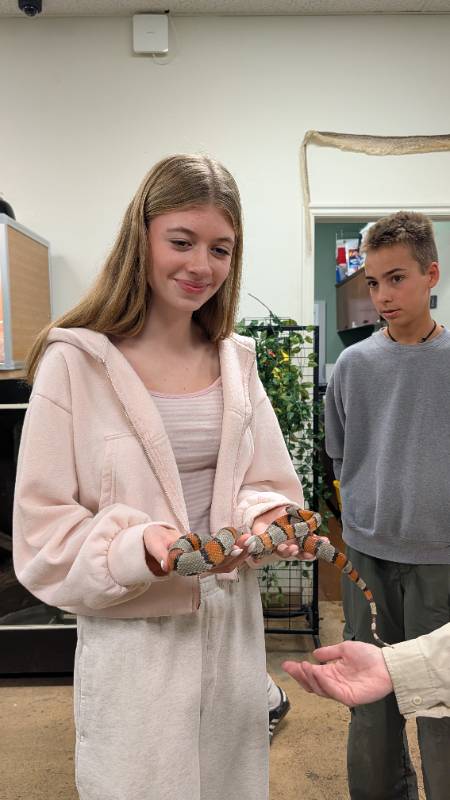
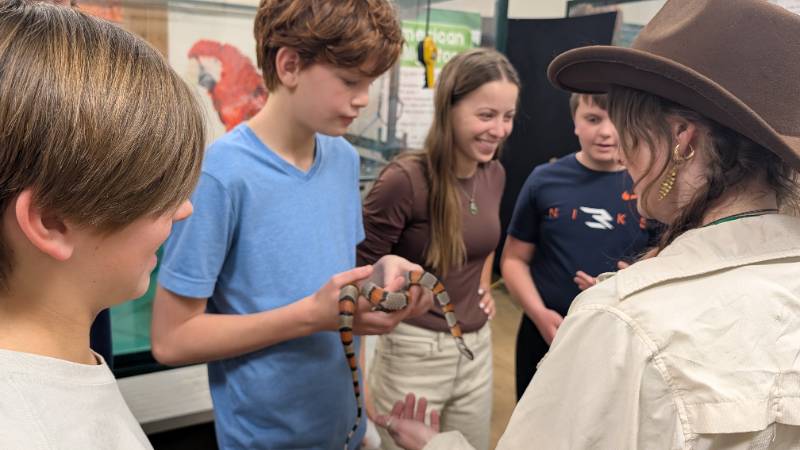
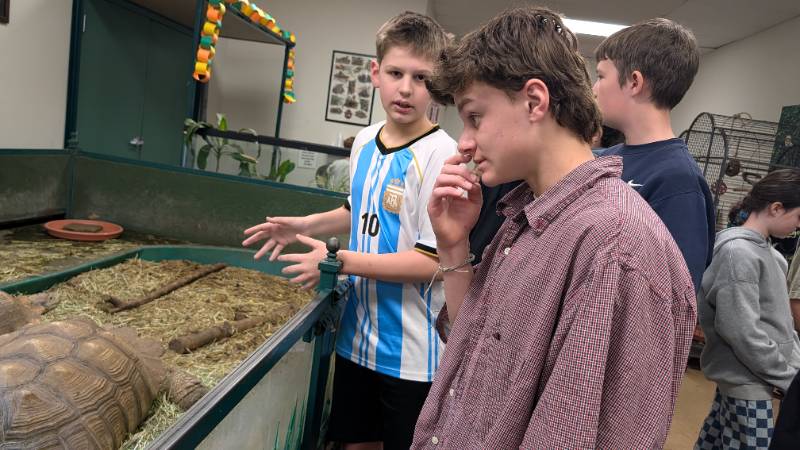
A highlight of the week was the Scales and Tails field trip, where heroes observed reptiles and birds up close and even had the chance to hold some. Seeing animals in real life deepened understanding and sparked curiosity in ways books alone cannot.
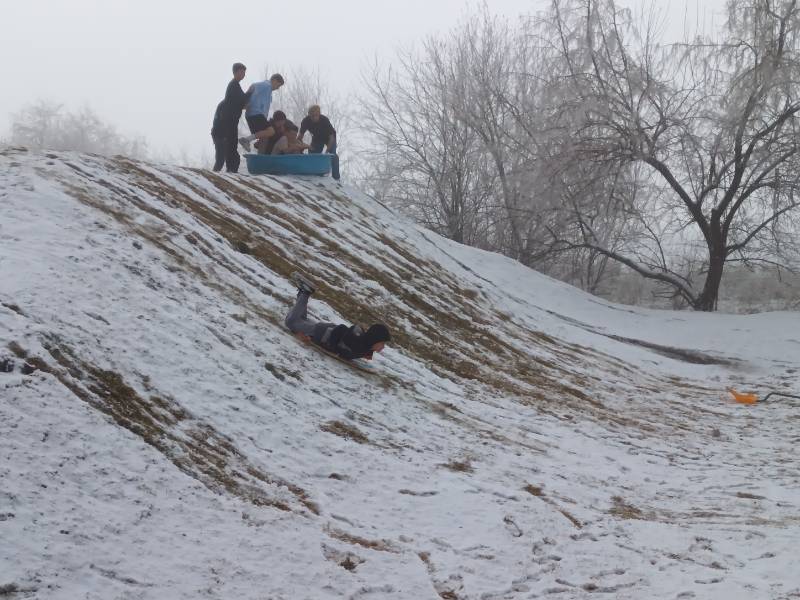
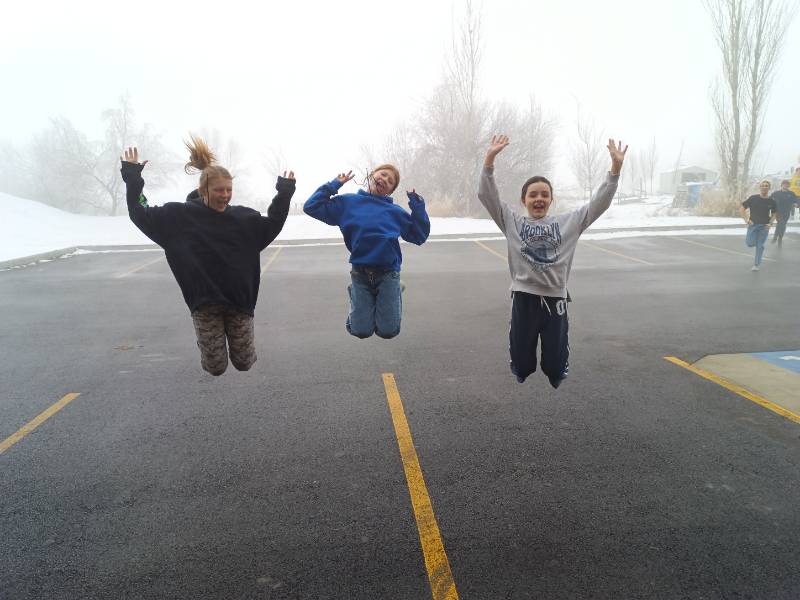
Winter made a brief appearance, giving heroes just enough snow to slide down the hill behind the school. Learners experimented creatively with what to slide on, while the foggy backdrop turned a simple afternoon into a memorable experience.
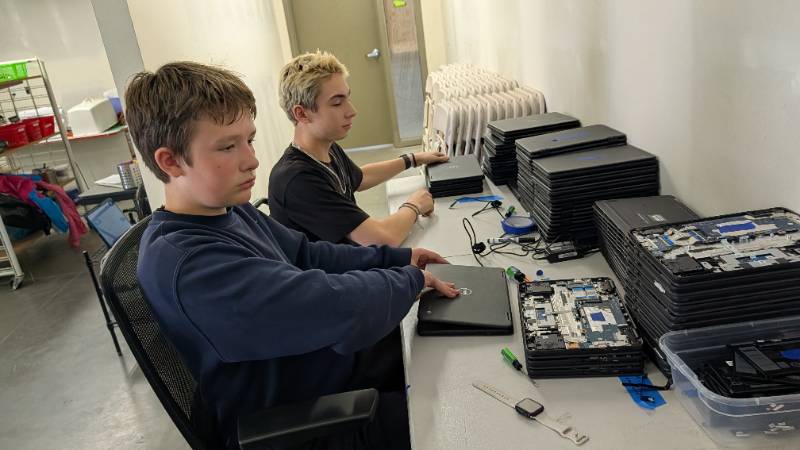
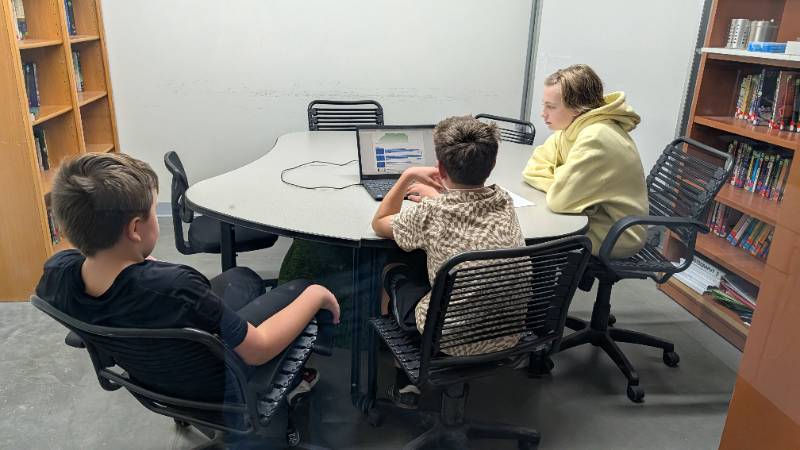
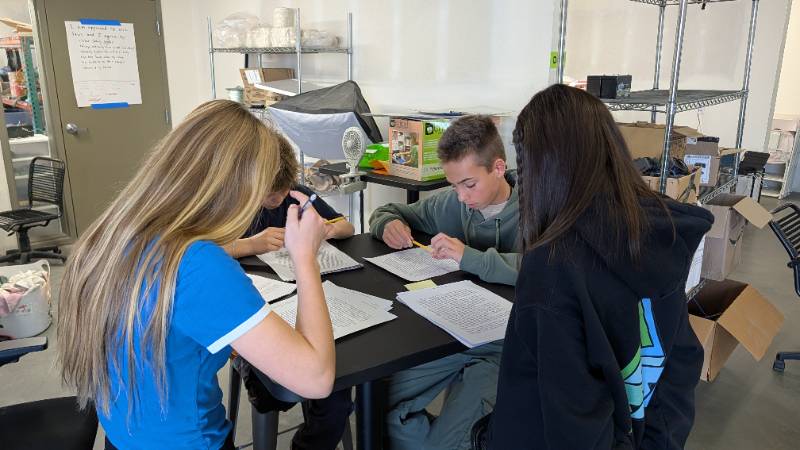
Delta heroes also practiced problem-solving by repairing Fire Studio Chromebooks, explored a new Stock Market Game as an exploratory work, and strengthened their writing skills by reading work aloud in writing squads—learning how hearing their own words can shift perspective.
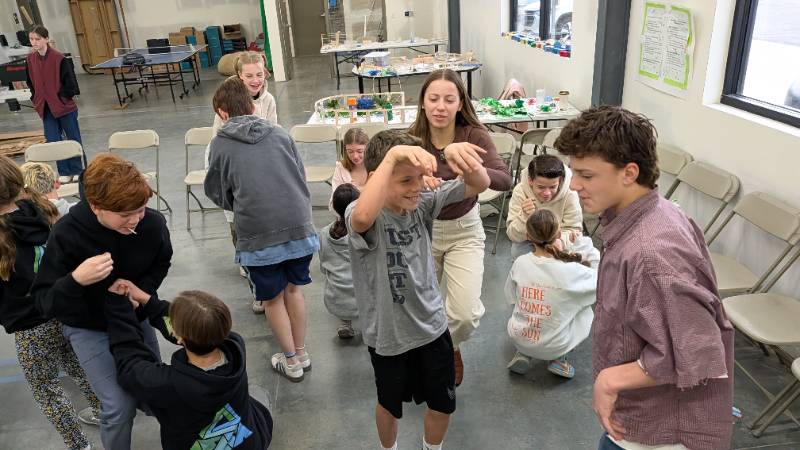
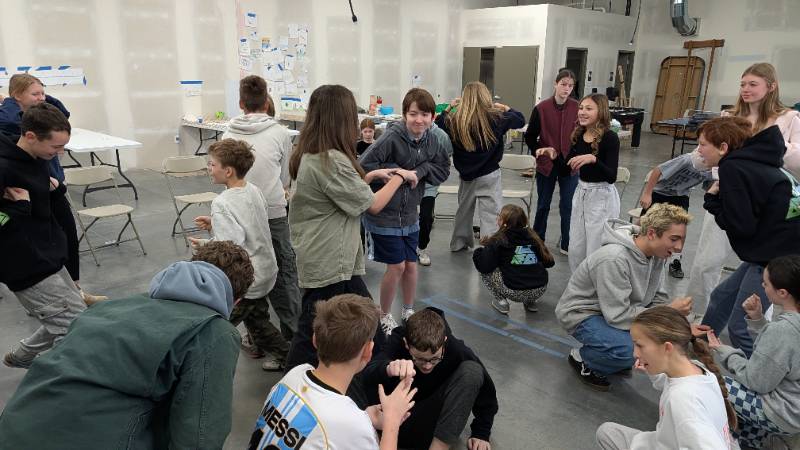
P.E included Tug of War and Fox Tails, a whole lot of laughter and some arguing.
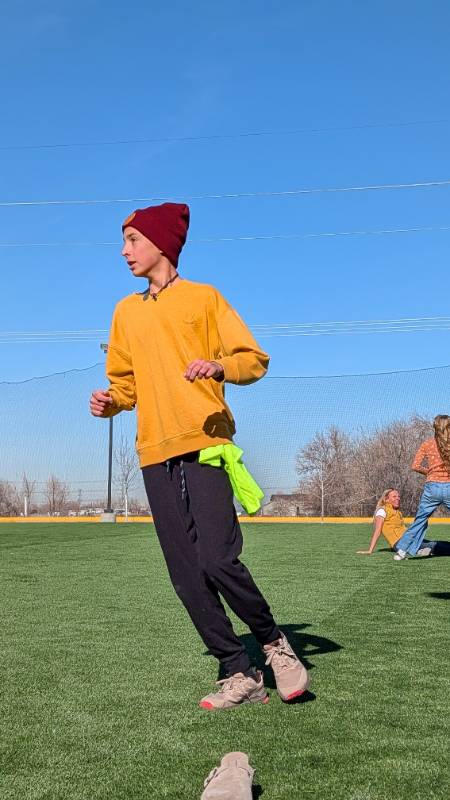
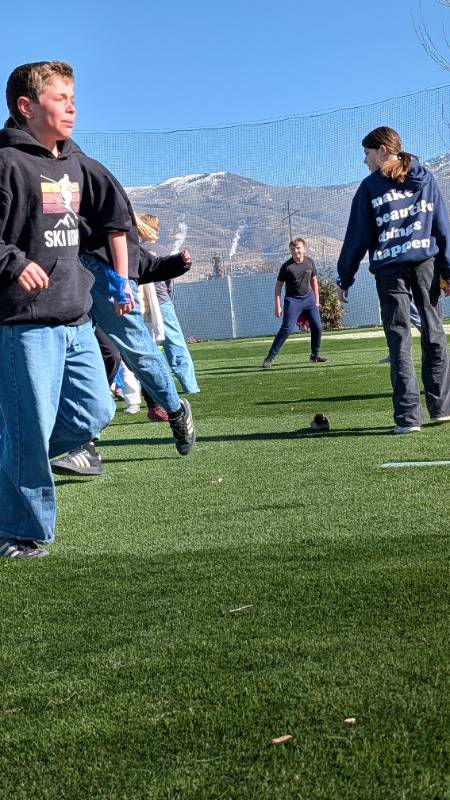
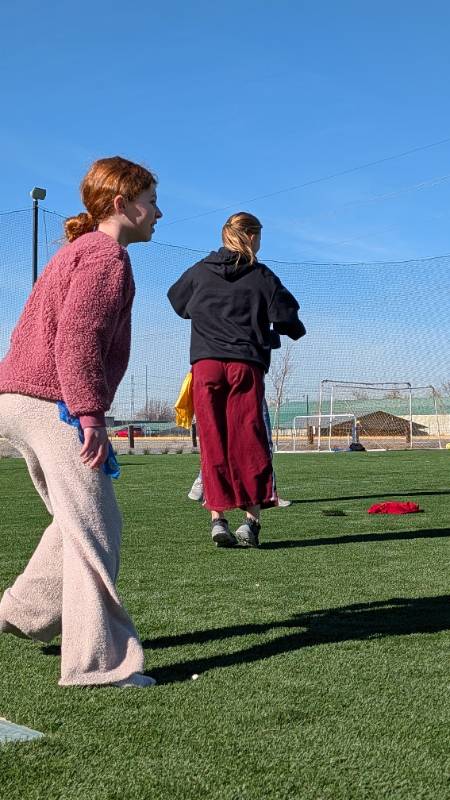
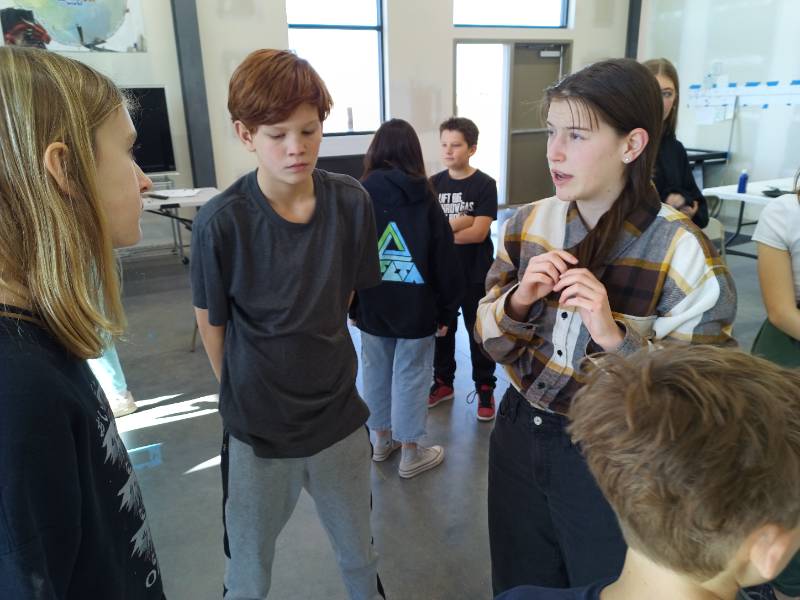
It led to the next morning’s thoughtful discussions about competition—its benefits, its downsides, and where creativity fits in. Is thinking outside the box in a game -clever or cheating? With strong opinions on both sides, splitting into smaller discussion groups is encouraging every hero to share their voice.
This week reminded us that learning isn’t about having all the answers—it’s about being willing to think deeply, try bravely, and reflect honestly. Across every studio, heroes practiced stretching their thinking, embracing challenges, and discovering that growth often happens when things don’t go exactly as planned. These are the habits that prepare learners not just for the next level of school, but for a lifetime of thoughtful, creative problem-solving.