Session 5 Week 3
Two of the most recognizable slogans in the world come from two very different brands: Nike’s “Just Do It” and McDonald’s “I’m Lovin’ It.” One calls us to push through hard things whether we feel like it or not, and the other celebrates the joy of the experience itself. This session’s question explores that tension in many different applications: Which is more important—learning to love doing hard things, or learning to love the hard things you are doing? Do you tackle the hardest challenge first, or save it for later? When do you switch between determination and enjoyment? And when you’re firmly in “Just Do It” mode, finding your why can make all the difference. We saw applications of all these questions this week.
In the Spark Studio
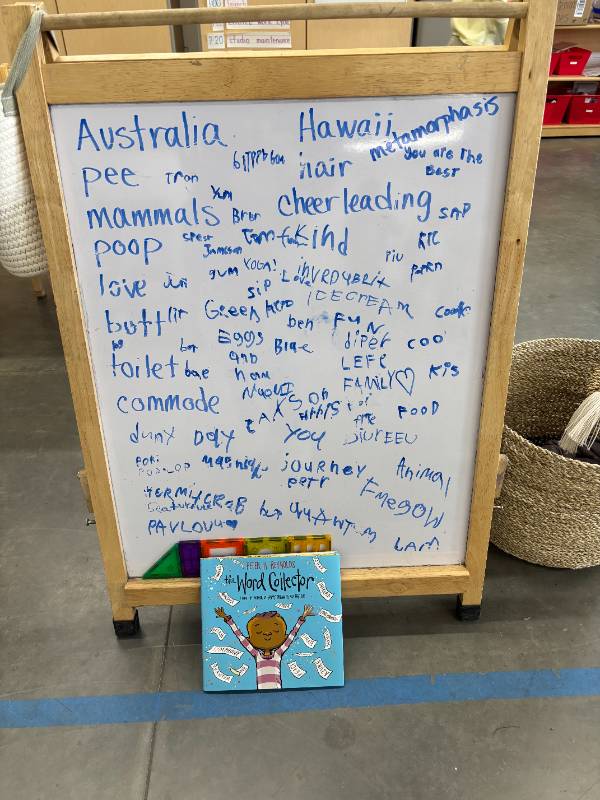
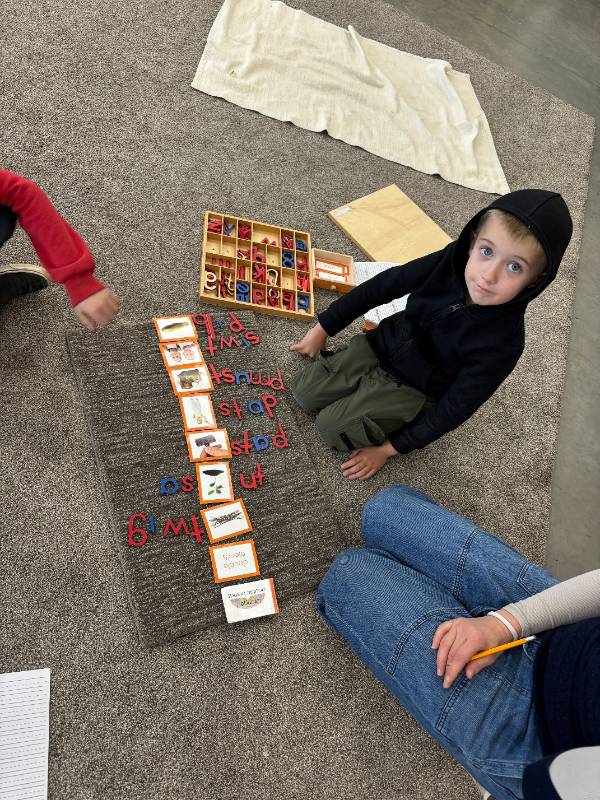
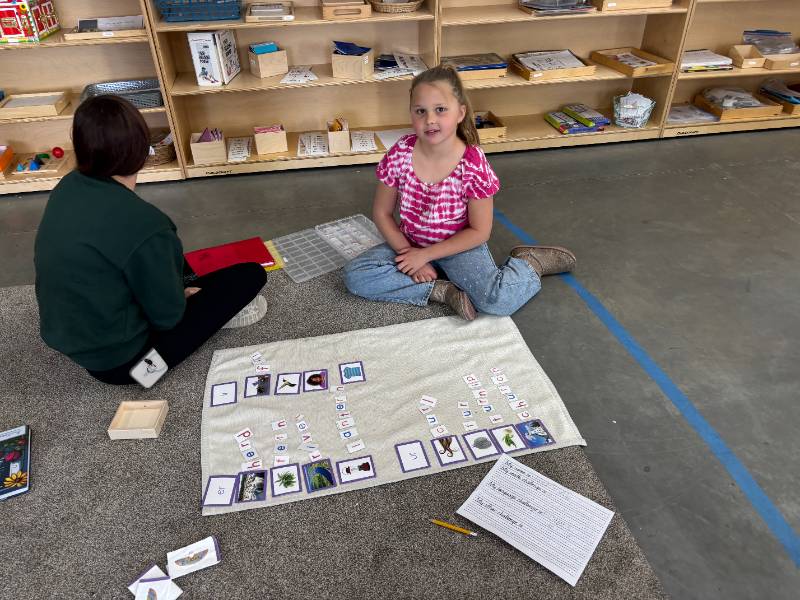
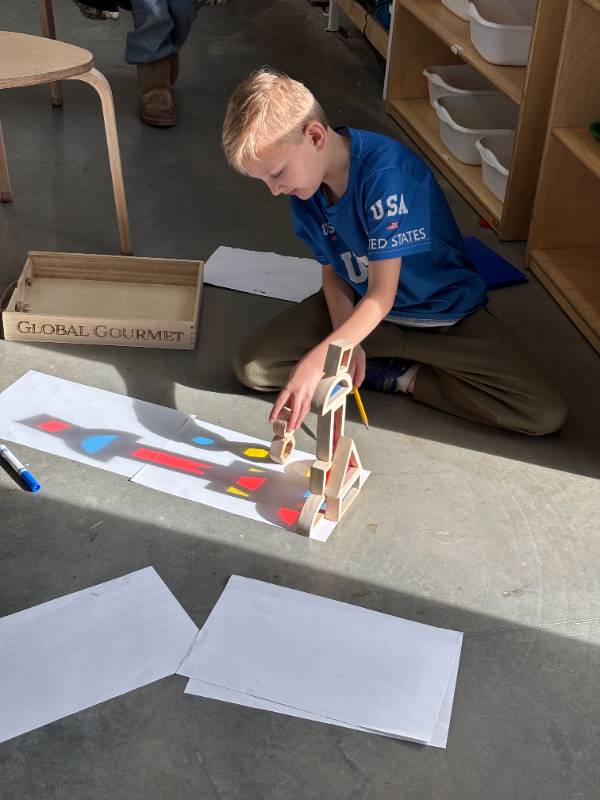
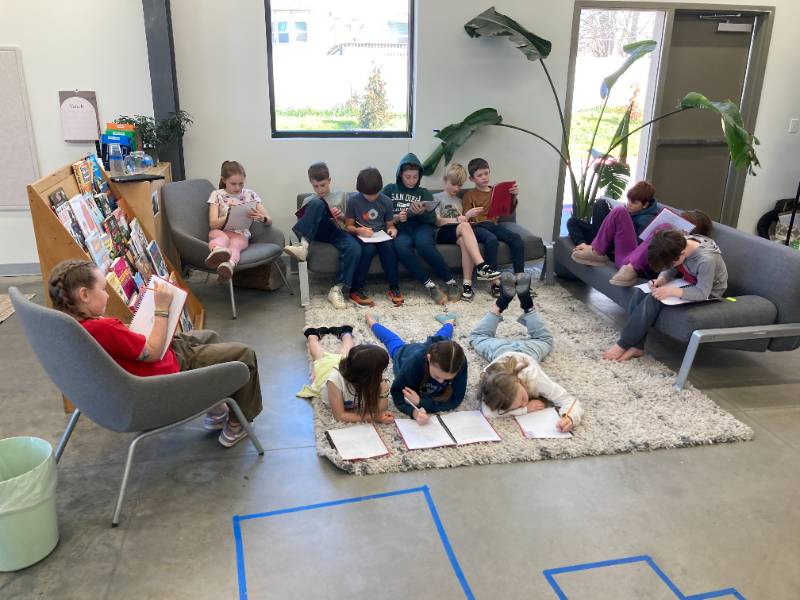
Spark heroes explored how they handle challenges. Do they turn it into a game and make it fun? Or do they push through and just do the hard thing? One of the biggest challenges Sparks heroes take on is learning to read. To help make sense of the words all around us, the heroes began collecting words together, inspired by the book The Word Collector by Peter H. Reynolds. We started with words that were fun to say, long words, powerful words, and brand-new words. Throughout the day heroes kept adding words.
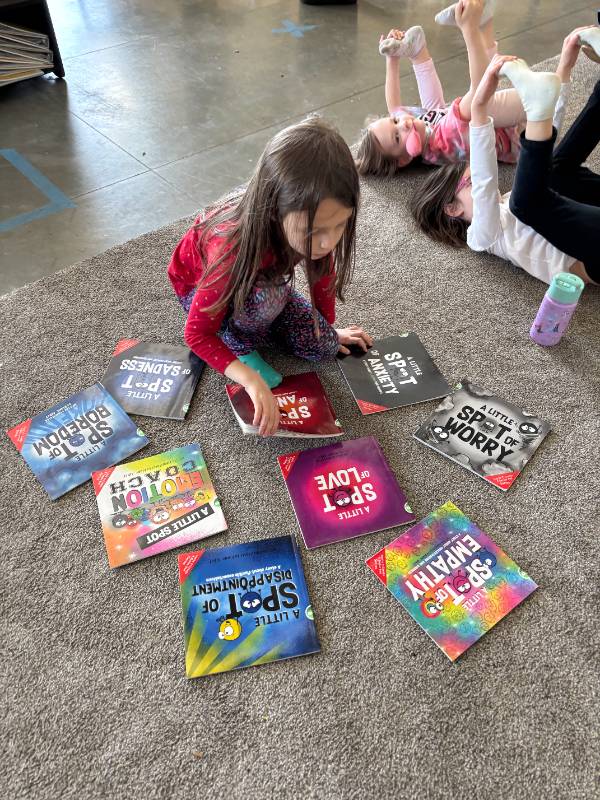
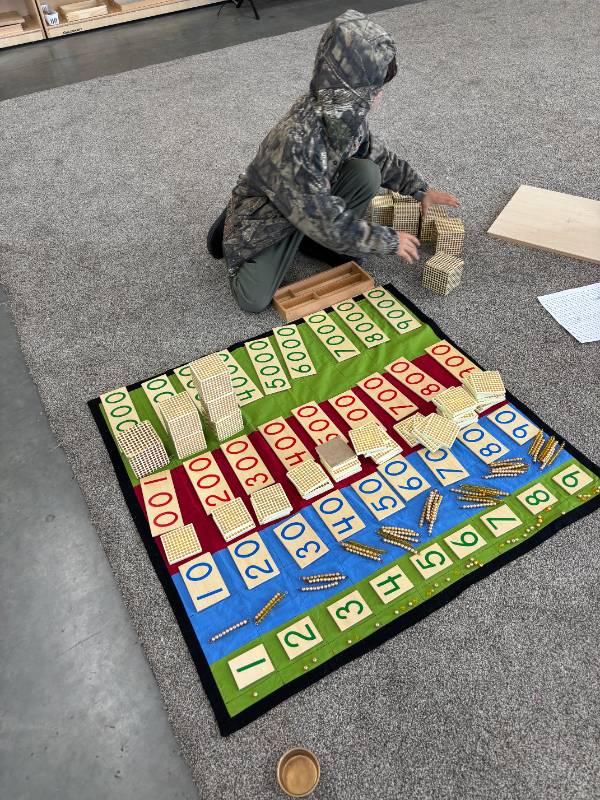
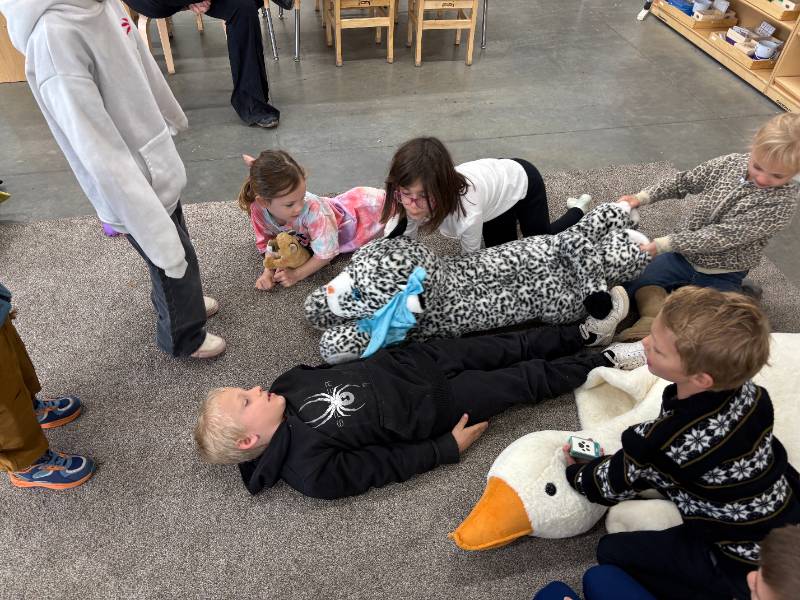
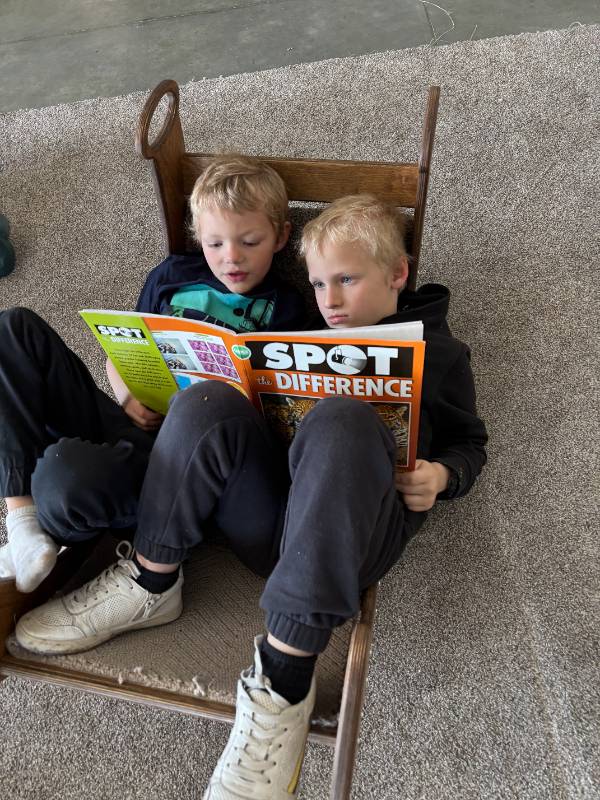
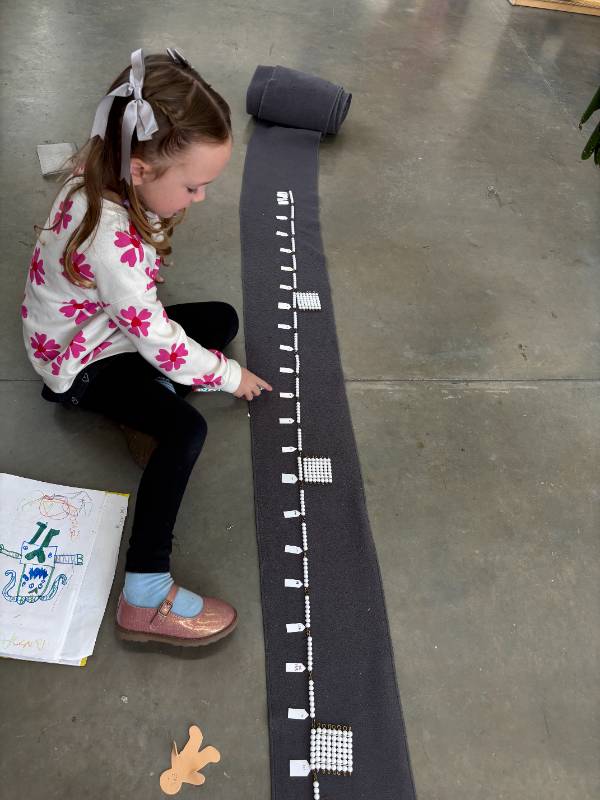
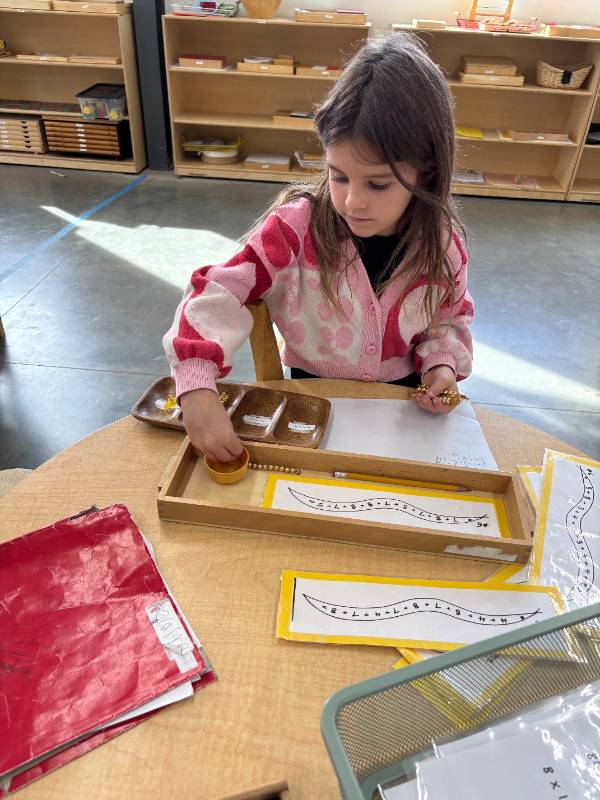
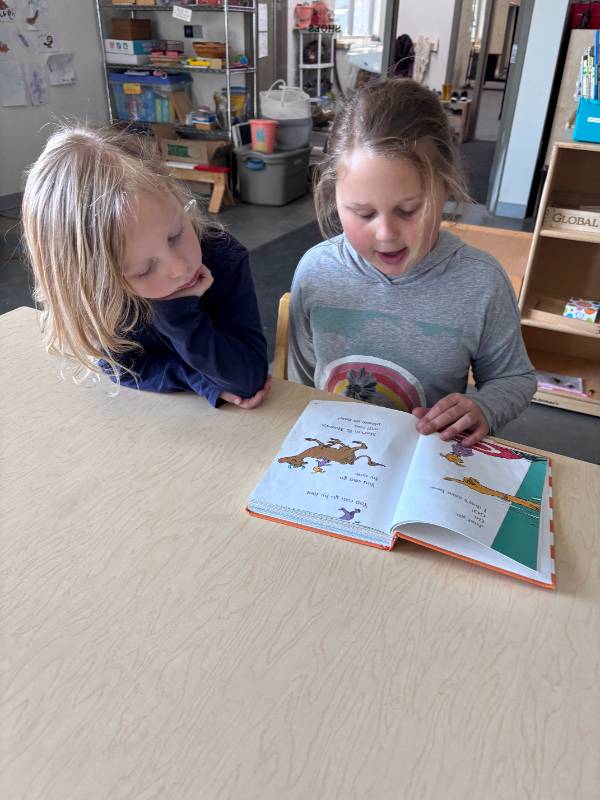
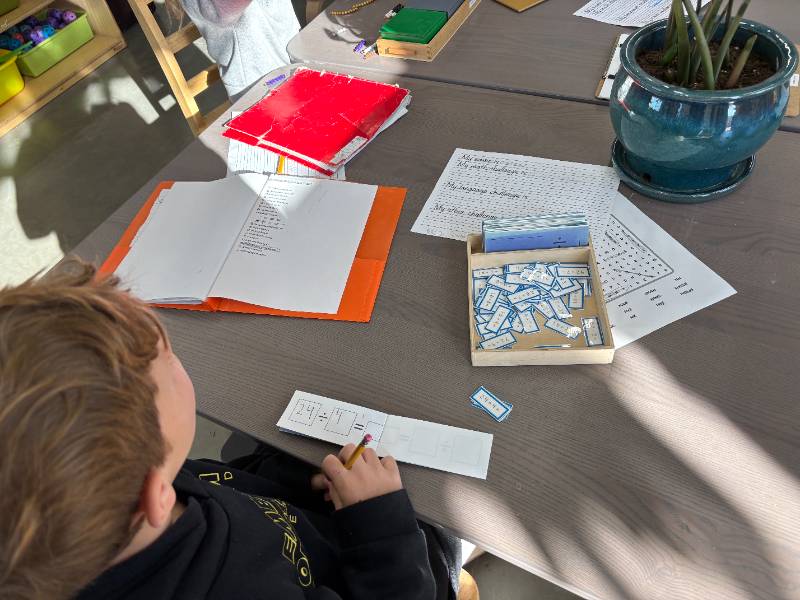
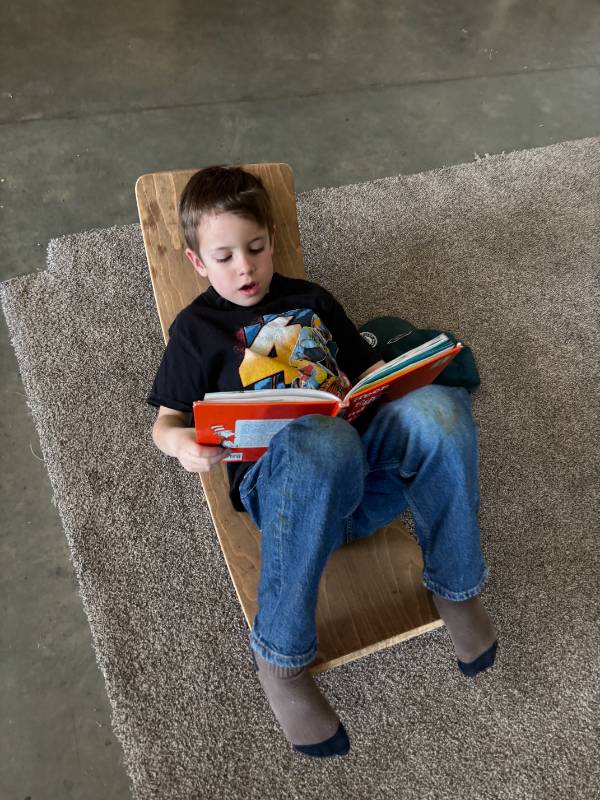
The Spark heroes also spent time tackling other challenging work throughout the week. They practiced skip counting with long bead chains, explored the Waseca language drawers, used their bodies as measuring tools, and dove into books from the library.
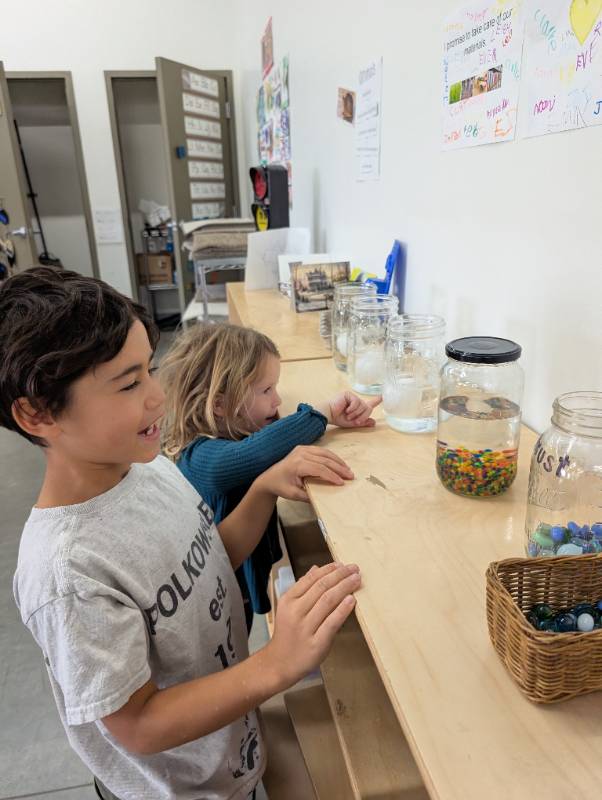
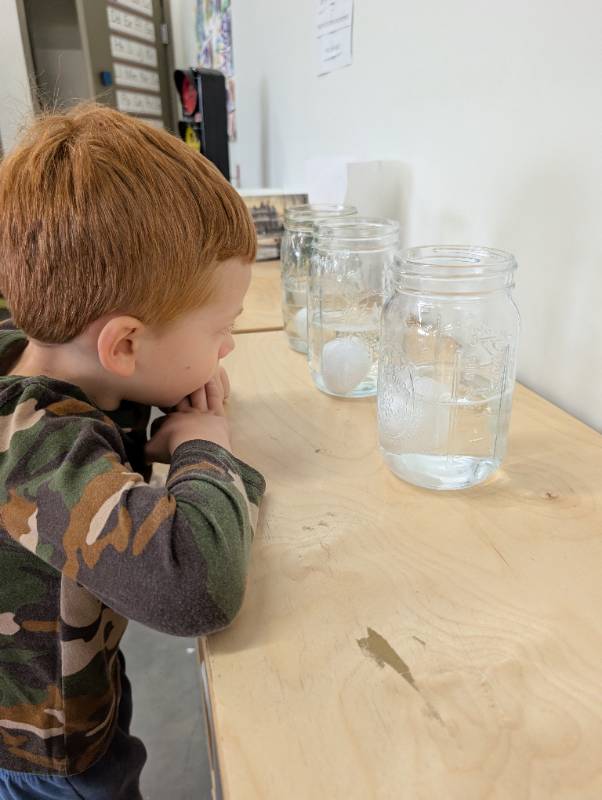
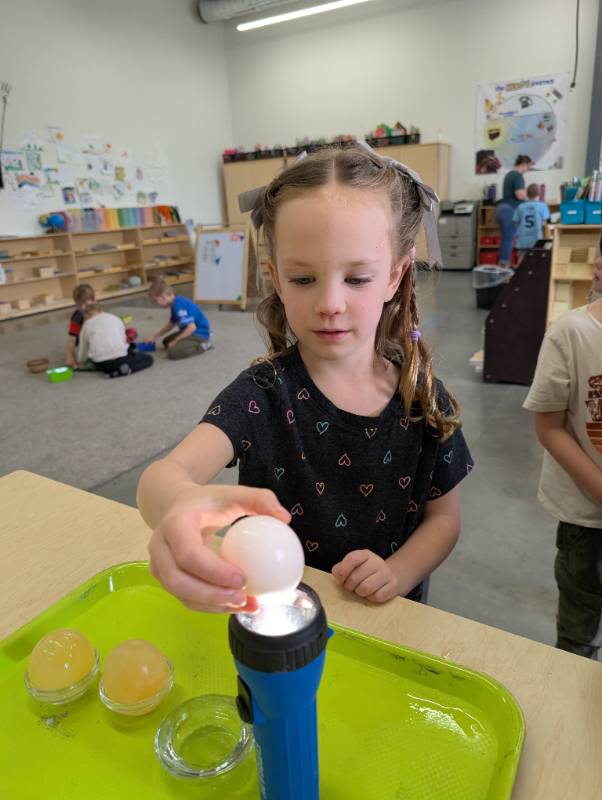
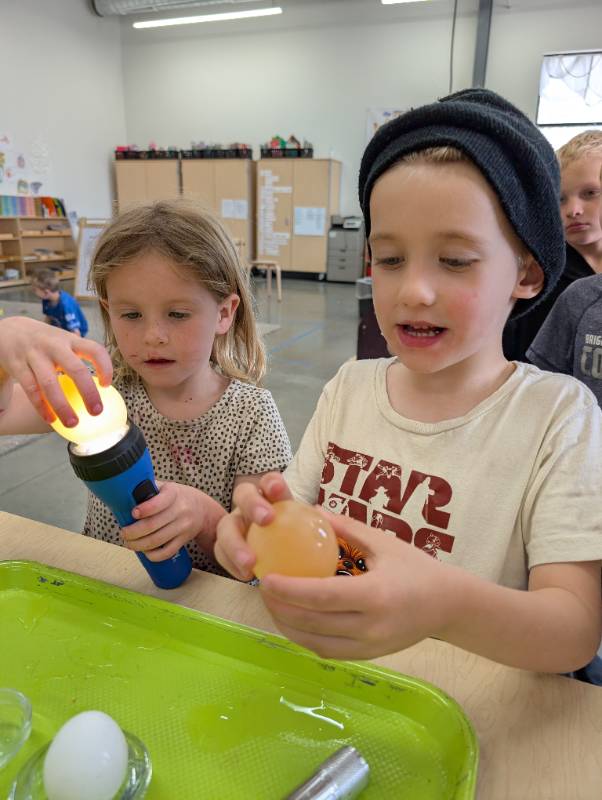
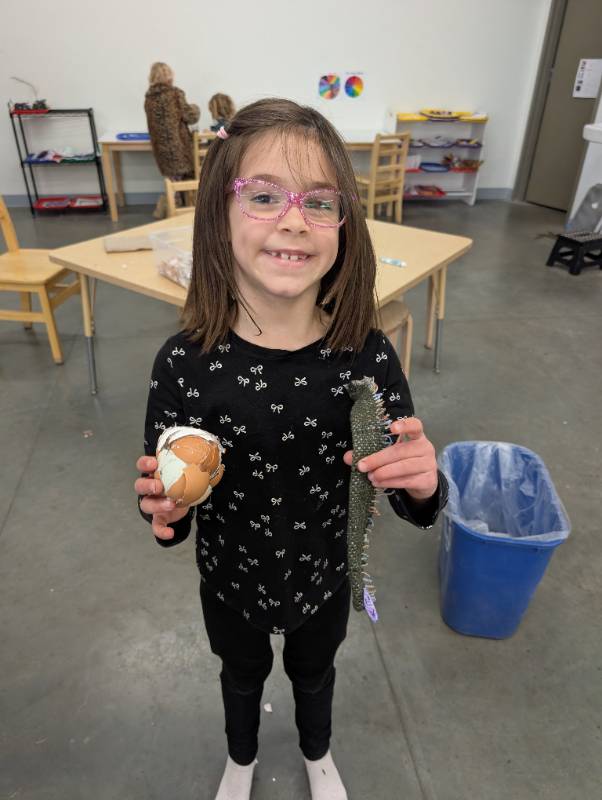
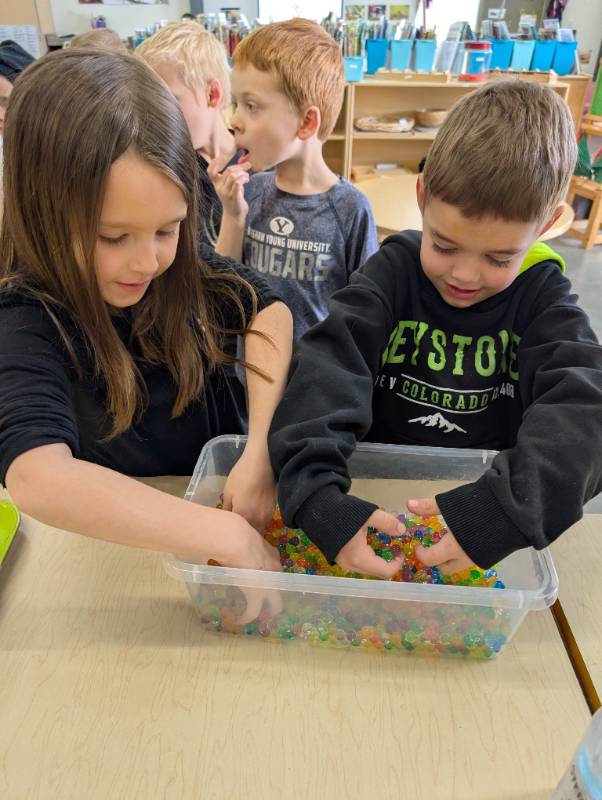
To start the week, Sparks focused on reptiles and amphibians, learning how their bodies adapt to different habitats and exploring their life cycles. Heroes recreated frogspawn by adding orbeez to warm water and simulated snake eggs by placing chicken eggs in jars with vinegar. After two days of observation, the eggs had become soft and transparent, allowing heroes to see the yolk inside. One hero noticed that the orbeez started hard and became soft, just like the eggs. Another pointed out that both the orbeez and the eggs grew larger. Scientific discovery often begins with simply observing carefully—and sometimes that curiosity turns “Just Do It” experimentation into “I’m Lovin’ It” discovery.
The conversation then turned to the human life cycle. Heroes discussed how growing up often means being able to do things you couldn’t do before. Many of those new abilities begin as difficult challenges—but over time, practice and persistence transform them into skills we enjoy and feel proud of.
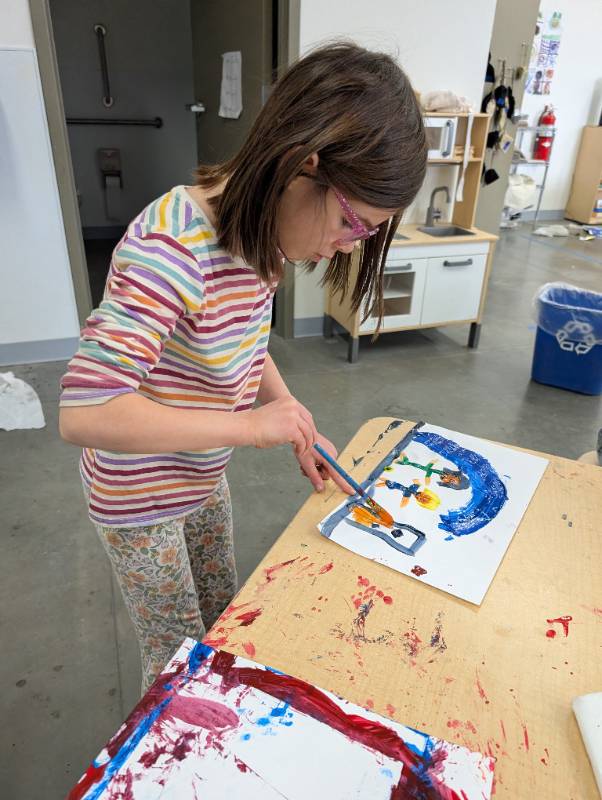
To wrap up the week, Sparks explored the surrealist artist Joan Miró. They talked about how surrealists take ordinary objects and make them a little strange—much like dreams do. Many heroes chose to paint scenes from their own dreams, sharing stories about funny, surprising, and sometimes very strange nighttime adventures.
In the Fire Studio
This week’s session question—I’m Lovin’ It or Just Do It?—sparked great conversation in Fire Studio as heroes adjusted to changes in core skill goal tracking and schedules. Some heroes are truly lovin’ the new weekly “bingo” style goal sheets, while others are more firmly in the Just Do It camp. Either way, the growth has been impressive. We celebrated many badges this week, including math, reading, Amira, writing, and heroic habit badges. As the session continues, the momentum toward core skill goals is building.
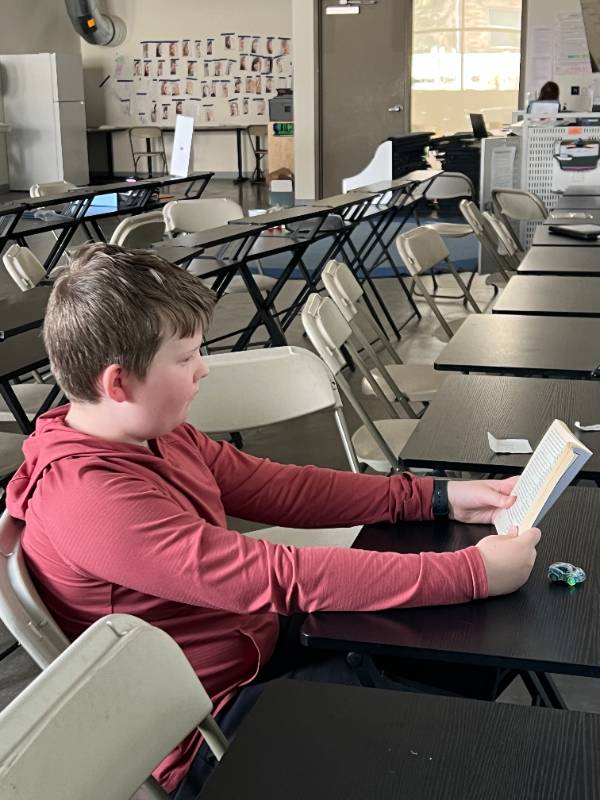
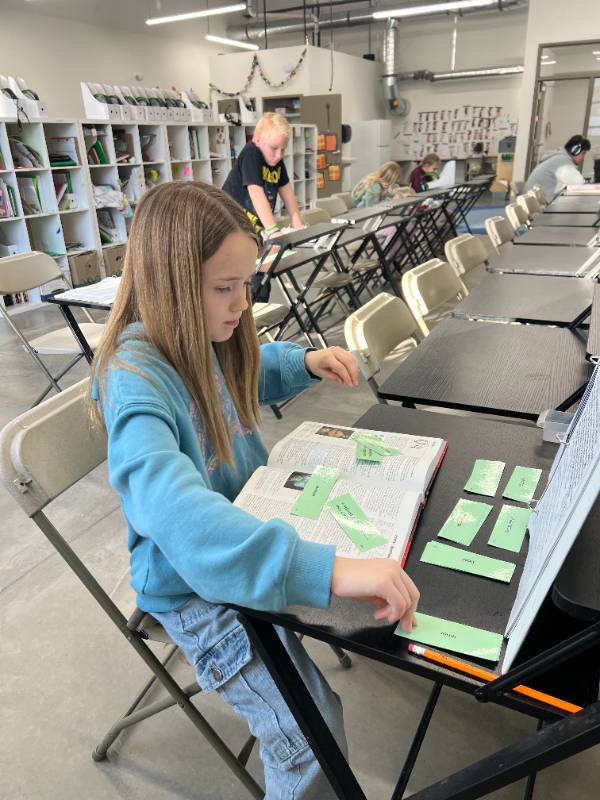
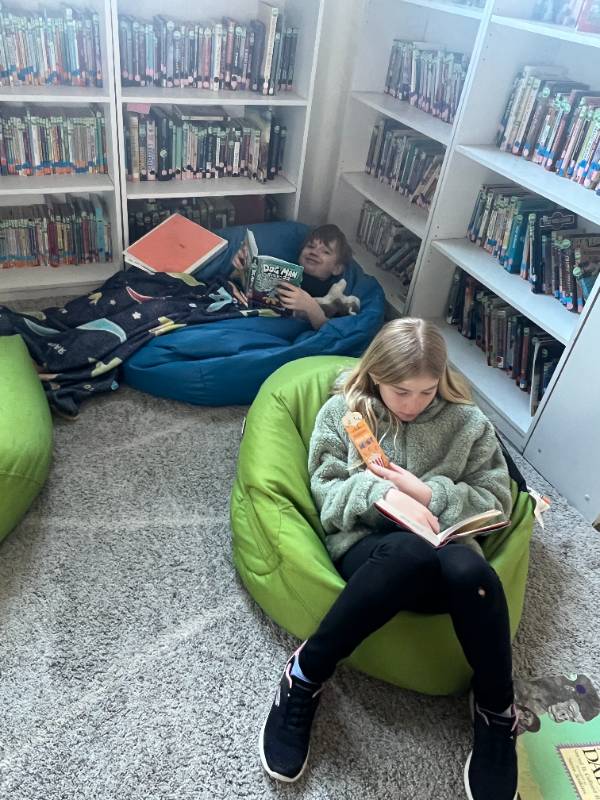
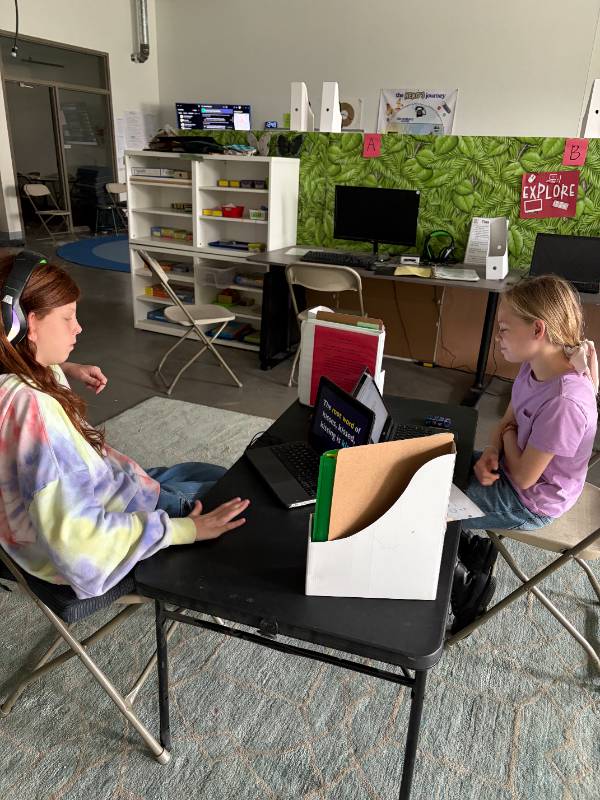
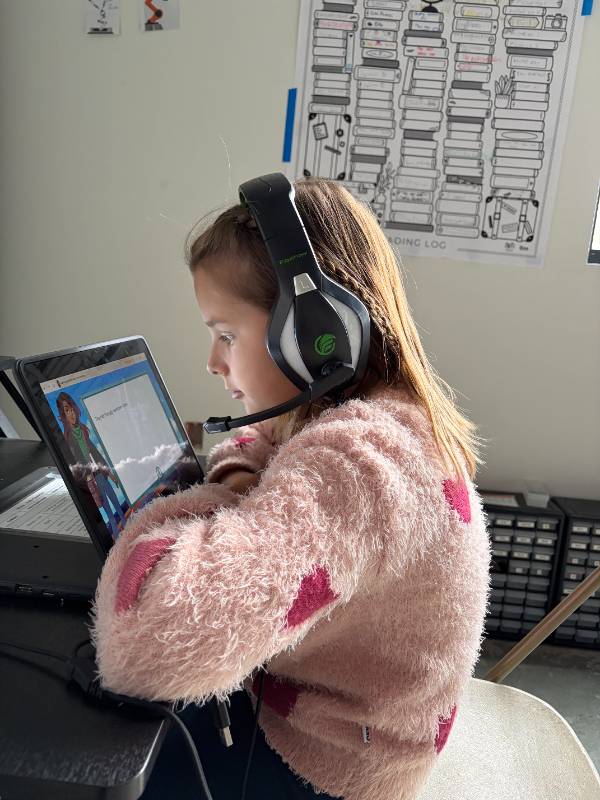
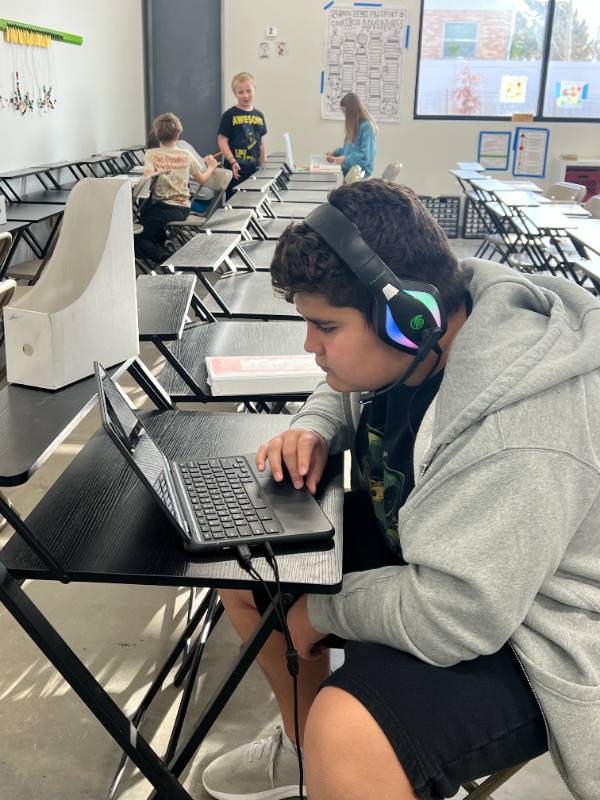
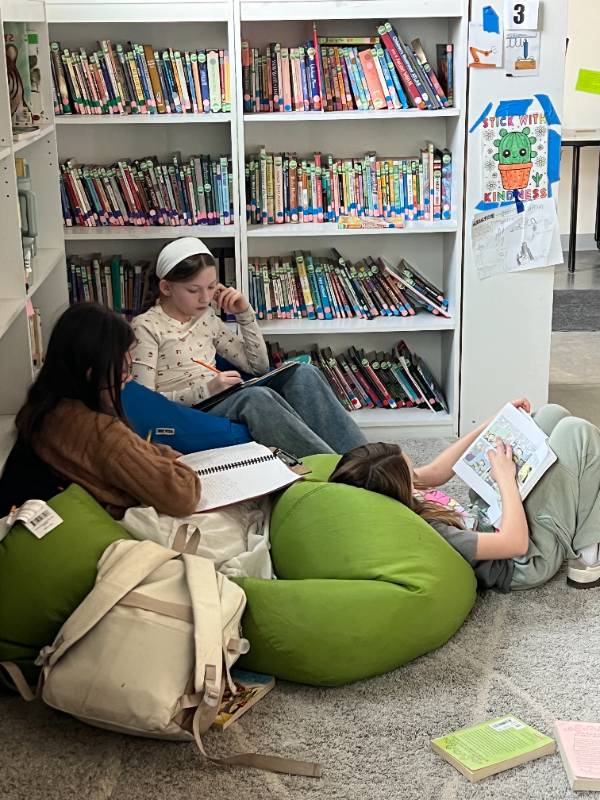
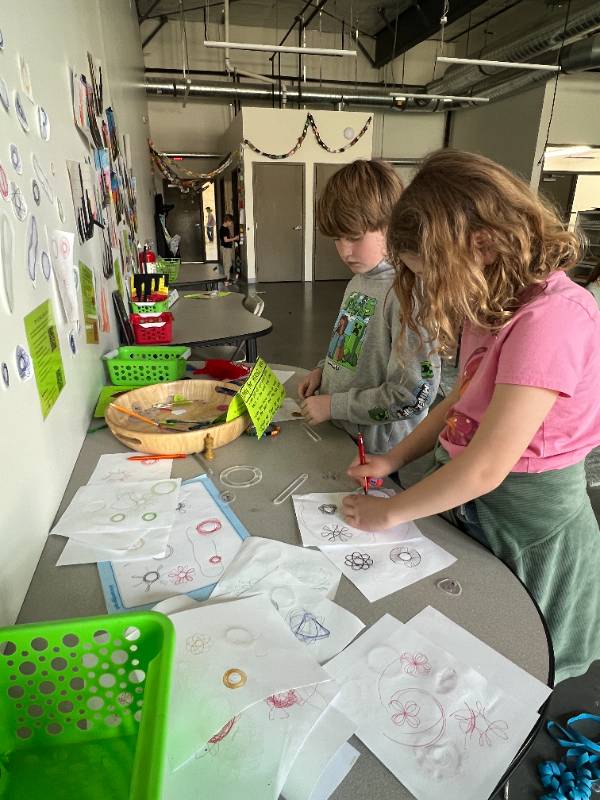
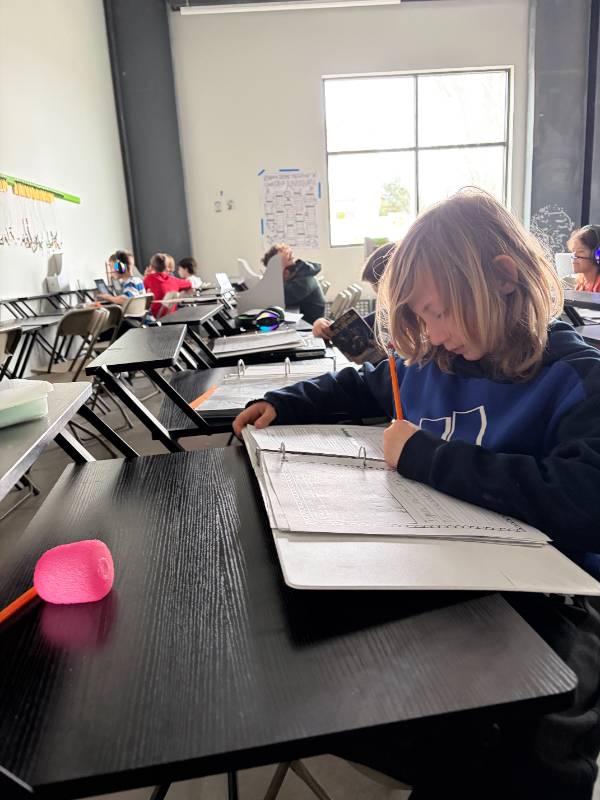
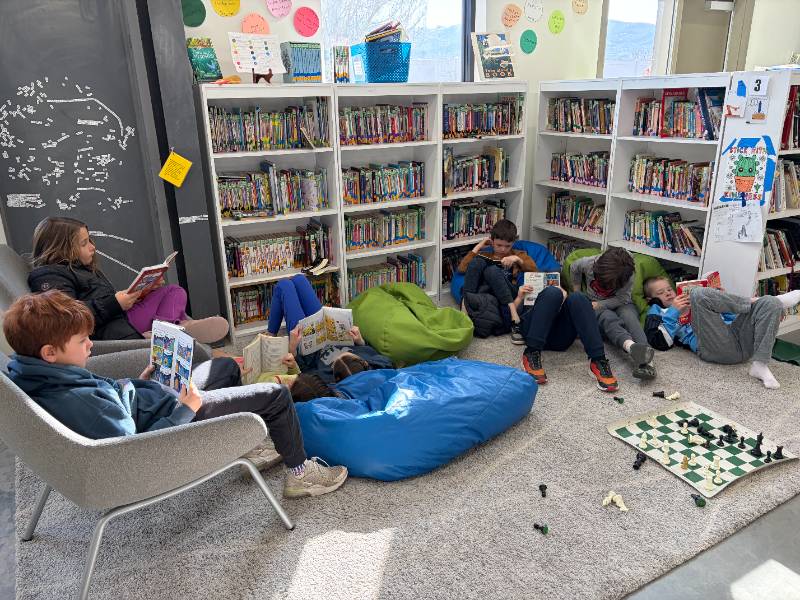
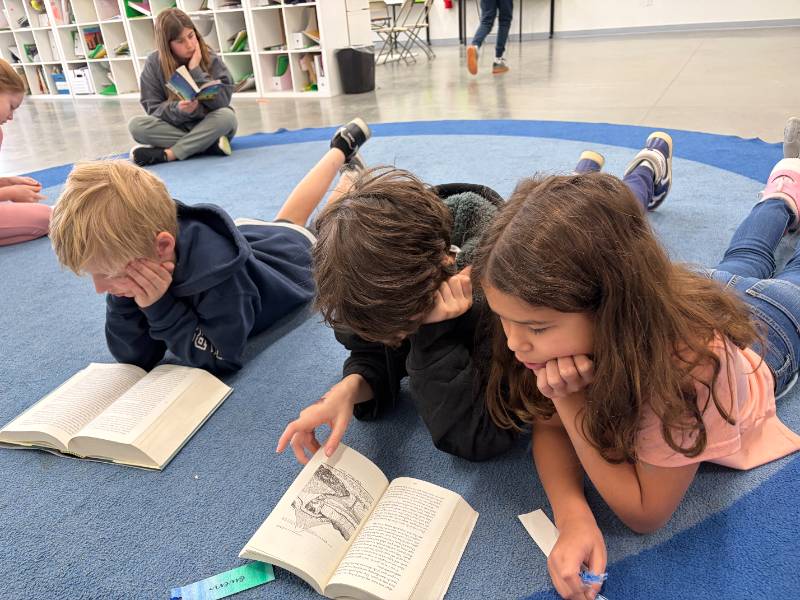
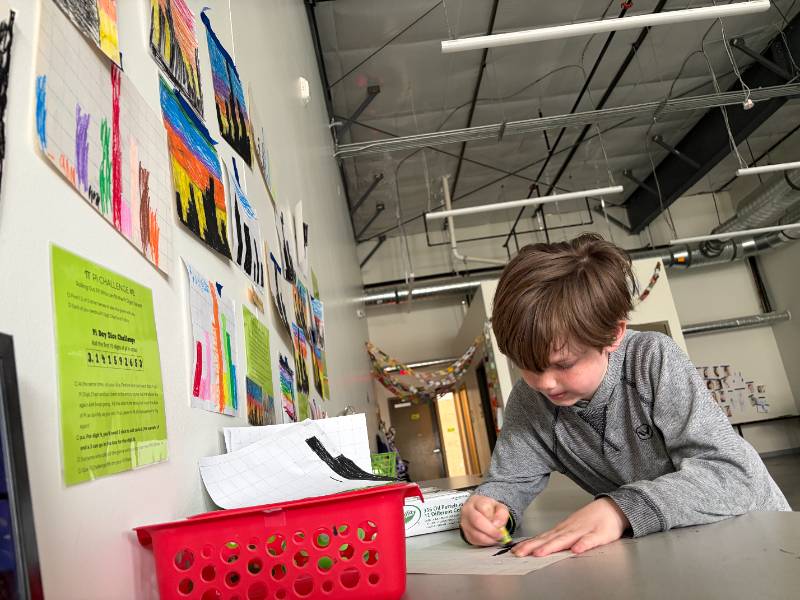
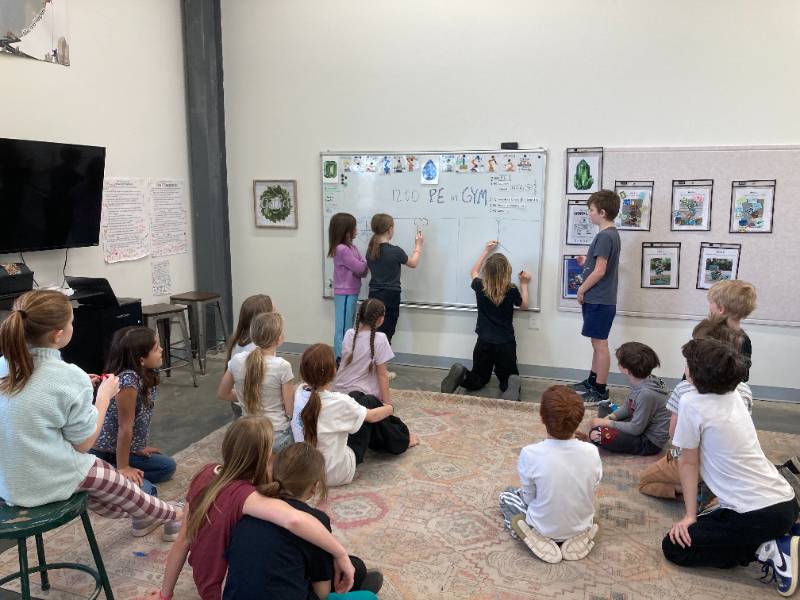
The session question was introduced through a Nike advertisement asking a simple but powerful question: “Why not do it?” Heroes discussed the many reasons people avoid tasks—usually because of small details or mundane steps—and also explored the reasons we should do them anyway. Later in the week, the conversation continued with the idea of “eating your frogs.” Each hero chose one goal that felt big, unpleasant, or intimidating. Once they completed that goal, they earned the right to draw a frog on the whiteboard. The activity helped heroes experience the satisfaction that often follows pushing through a task they initially didn’t want to do.
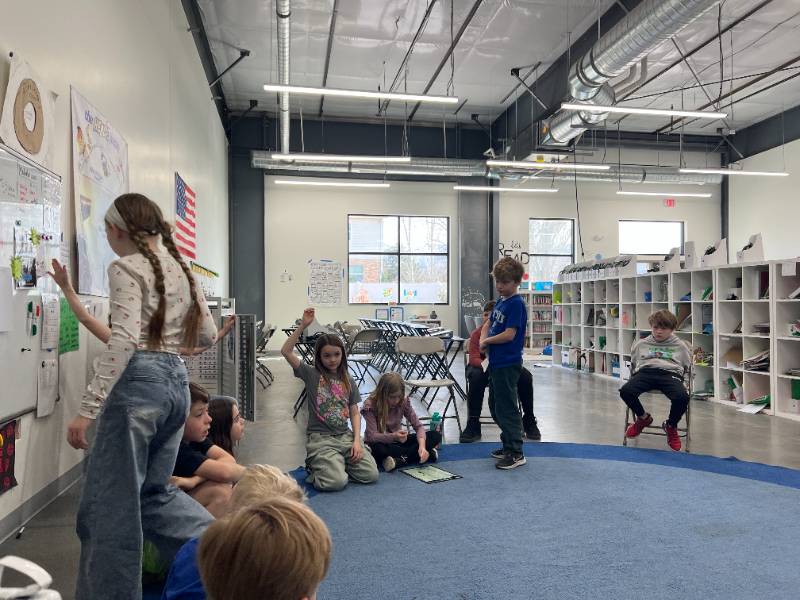
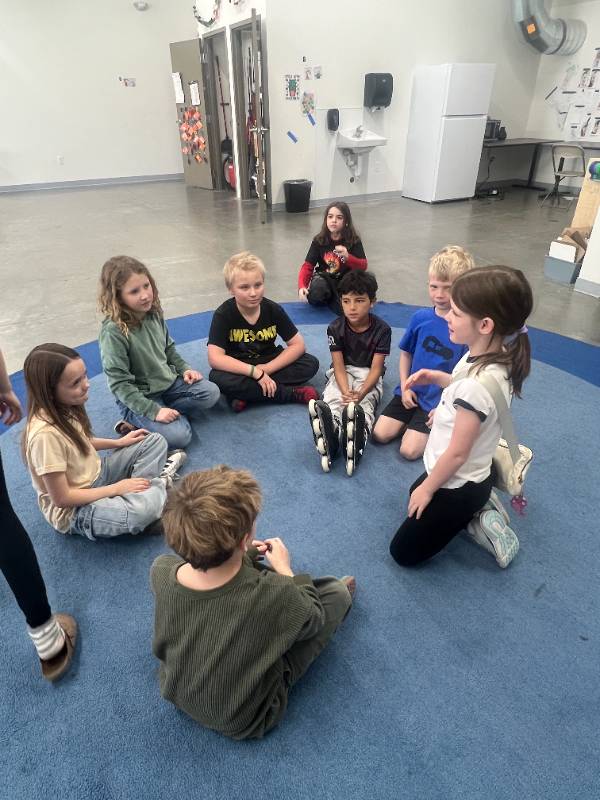
That lesson showed up in a practical way when many Fire Studio heroes stepped up to help with studio maintenance. With several heroes absent, others noticed the need and volunteered to fill in. One hero even completed three to four extra jobs. Taking ownership of the studio means handling the repetitive cleaning tasks—but many heroes discovered pride and satisfaction in keeping their environment clean and welcoming.
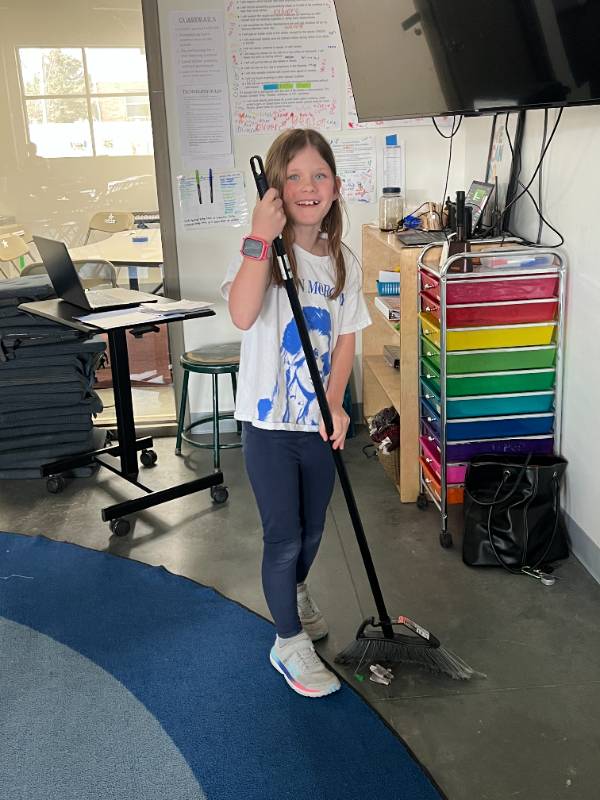
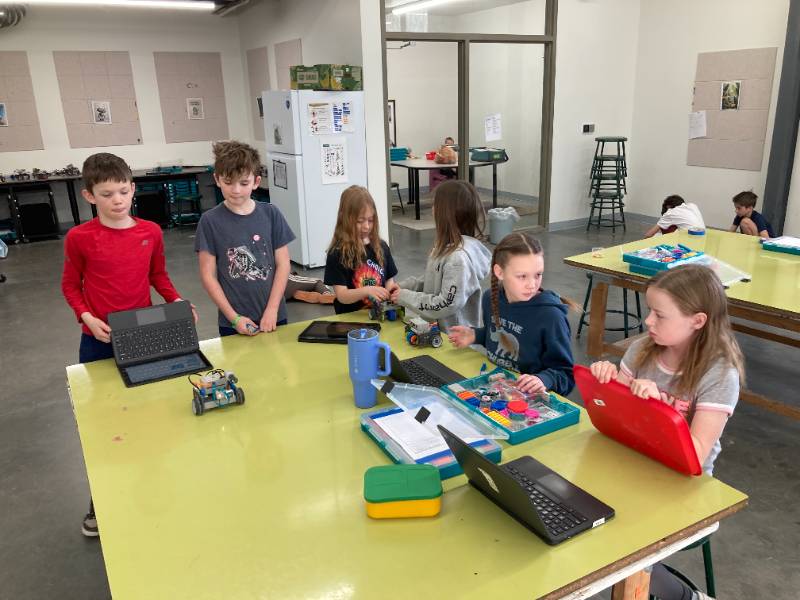
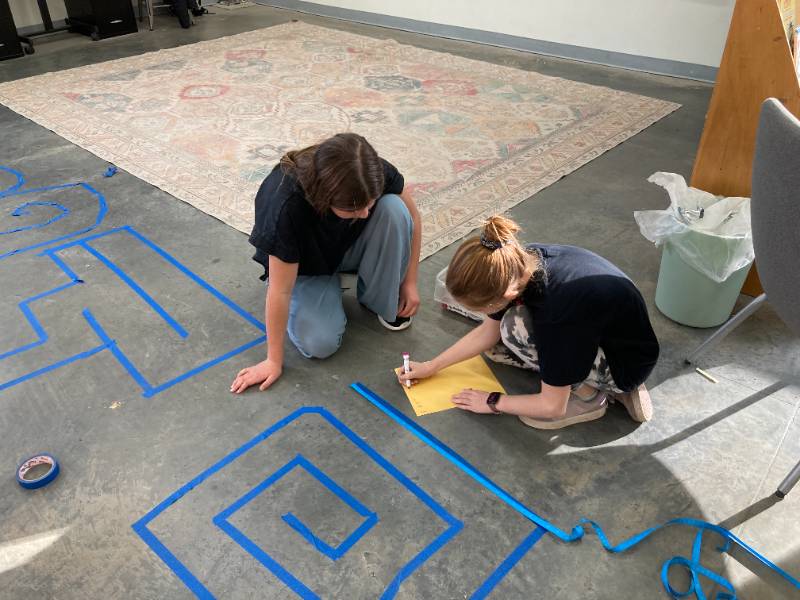
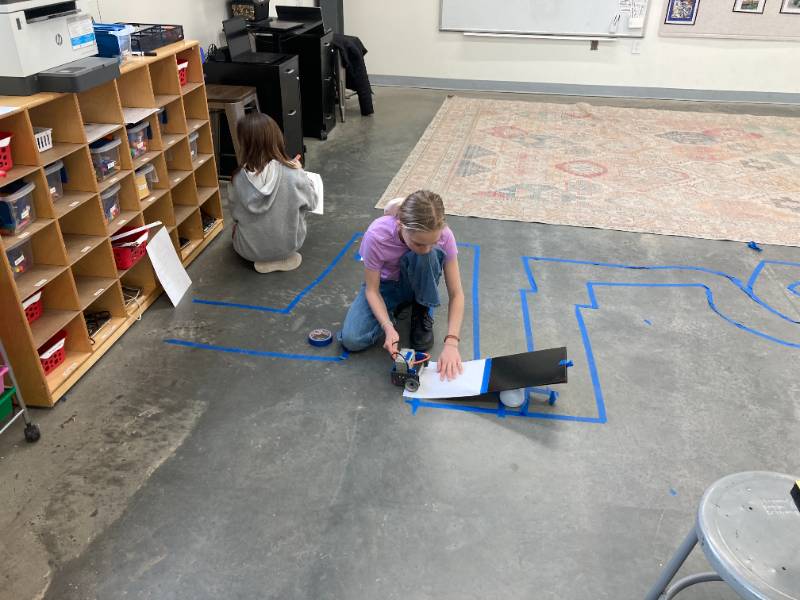
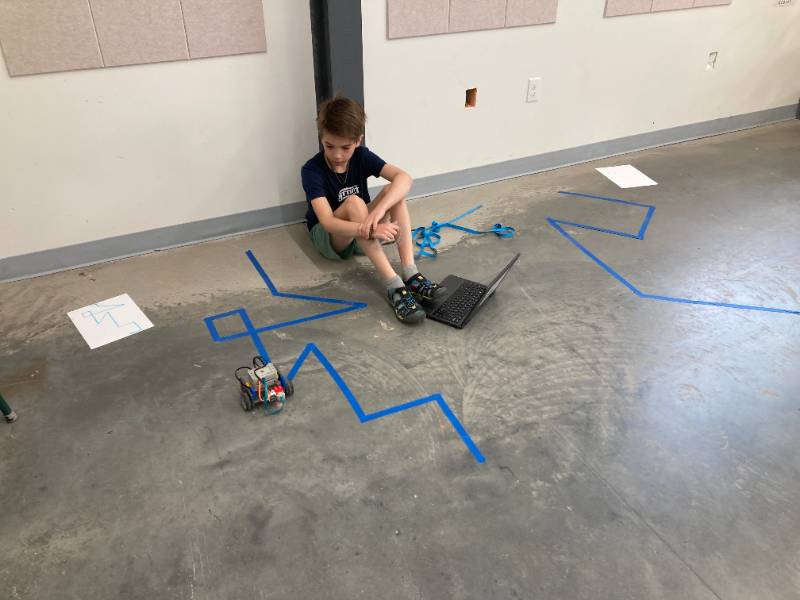
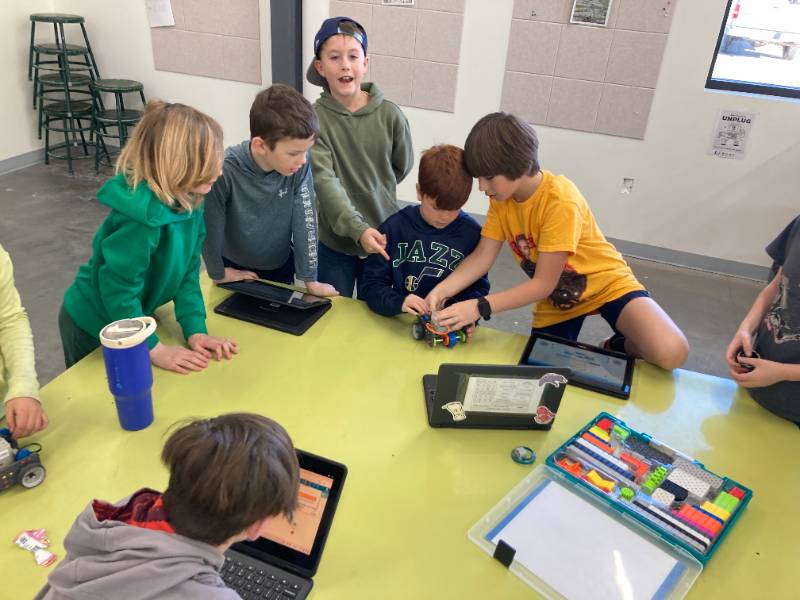
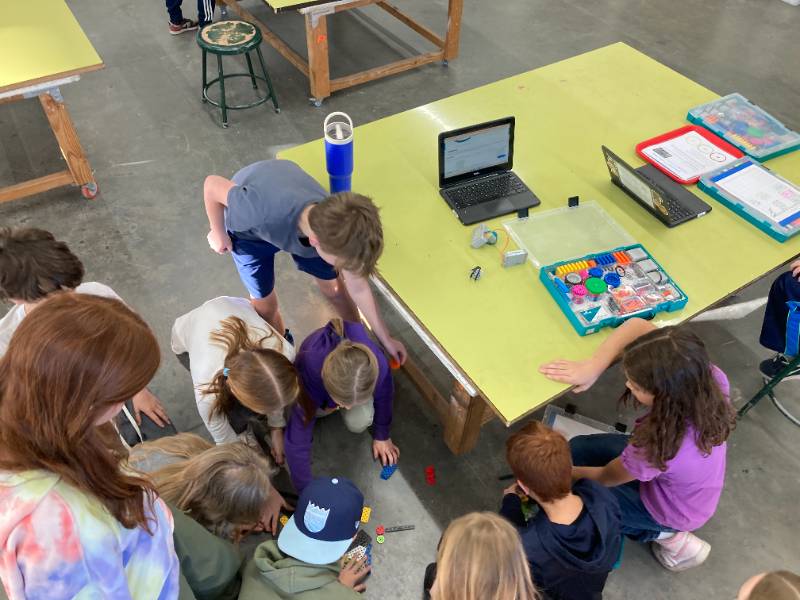
Week three of the VEX GO Coding & Robotics Quest brought a big shift: coding. Heroes designed taped courses for their robots and programmed them to follow the paths. Coding quickly revealed how important precision can be—one missing command or incorrect angle could send a robot completely off course.
One launch activity illustrated this perfectly. Heroes had to give the Guide (acting as a robot) step-by-step instructions for making a peanut butter and jelly sandwich. Without precise instructions, peanut butter ended up on the bread bag—and even on the Guide’s arms! The lesson became clear: robots do exactly what you tell them, not what you meant to say.
Heroes continued practicing by giving each other “code” instructions for everyday tasks like walking or reading a book. It didn’t take long to see that vague instructions might lead a “robot” straight into a tree or off a curb. Many heroes began asking friends to check their code as a second set of eyes, building collaboration along with coding skills.
Some heroes explored deeper challenges by programming robots to use electromagnets to pick up and drop objects or by coding robots to react to different colors detected along their path. But when asked about their session goals—especially earning their badge—the answer often returned to the same idea: finish the next challenge first… just do it.
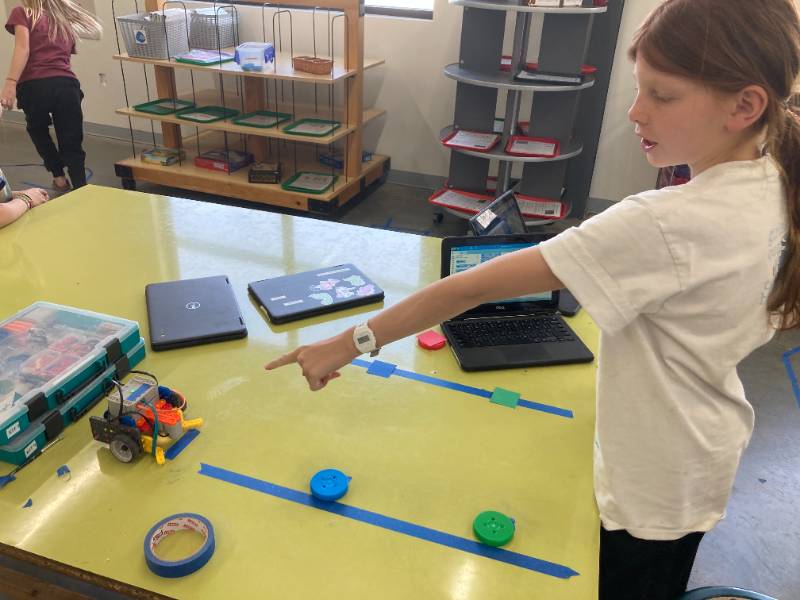
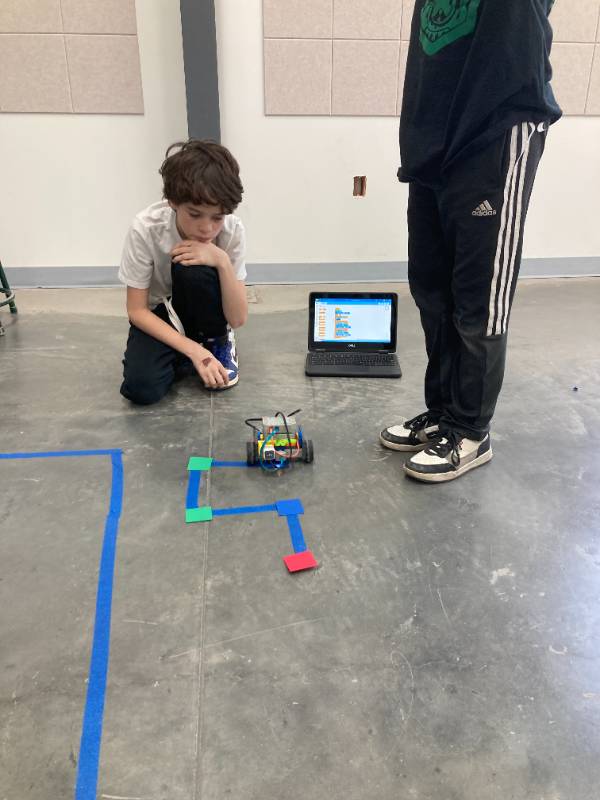
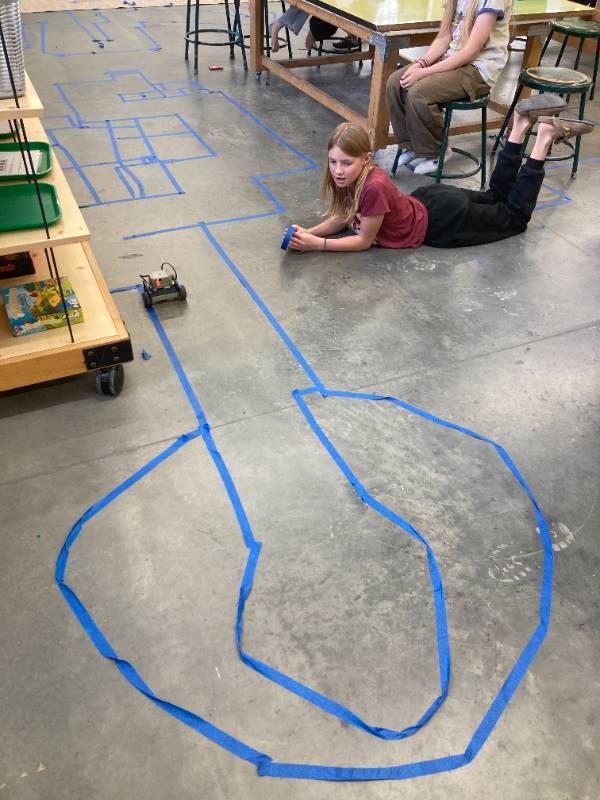
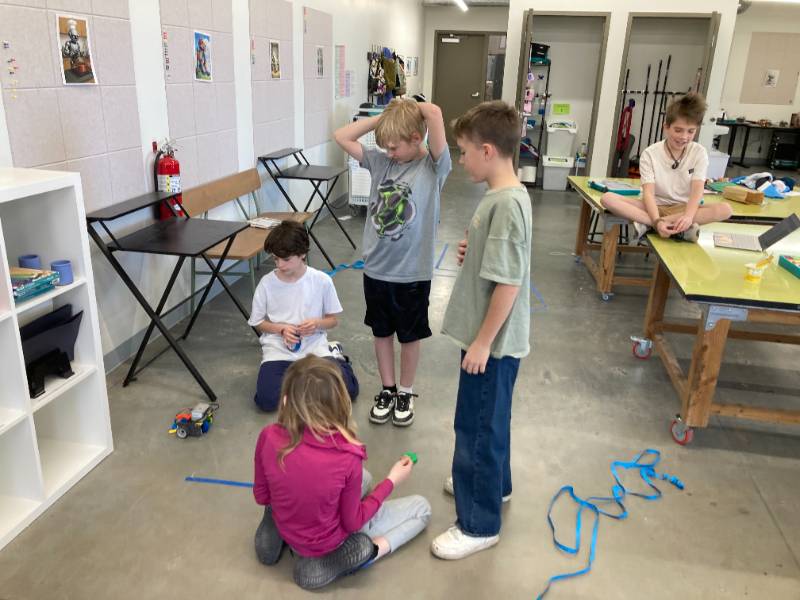
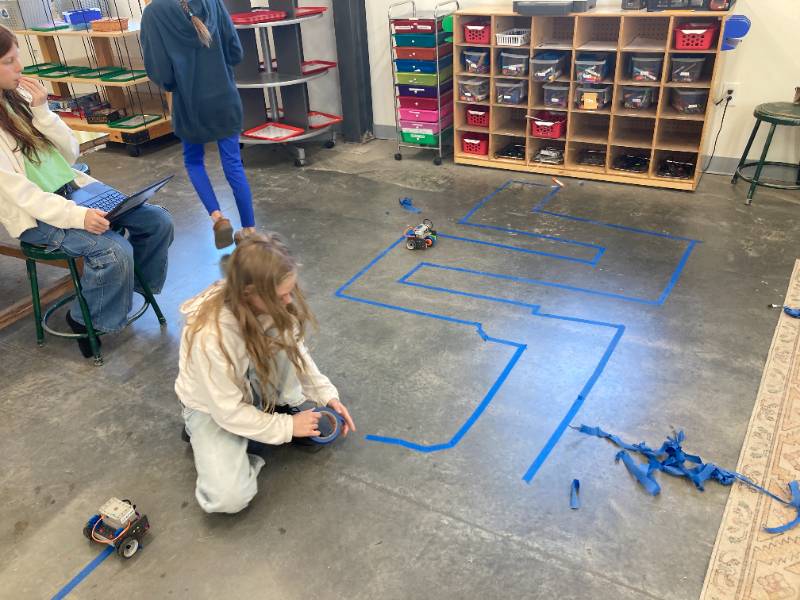
Interestingly, many younger heroes initially found coding difficult. It requires reading carefully, thinking step-by-step, and sometimes even using tools like protractors to calculate angles. What started as a “Just Do It” challenge slowly turned into an “I’m Lovin’ It” experience as they began recognizing patterns and working more independently.
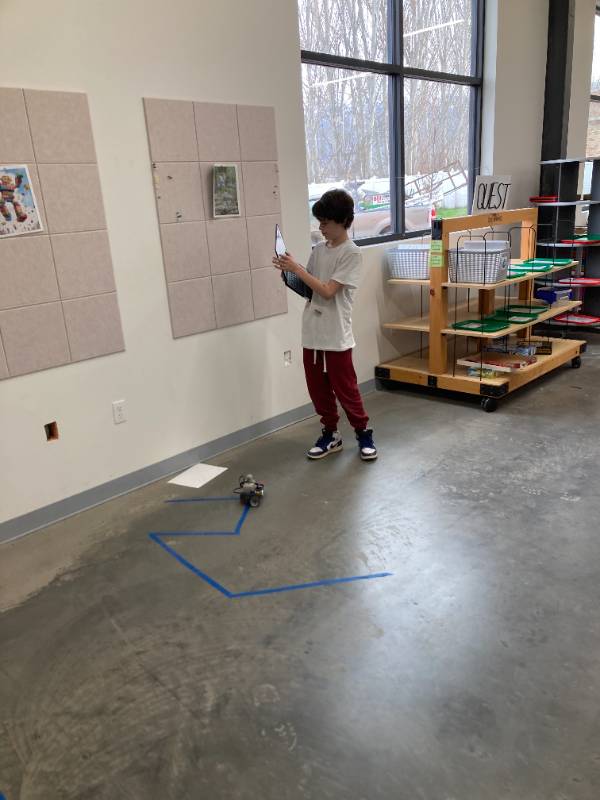
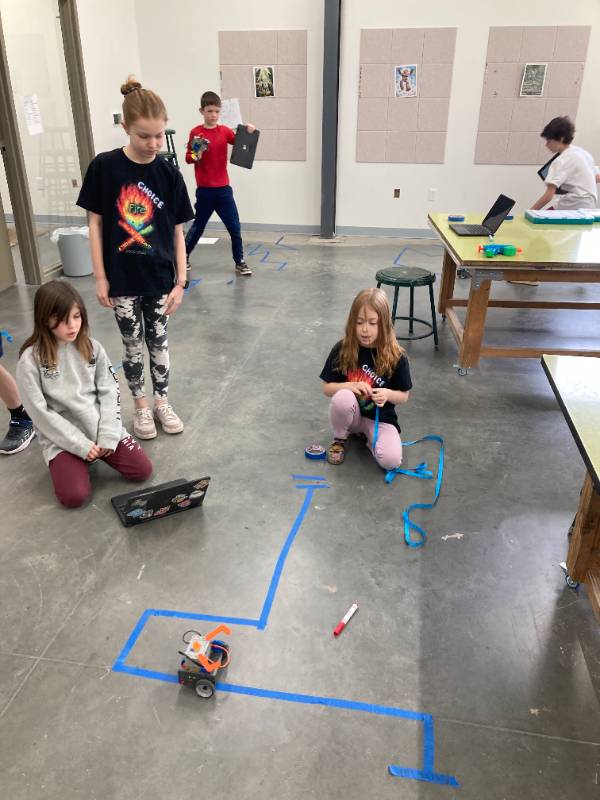
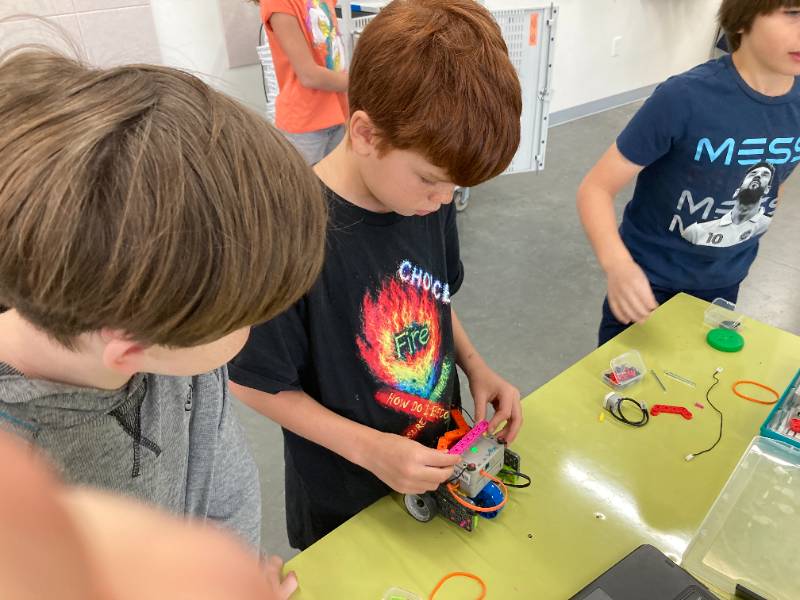
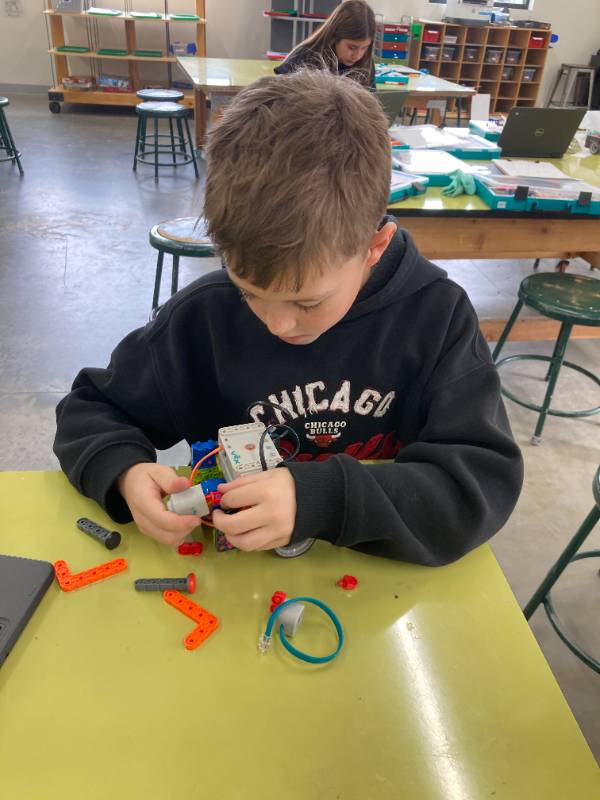
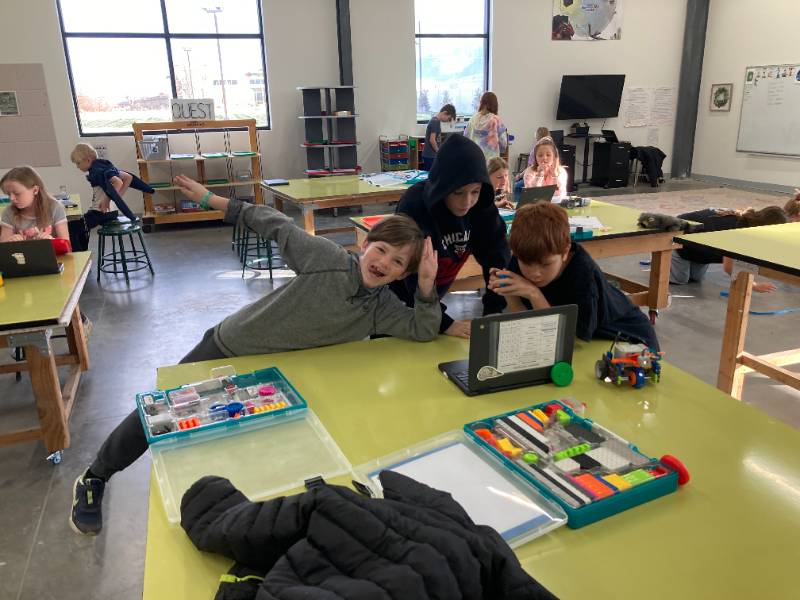
At the same time, some heroes began with the opposite assumption—thinking coding would be easy. Once they began writing actual code, they realized it required more patience and attention than expected. Their excitement turned into determination, proving that learning often moves back and forth between joy and perseverance.
In the DELTA STUDIO
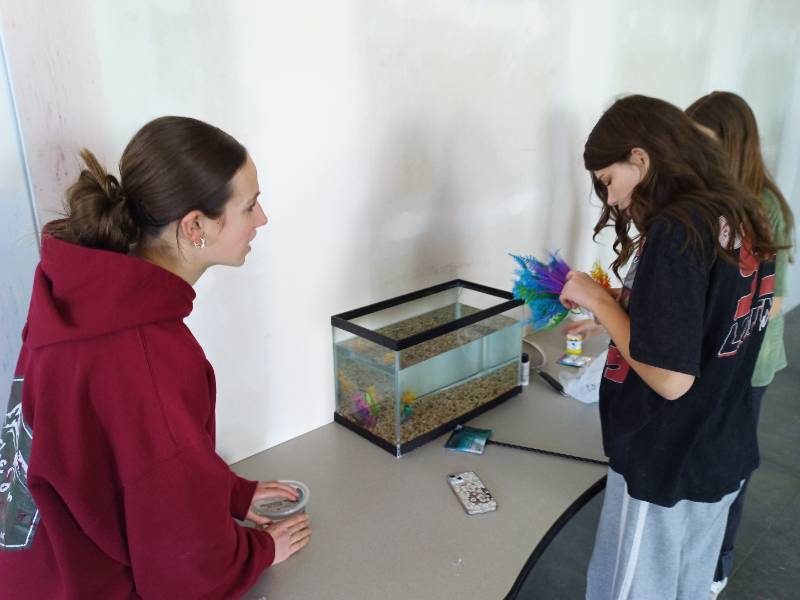
Quest projects in Delta Studio continue to bring exciting progress. The marine biology team added a Betta fish and supplies to their project, and so far their new aquatic friend is doing well. Caring for a living creature certainly includes some “Just Do It” responsibilities, but it’s clear the heroes are loving the experience.
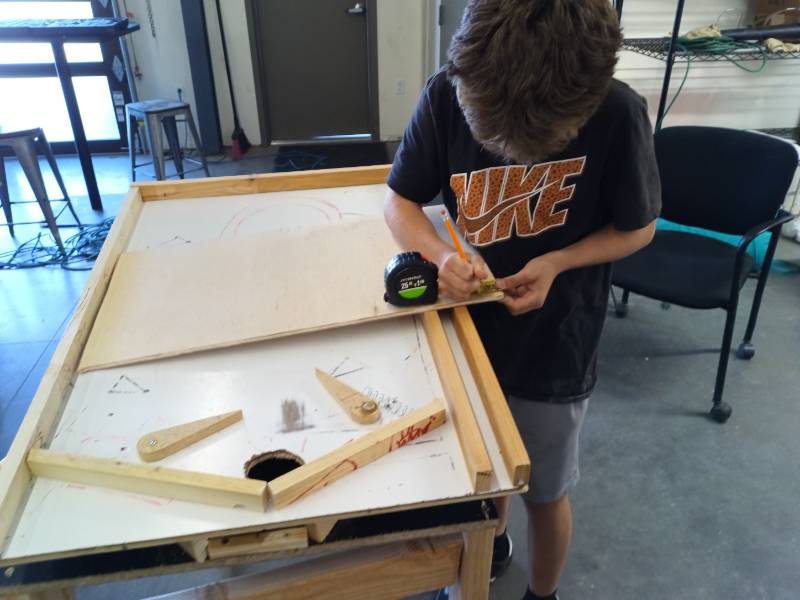
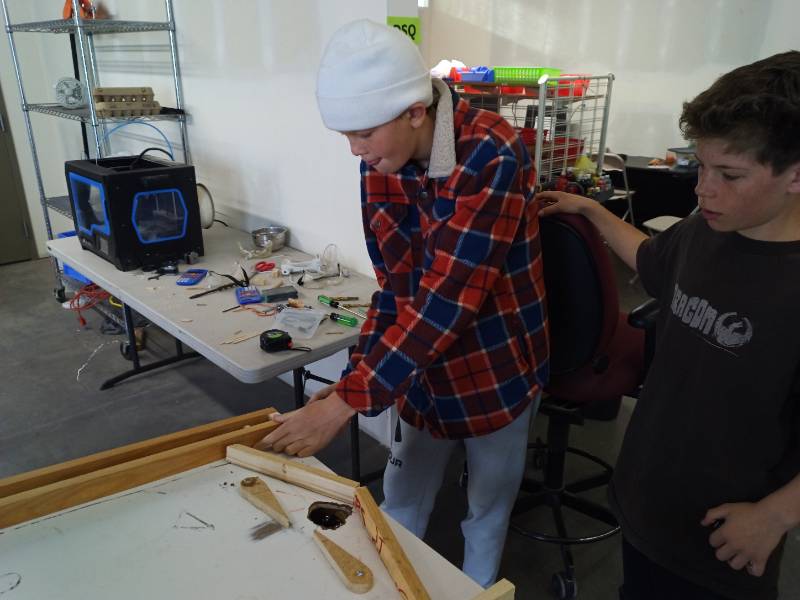
The pinball machine group reached an exciting milestone this week when their launcher finally started working. After plenty of troubleshooting and iteration, seeing the mechanism function properly was a satisfying moment.
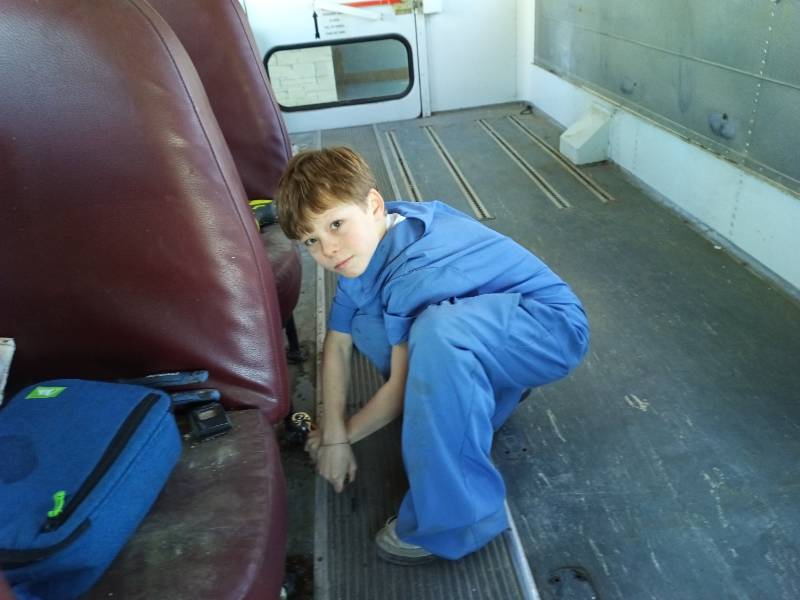
Another group continued the important—but less glamorous—task of cleaning out the interior of the bus they are renovating. The job is nearly finished, and while much of the work falls into the “Just Do It” category, it is a necessary step toward their larger vision.
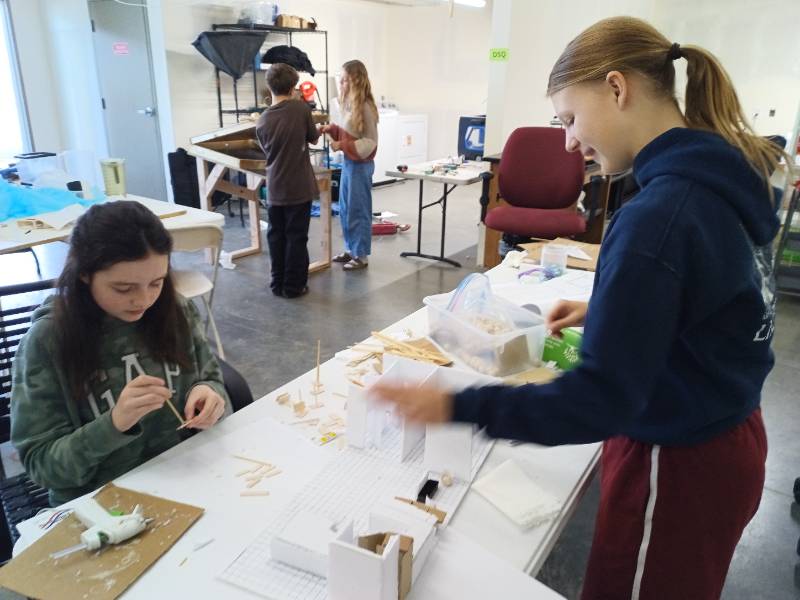
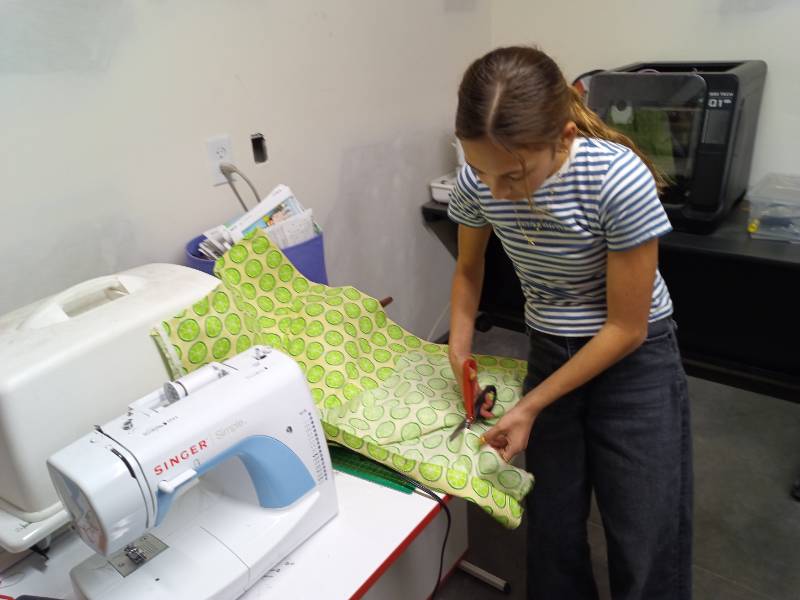
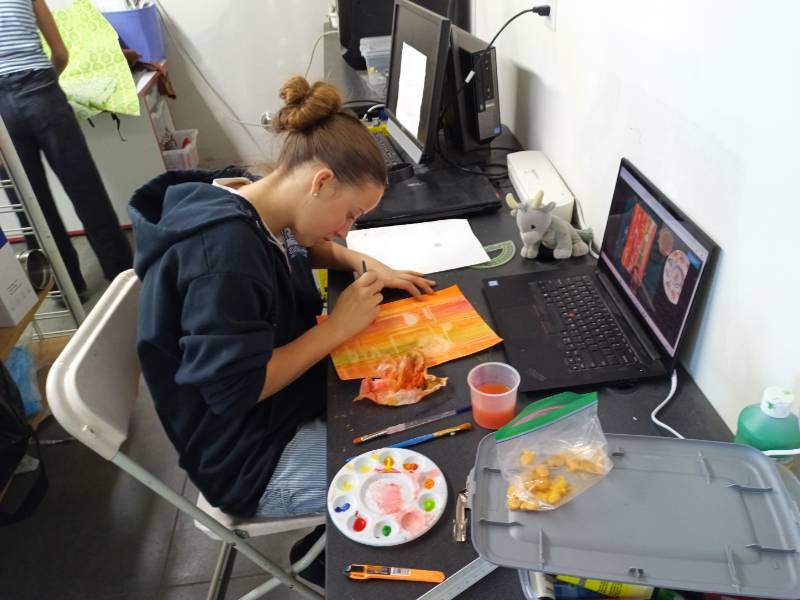
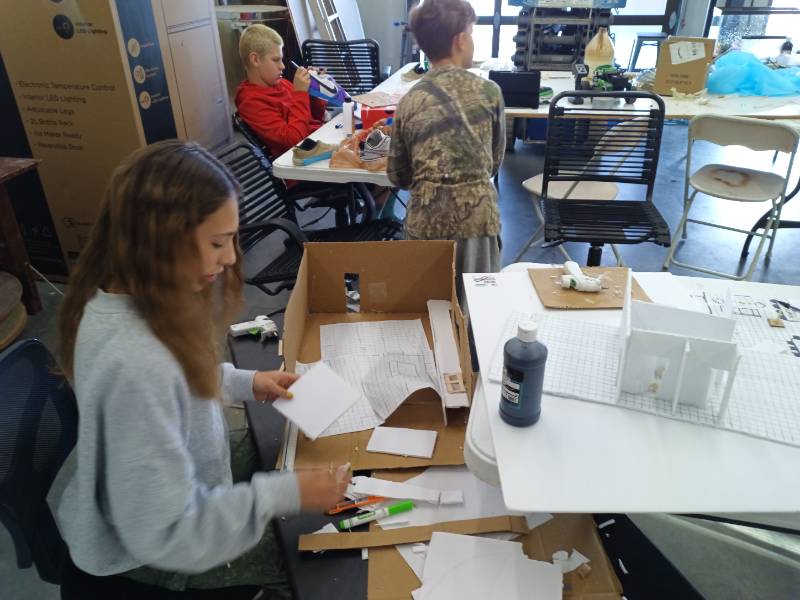
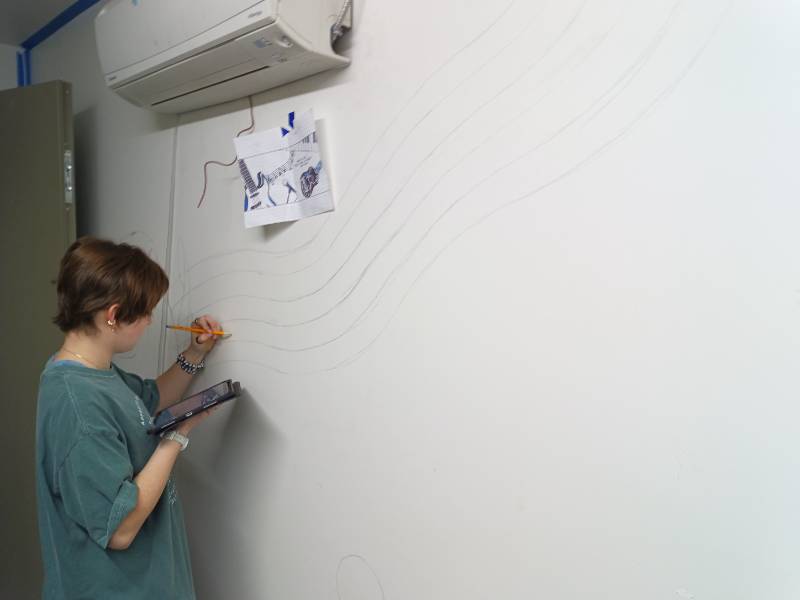
Across the studio, many other projects are taking shape as well. Bridge models are being constructed, interior design models are coming together, murals are being painted, and creative ideas are turning into real progress. The level of engagement across these quests is impressive.
Launches this week included a deceptively simple mathematical game called “15,” which turns out to connect to both magic squares and tic-tac-toe. Heroes also explored discussions about how the brain works and how things like social media can hijack our attention. Another launch introduced a loving kindness meditation, giving heroes a chance to slow down and reflect on kindness toward themselves and others. Still another Socratic discussion gave heroes the chance to practice the challenging parts of public speaking—avoiding filler words like “like” and “umm..” repeating what others said, and using metaphors. The practice led to lots of laughter while still strengthening important communication skills.
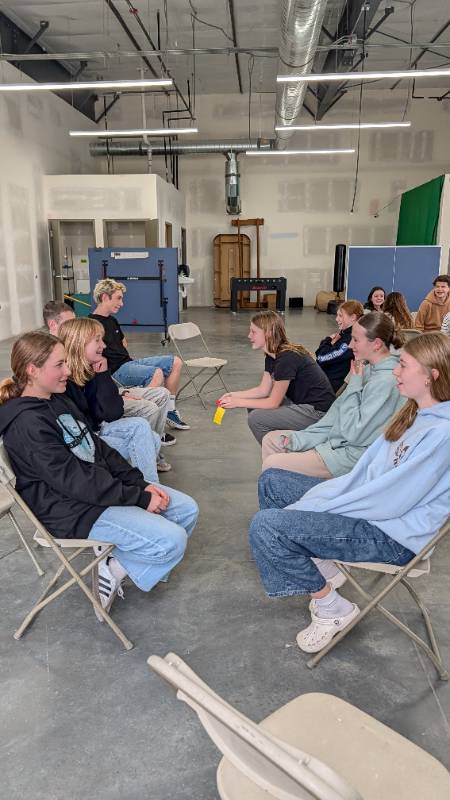
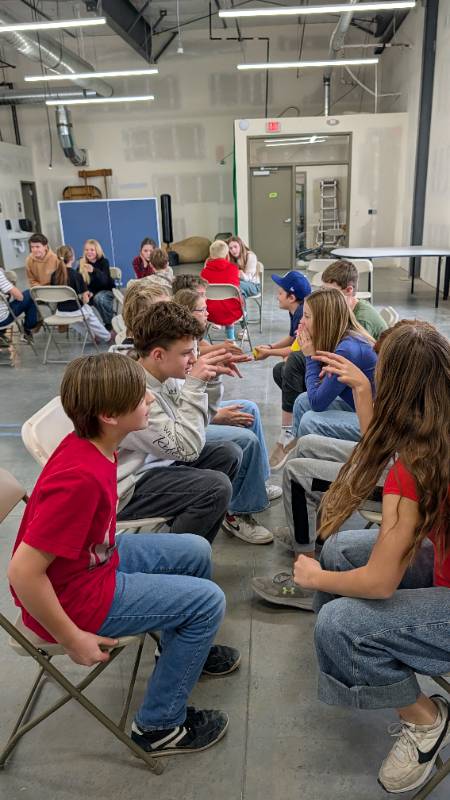
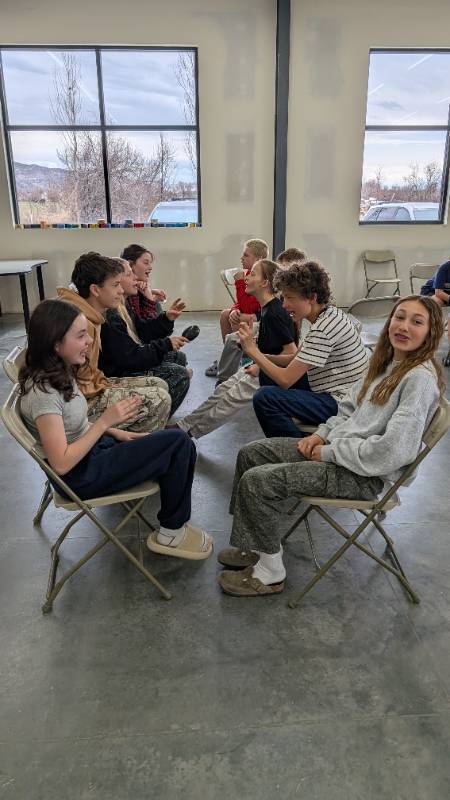
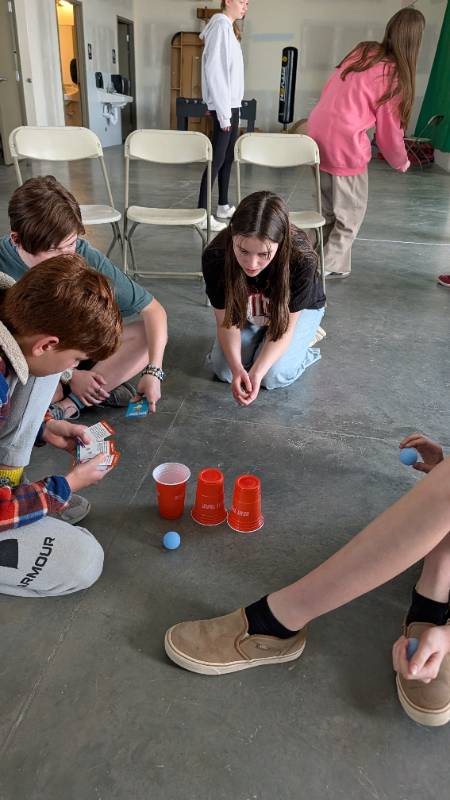
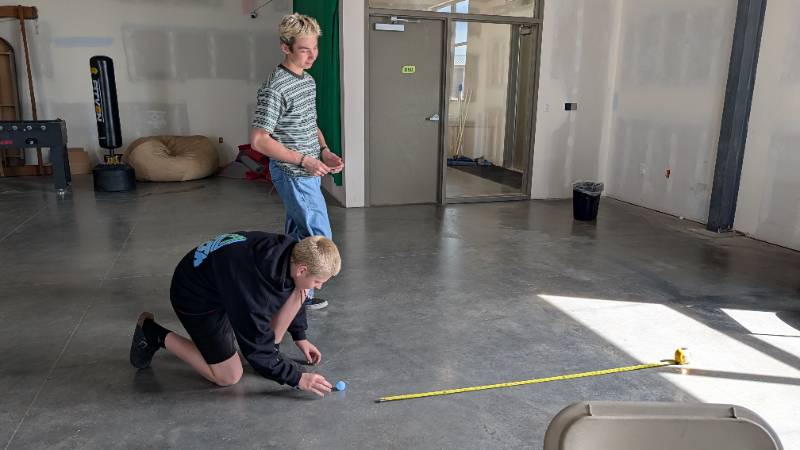
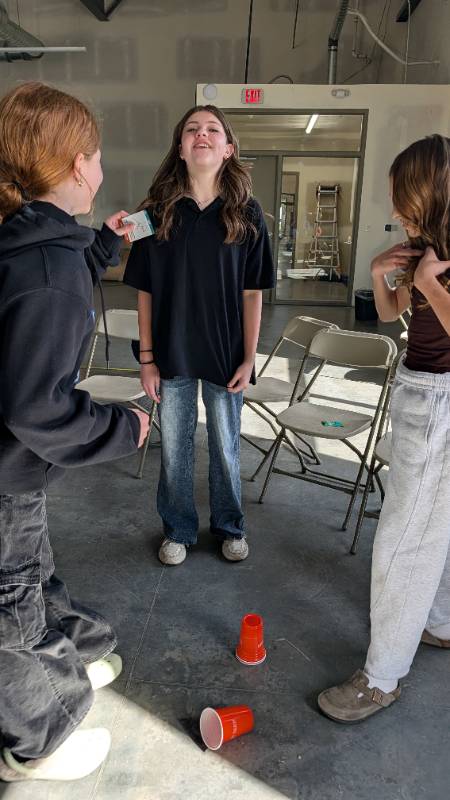
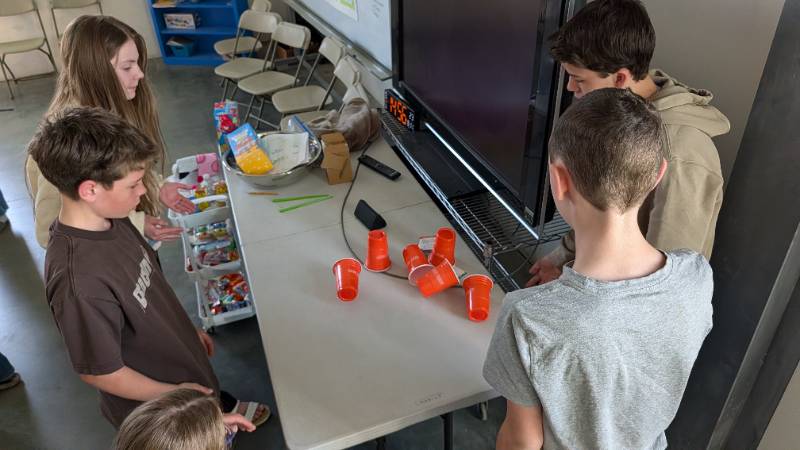
Tribe building games and school wide games continued strengthening camaraderie in the studio and school. Often a hero begins a game feeling like it’s something they have to do, but by the end the laughter and energy show just how quickly “Just Do It” can turn into “I’m Lovin’ It.”
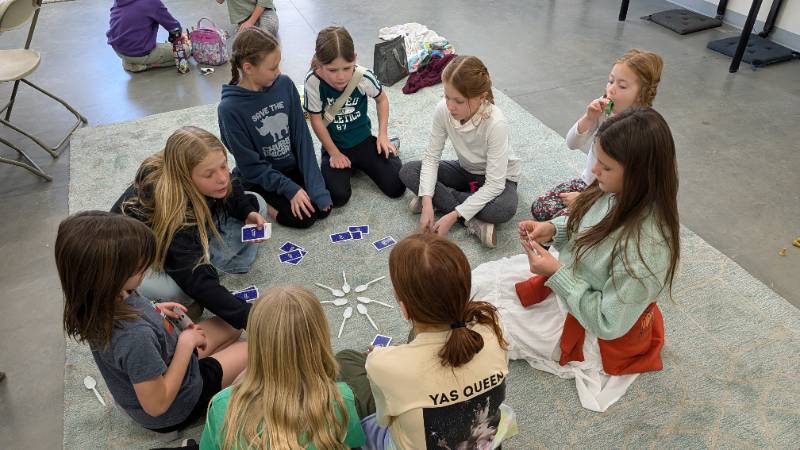

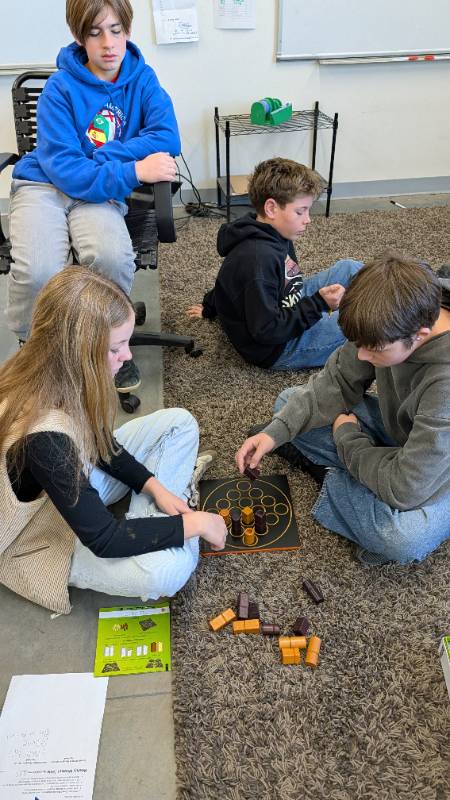
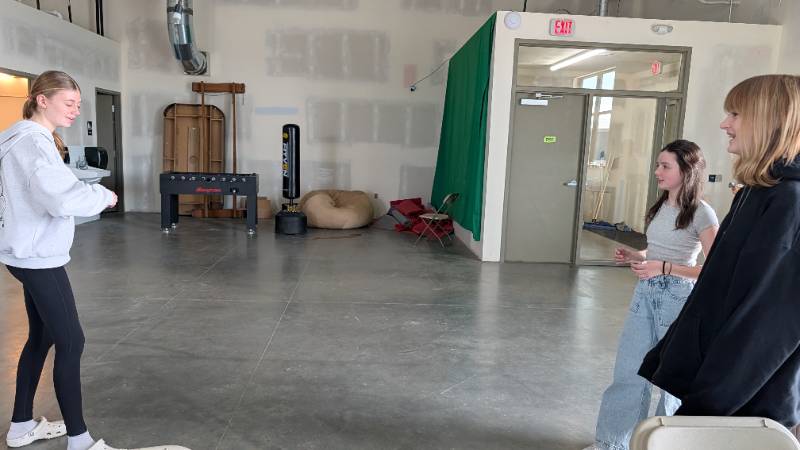
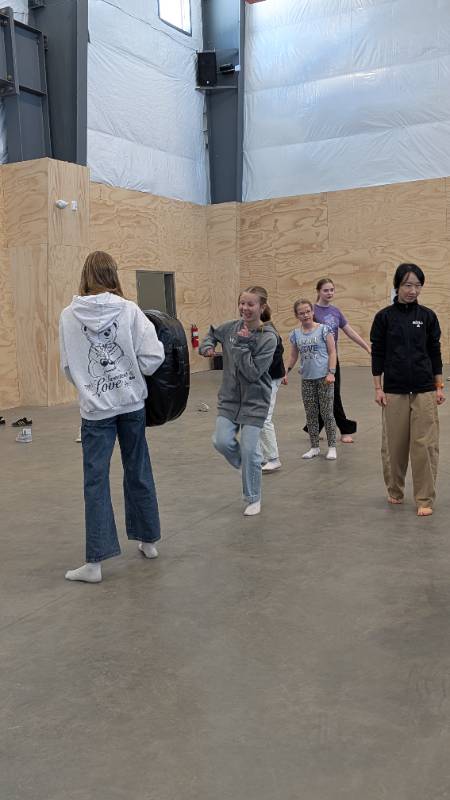
We saw that same shift during Tae Kwon Do. Some heroes were reluctant to step away from their work at first, but once they joined the activity, enthusiasm quickly grew. It’s one of the few times heroes line up in neat rows, yet the energy remains high.
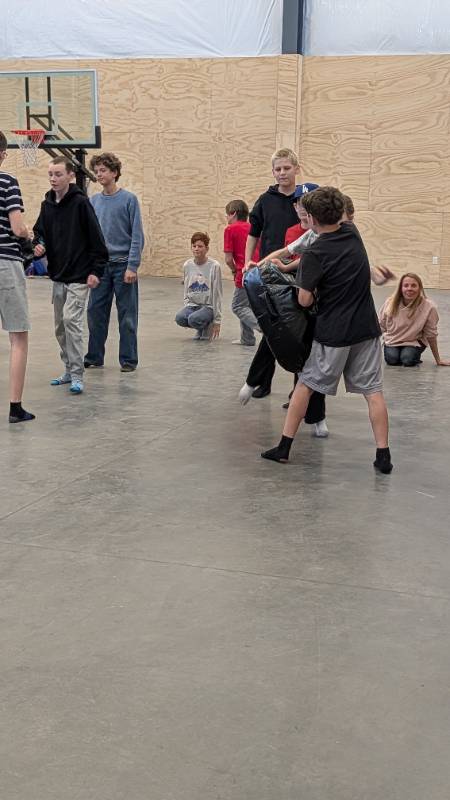
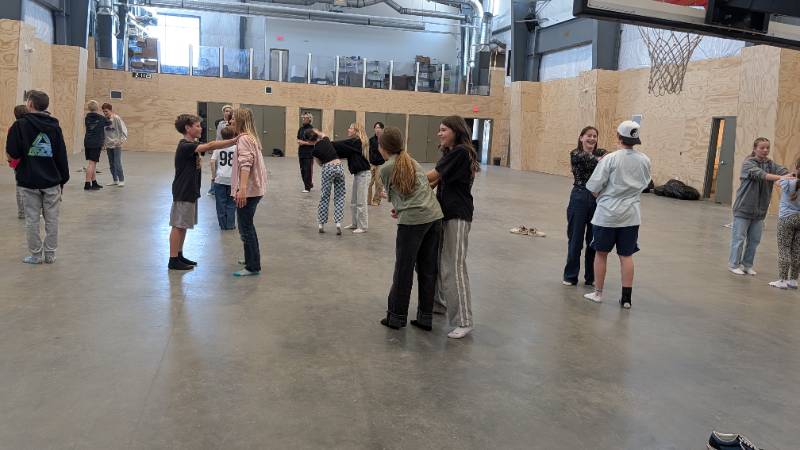
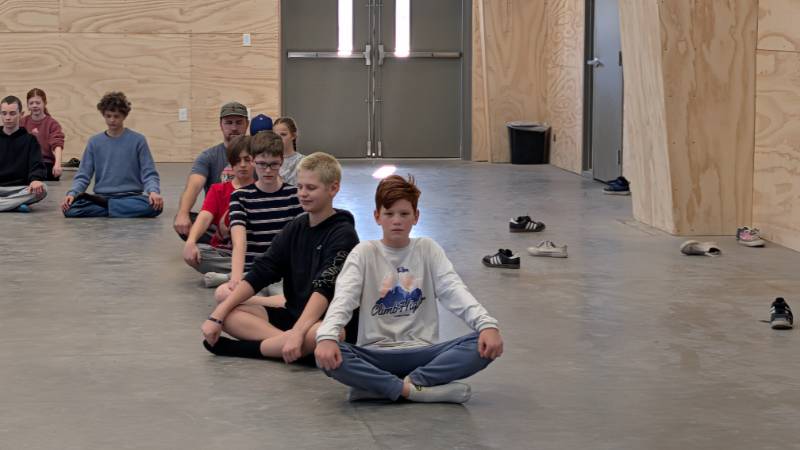
Across Sparks, Fire, and DELTA Studios this week, heroes experienced both sides of the session question. Sometimes the work begins with determination—Just Do It. Other times, curiosity and joy lead the way—I’m Lovin’ It. Most often, learning moves back and forth between the two. When heroes are willing to start, push through challenges, and stay curious, they often discover that the hard things they once resisted can become the very things they love doing, or they learn to find the joy in doing hard things!